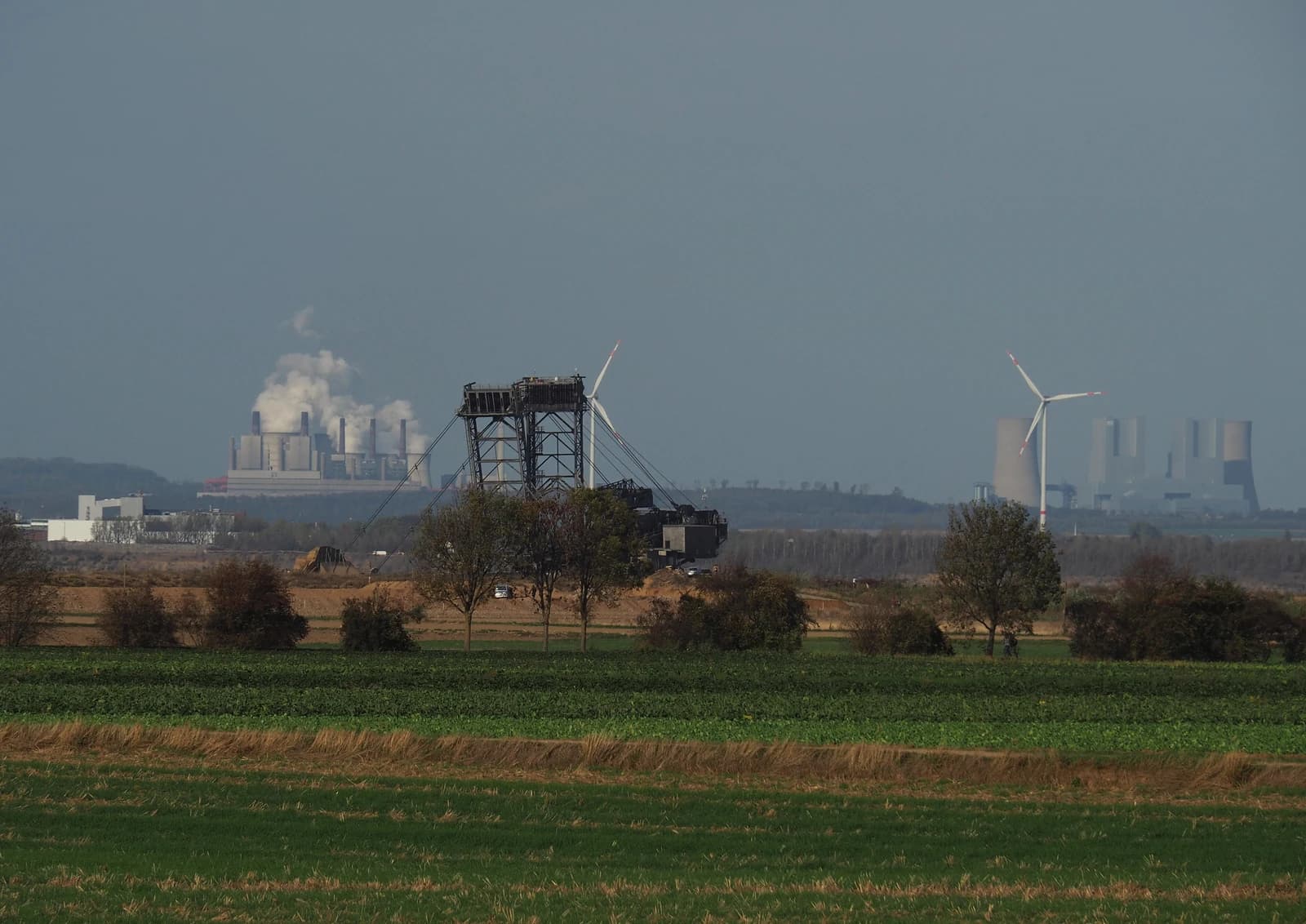
Coal is no longer an automatic exclusion for investors chasing returns, and Glencore’s recent share gains suggest the market is rewarding miners that can turn politically unpopular commodities into free cash flow.
Glencore Shares Rise as Coal Gains Investor Favor
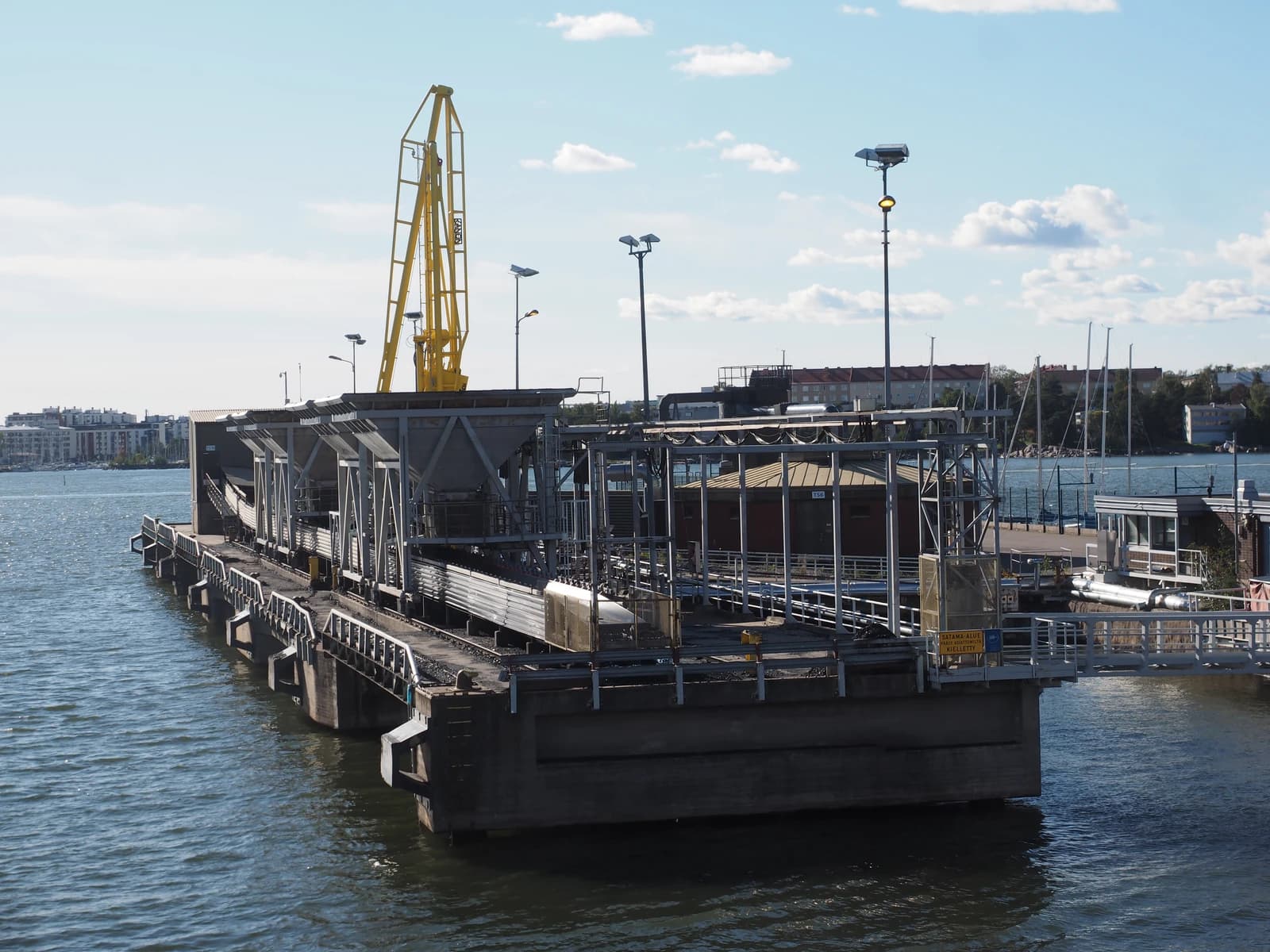
That shift matters because coal still sits at the intersection of three big forces: energy security, industrial demand and investor discipline. As long as governments and utilities keep needing reliable baseload supply — and as long as miners can generate outsized margins from scarce production — “transition” portfolios are finding room for assets they once pledged to avoid.

Glencore, one of the biggest listed coal producers, has outperformed much of the wider market in 2026 even as the company continues to sit at the center of the sustainability debate. Its London-listed shares closed at 584.6 pence on Oct. 9, up roughly 7% from the start of the month and well above the 538.5 pence level implied by the 200-day moving average. The stock is also trading above its 50-day average of 574.5 pence, a sign that the recent rebound has not been just a one-day trade. The US-listed ADR has followed a similar path, rising to $15.48, extending a recovery from the low-$13 area in late July.
The move reflects a broader recalibration among institutional investors. Coal has remained one of the most controversial pockets of the resources sector, but it has also been one of the most profitable when prices are firm and supply growth is constrained. For pragmatic fund managers, the key question is no longer whether coal fits a marketing slogan — it is whether it can still produce cash, dividends and buybacks while competitors shy away.
That helps explain why resource stocks with exposure to coal and related energy markets have held up better than many clean-energy names this year. The S&P energy sector ETF, XLE, has climbed to $65.08 from $42.60 in mid-December, underscoring how investors have continued to favor old-economy cash generators over more speculative growth stories. In Europe, Glencore’s own price action has mirrored that pattern, with the stock recovering sharply from a summer dip and now trading just below recent highs.
The economics are straightforward. Coal remains essential for steelmaking and, in some markets, for electricity generation. While long-term decarbonization policies continue to pressure the industry, near-term demand is still being shaped by supply reliability, geopolitics and the pace of substitution. That creates a dilemma for asset allocators: coal is a drag on environmental credentials, but it can be a useful hedge against energy shortages and commodity inflation.
The bull case is that the sector is still under-owned, capital discipline is improving and cash flows can remain robust even if prices are not at extreme levels. The bear case is that coal’s investability is being driven more by a cyclical shortage than by durable fundamentals, making the trade vulnerable once supply catches up or policy pressure intensifies. Technical readings on Glencore’s shares also suggest the market is not giving a blank cheque: its relative strength index has moved into overbought territory, which can make the stock vulnerable to profit-taking after a strong run.
For investors, the bigger takeaway is that the fossil-fuel exclusion trade is getting more selective. Coal may still be a reputational problem, but in a world of volatile power markets and stubborn industrial demand, it has become an acceptable source of return for investors willing to separate ethics from economics.
The next catalyst will be whether miners can keep converting high prices into shareholder distributions without triggering fresh pushback from ESG-focused funds or policymakers. If cash generation holds, coal may continue to earn its uneasy place in portfolios that are otherwise trying to decarbonize.
| Entity | Gains | Losses |
|---|---|---|
| Glencore | ▲Higher share price, cash flow appeal | ▼ESG scrutiny |
| Coal investors | ▲Stronger returns, portfolio diversification | ▼Reputational risk |
| Utilities/industry buyers | ▲Supply security | ▼Higher fuel costs |
| Clean-energy purists | ▲N/A | ▼Capital flows to fossil fuels |