Gold has dropped 25.6% this year in local terms, a slide that underscores how quickly one of the market’s most defensive assets can unwind when the dollar strengthens and real yields bite.
Gold Falls 25.6% as Dollar and Yields Rise

The Central Bank said a gram of gold was worth 226.76 manats on Monday, down about 78 manats from roughly 305 manats at the end of January. Retail jewellery prices have also softened, with popular 585-karat items falling to about 165 manats a gram from 195 manats in January, a decline of nearly 15%.
That matters economically because gold prices feed directly into household wealth, jewellery demand and import costs in markets where gold is used both as adornment and as a store of value. A drop of this size eases costs for buyers and retailers, but it also signals weaker pricing power for sellers and a loss of capital gains for savers who bought near the start of the year.
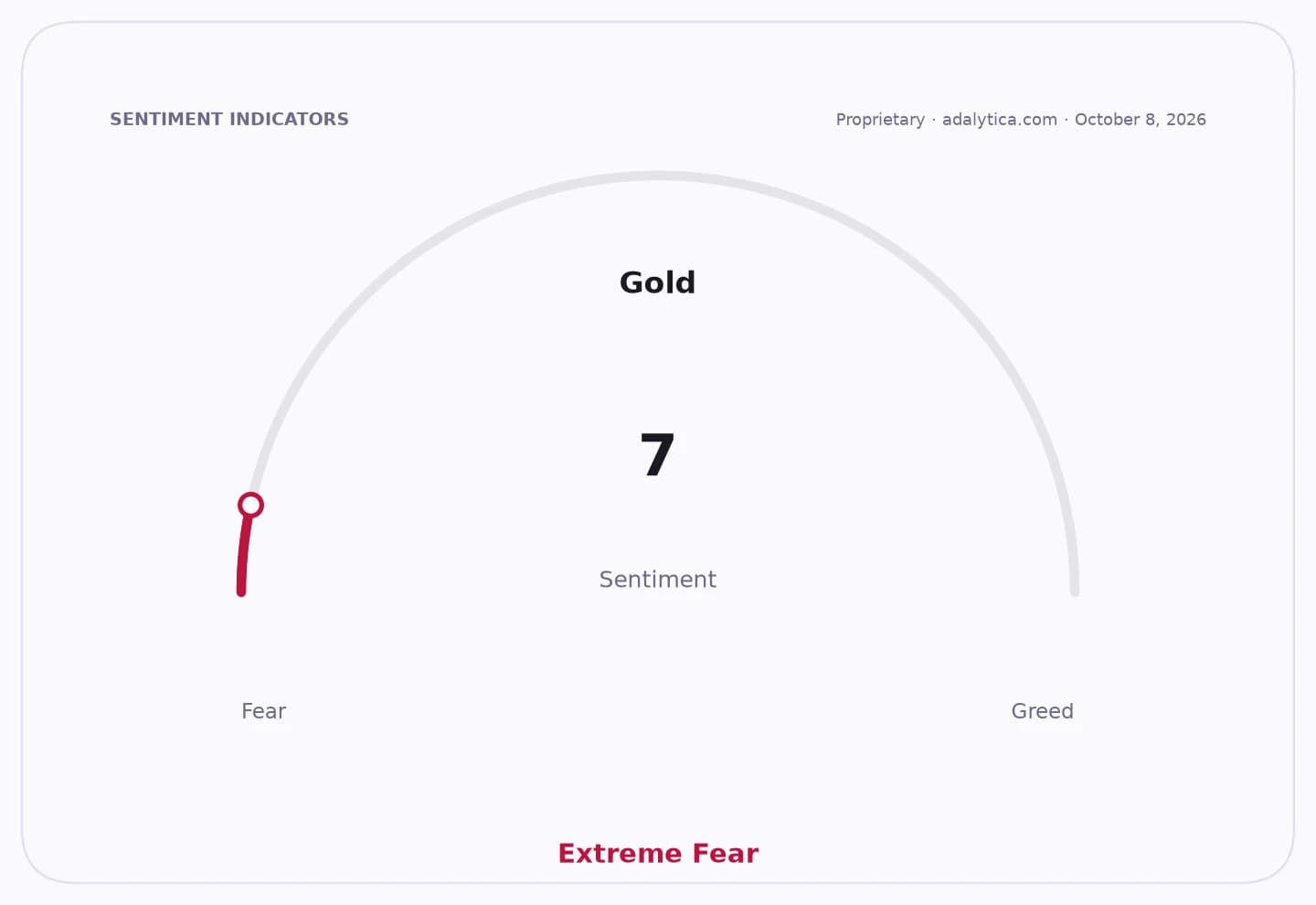
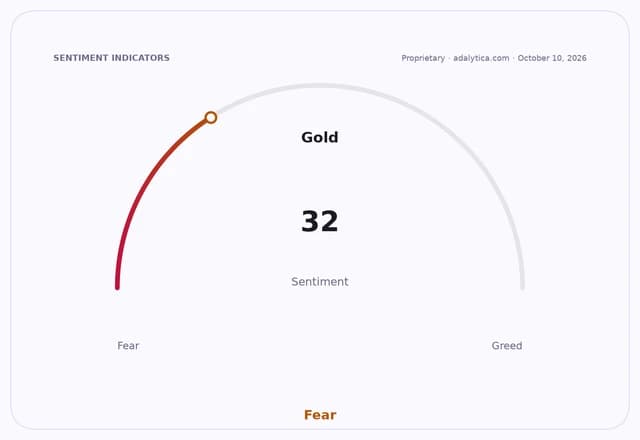
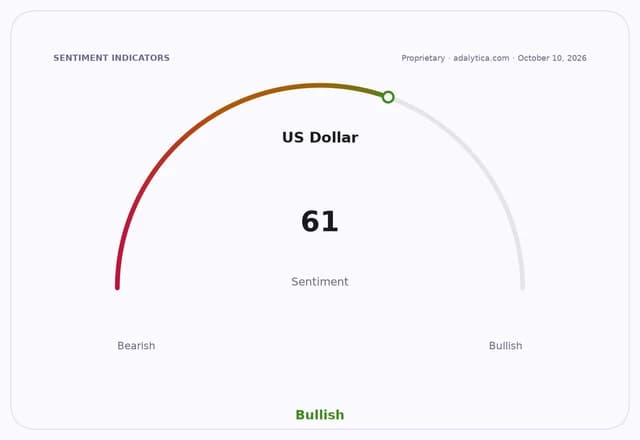
The move also reflects a broader shift in global precious-metals markets. Gold’s retreat has come alongside a stronger US dollar and firmer Treasury yields, which raise the opportunity cost of holding a non-yielding asset. Adalytica’s Gold Fear & Greed Index currently shows sentiment at 32, in neutral territory, even after a sharp 30-day swing lower, suggesting the market has moved away from the exuberance that typically supports higher bullion prices.
Exchange-traded funds and miners have felt the pressure too. The SPDR Gold Shares ETF, which tracks bullion, recently traded at $384.58 after falling as low as $375.88 this week, still below its 50-day moving average of about $397 and well under its 200-day average near $416. The VanEck Gold Miners ETF has also weakened, closing at 89.28 after briefly dipping below 86, while technical readings such as RSI near 40 point to a market that has cooled from earlier overbought levels.
For investors, the key question is whether this is a correction inside a longer bull market or the start of a broader de-rating in precious metals. The bull case is that any renewed rate-cut expectations, dollar softness or geopolitical stress could bring back safe-haven demand quickly. The bear case is that if real yields stay elevated and the dollar remains firm, gold’s year-to-date losses could deepen and miners may underperform the metal itself.
For now, the narrative is straightforward: gold has gone from being a crowded hedge to a pressured trade, and the size of the decline is large enough to matter for households, jewellers, miners and portfolio managers alike.
| Entity | Gains | Losses |
|---|---|---|
| Jewellery buyers | ▲Lower input costs | ▼Less urgency to hedge |
| Retail jewellers | ▲Cheaper restocking | ▼Lower inventory value |
| Gold buyers/savers | ▲Better entry levels | ▼Year-to-date losses for holders |
| Gold miners/ETF holders | ▲Potential rebound if rates fall | ▼Margin and price pressure |