Gold’s surge above $4,000 an ounce is pushing Oman’s retail market to fresh highs, raising the cost of bullion, jewelry and safe-haven exposure at a time when investors are still treating the metal as a hedge against macro uncertainty.
Gold Above $4,000 Raises Oman Retail Prices
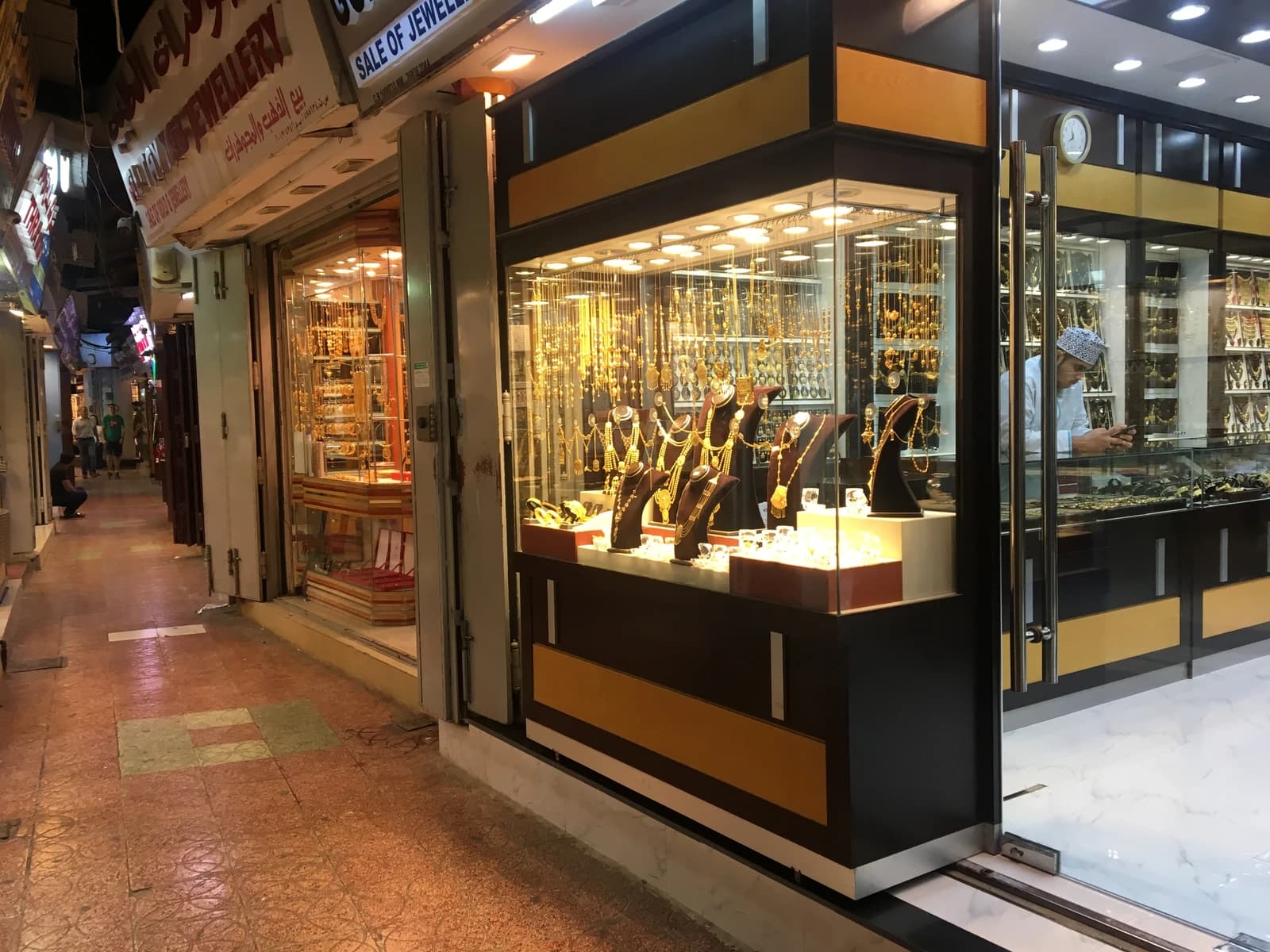
In Oman, the latest indicative price for 24-karat gold reached 49.967 Omani rials a gram, while 22-karat rose to 45.803 rials, 21-karat to 43.721 rials and 18-karat to 37.475 rials, according to local pricing data. The local ounce price stood at 1,554.133 rials, and a gold pound of 8 grams in 21-karat was quoted at 349.766 rials, before workmanship and tax.
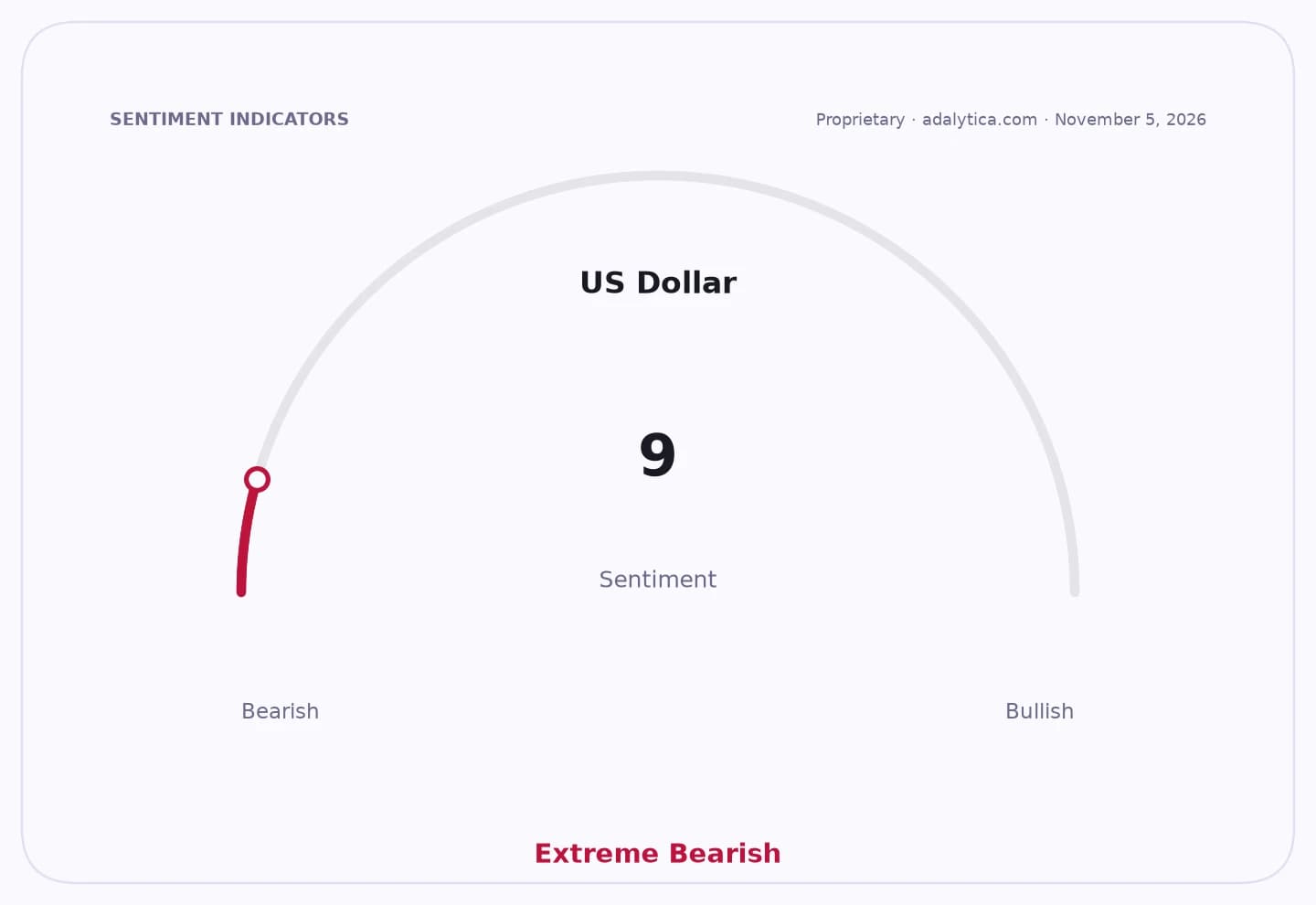
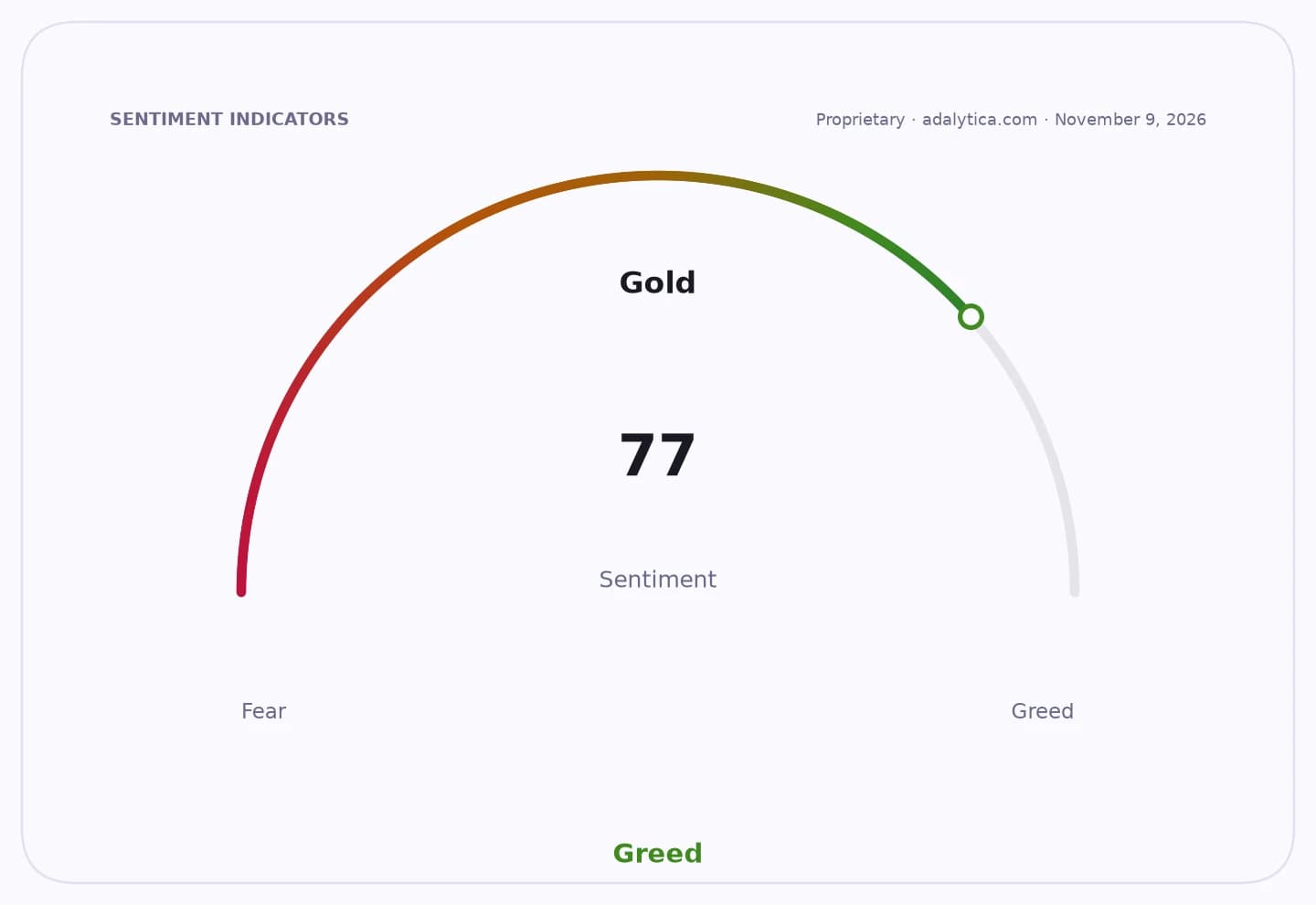
Sentiment Indicators
The move matters because Oman’s gold market is effectively importing the global rally straight into household and retail spending decisions. When international bullion crosses a psychologically important level such as $4,000 an ounce, local prices follow quickly, tightening affordability for buyers while boosting the value of existing holdings. That dynamic can support margins for sellers and traders, but it can also cool physical demand if consumers wait for a pullback.
For investors, the message is bigger than a single day’s price move. Gold remains one of the clearest beneficiaries of a world marked by sticky geopolitical risk, policy uncertainty and persistent demand for real assets. The metal’s strength also keeps the focus on miners and gold-backed funds, which remain leveraged ways to express that view. GLD, the SPDR Gold Shares ETF, and miners such as Newmont and Gold Fields have both had sharp swings, underscoring how quickly sentiment can shift even while the structural bull case stays intact.
Technically, GLD is still below its 200-day moving average even after the recent rebound, which suggests the market has not fully rebuilt a sustained trend despite the new price highs in bullion. Yet that may be exactly where the opportunity lies: the market often waits for confirmation long after the commodity has already repriced the macro story. If gold holds above $4,000, the next leg is likely to favor producers, royalty names and bullion-linked vehicles before the broader market fully adjusts.
For now, Oman’s price board is a clean read on the global trade: gold is expensive, demand is being tested, and investors who want exposure to the next leg of the cycle may still be early. The asymmetric play is to stay positioned in the metal and the highest-quality miners rather than chase retail jewelry demand after the move.
| Entity | Gains | Losses |
|---|---|---|
| Gold holders | ▲Higher asset values | ▼None |
| Omani jewelry buyers | ▲— | ▼Higher retail costs |
| Gold miners/ETFs | ▲Improved revenue leverage | ▼Volatility risk |
| Physical dealers | ▲Wider turnover value | ▼Softer demand if prices stay high |