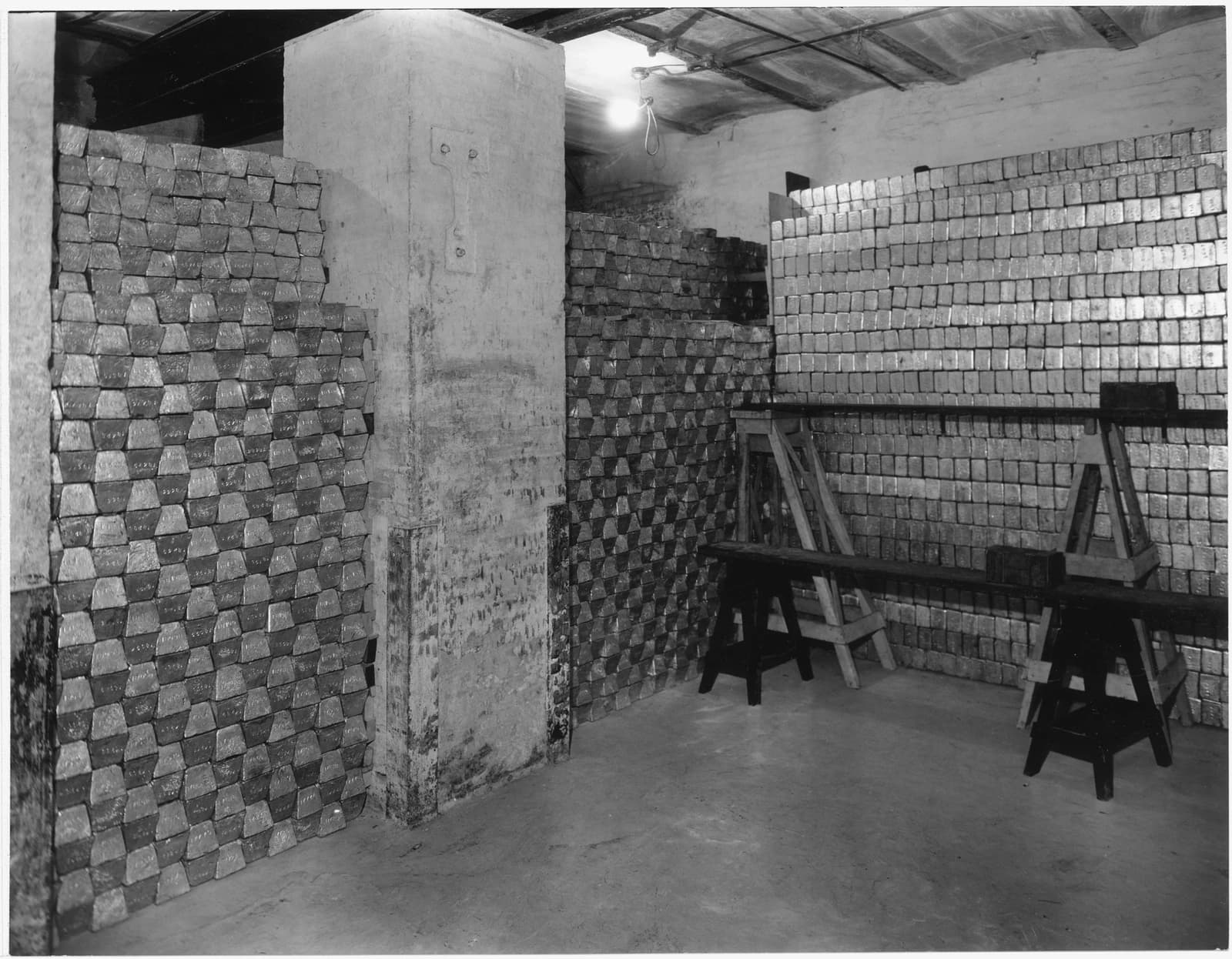
Gold is slipping in several Arab retail markets even as the global metal rose 2%, a reminder that local currency pricing, dealer spreads and immediate consumer demand can matter as much as the headline move in international bullion.
Gold Prices Fall in Saudi Arabia, UAE Retail Markets
That divergence matters because gold is not just a global safe-haven asset; in the Gulf and across the Arab world it is also a consumer product, a wedding purchase and a store of savings. When local prices fall while international benchmarks are stronger, it can signal that domestic buyers are holding back, retailers are adjusting inventories or exchange-rate and pricing dynamics are overpowering the broader rally.
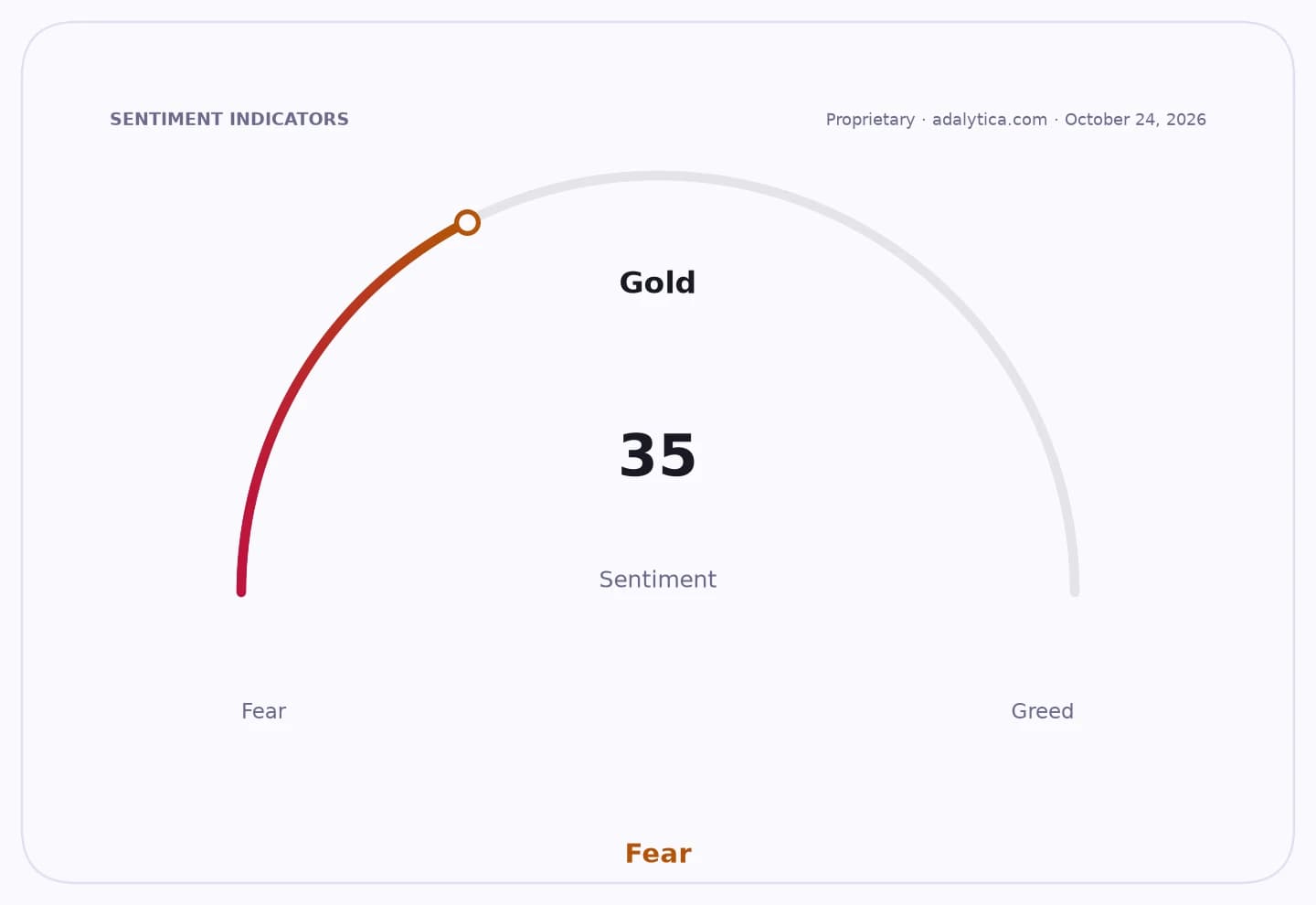
Sentiment IndicatorsⓘProprietary · adalytica.com · October 24, 2026
This is a snapshot — live sentiment, awareness and momentum for 130+ markets update continuously in the dashboard.Open AlphaPulse
In Saudi Arabia, 24-karat gold fell to about 501.58 riyals a gram from 503.95 riyals a day earlier, while 21-karat gold slipped to 438.88 riyals from 440.96 riyals. The same pattern showed up in the United Arab Emirates, where 24-karat prices eased to 489.43 dirhams from 491.75 dirhams and 21-karat gold dropped to 428.25 dirhams from 430.28 dirhams.
The pullback was also reported across Kuwait, Bahrain and Jordan, even as Egypt saw prices rise for a second straight day. That split tells investors the regional market is fragmented: it is not one gold trade, but many, shaped by local purchasing power, retail margins and country-specific demand.
For long-term investors, the more important point is that gold’s global uptrend has not translated cleanly into every market. That is often when valuation discipline matters most. If prices are rising abroad but retail demand at home is weakening, the immediate beneficiaries are buyers waiting for better entry points, while jewelers and retailers may face softer turnover.
The broader market backdrop is still supportive for gold over time, with the dollar under pressure and the precious metal’s long-run role as a hedge intact. But near-term volatility is very much alive. Adalytica’s Gold Fear & Greed Index sits at 35, in neutral territory but sliding, while the latest technical readings on gold-tracking funds show momentum cooling rather than accelerating.
For investors, that argues for patience rather than chase buying. Gold remains a useful diversifier in a portfolio, especially in a world of sticky inflation, geopolitical risk and shifting central-bank policy. But this latest split between global gains and Arab-market declines is a good reminder that even strong secular assets can move unevenly in the short run. For long-term holders, it is worth watching, not panicking over.
| Entity | Gains | Losses |
|---|---|---|
| Arab consumers | ▲lower local gold prices | ▼recent buyers and retailers |
| Gold buyers | ▲better entry levels | ▼momentum traders |
| Jewelers/retailers | ▲potential restocking demand later | ▼near-term sales pressure |
| Global gold bulls | ▲long-term hedge remains intact | ▼short-term price momentum |