Gold prices eased again on Thursday as U.S. Treasury yields pushed higher and traders kept a close watch on the dollar, leaving bullion vulnerable after a volatile run.
Gold Prices Slip as U.S. Yields Rise

The move matters because gold’s appeal rises when real yields fall and the dollar weakens; the opposite environment tends to squeeze demand. The 10-year Treasury yield was pegged at 4.822%, while the curve’s 10-year/2-year spread held around 0.375 percentage point, pointing to a market still pricing a relatively firm growth and rate backdrop rather than an urgent pivot into safe-haven assets.
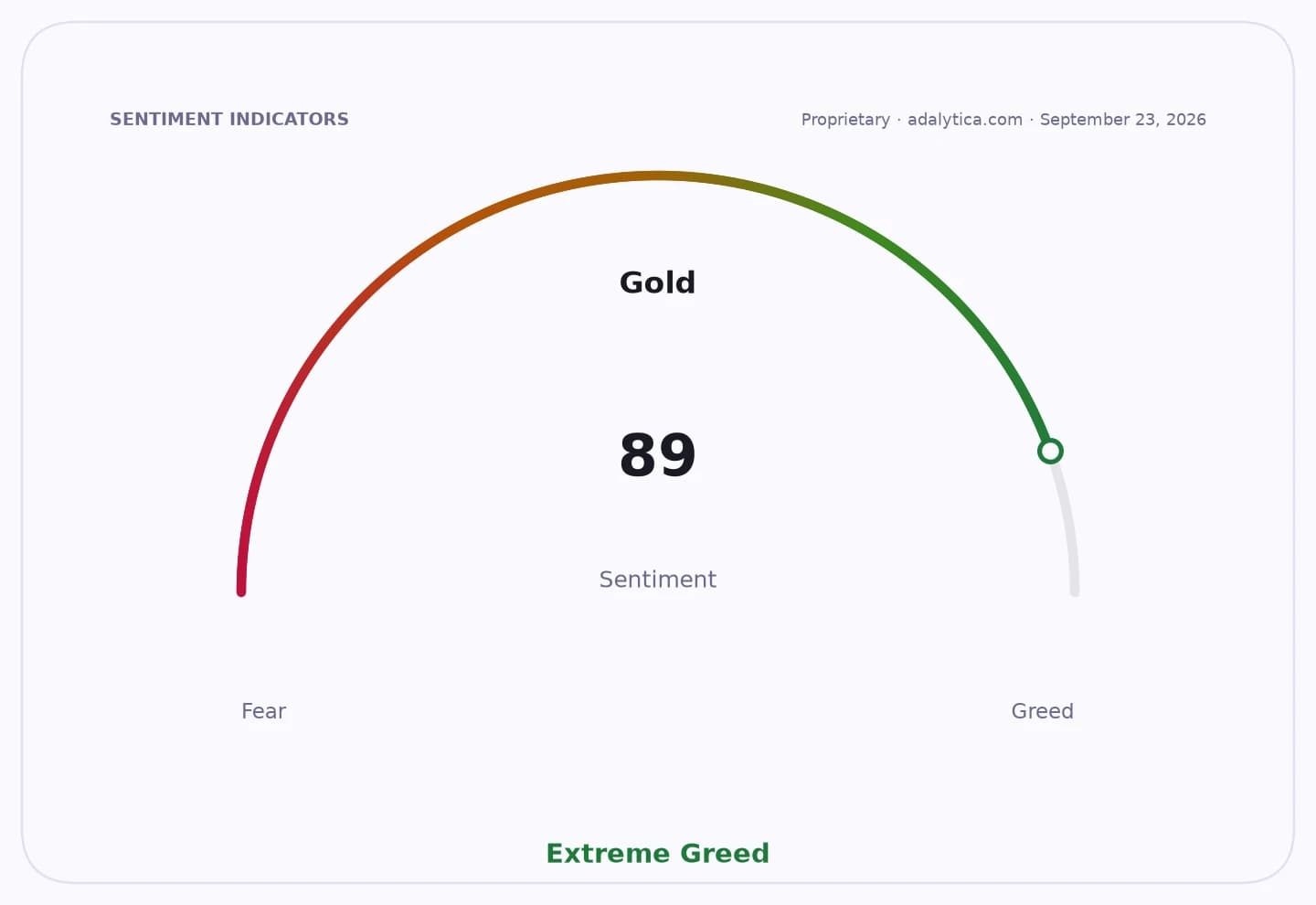
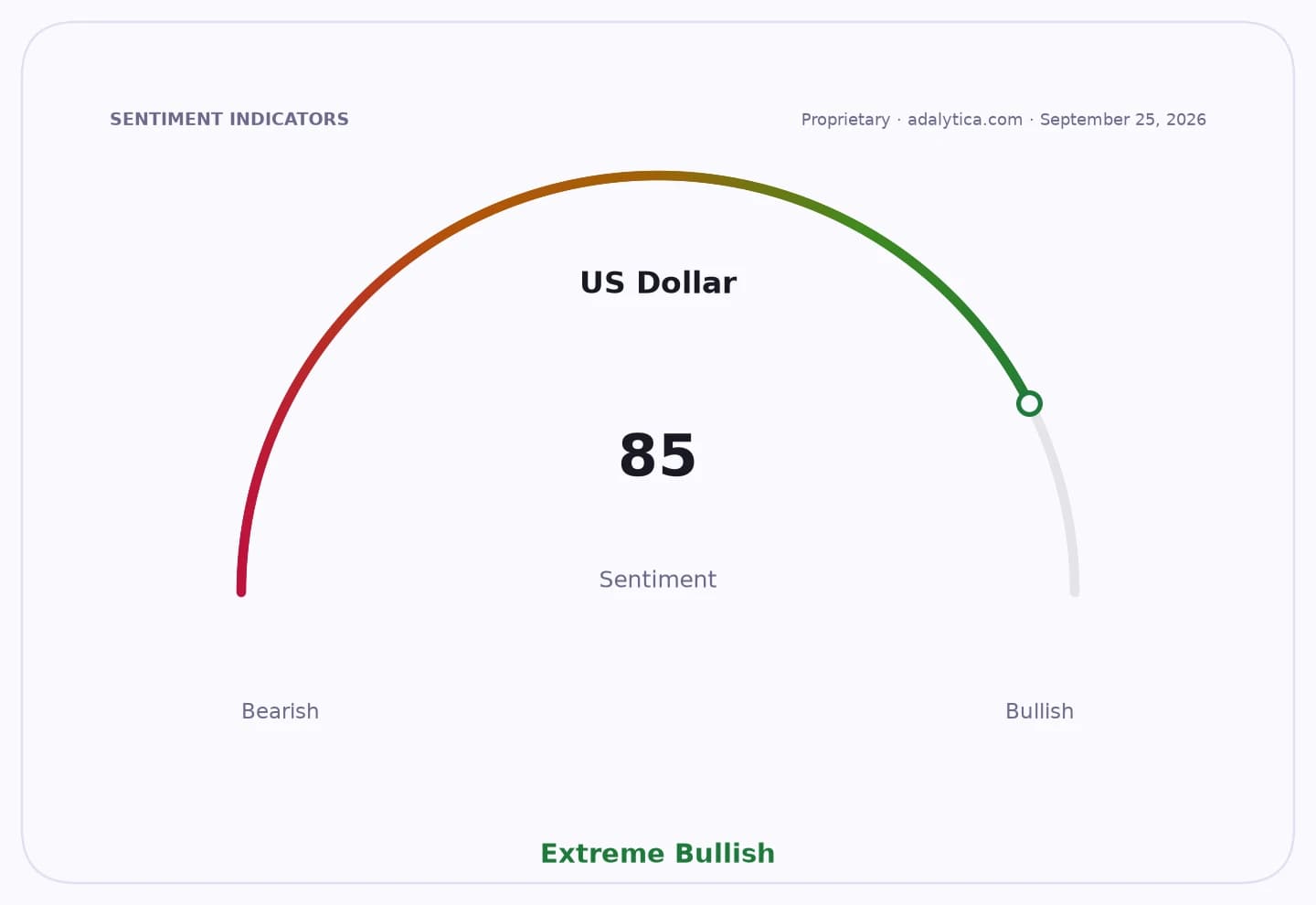
Sentiment IndicatorsⓘProprietary · adalytica.com · September 3, 2026
This is a snapshot — live sentiment, awareness and momentum for 130+ markets update continuously in the dashboard.Open AlphaPulse
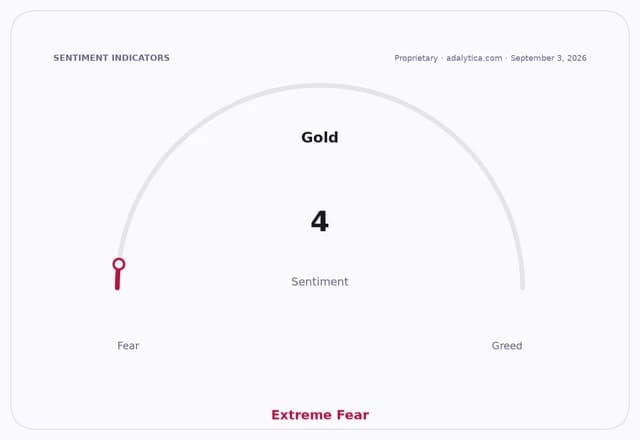
That pressure showed up in exchange-traded gold proxies. SPDR Gold Shares slipped to $410.27, while shares of Gold Fields eased to $41.48 after stronger earlier gains this year. The latest readings from Adalytica’s Gold Fear & Greed Index showed extreme fear at 4, underscoring how quickly sentiment has turned even as the metal remains elevated by historical standards.
The physical market told the same story. In Libya, 24-karat scrap gold was quoted at 1,280 dinars a gram and 24-karat fabricated gold at 1,290 dinars, while 21-karat scrap was listed at 1,120 dinars, signaling continued pressure on retail buying and a wider gap between bullion-linked pricing and jewelry demand. That divergence is important: consumers are trading down or delaying purchases, while investors are still using gold as a macro hedge rather than a pure consumption play.
Oil at $91.48 a barrel adds another layer. Higher energy prices can keep inflation sticky, which in turn supports yields and makes it harder for gold to stage a clean breakout unless growth data weakens or the Federal Reserve turns more dovish. For miners, that means the next leg higher in bullion is still the key catalyst for margins and share-price re-rating.
Our thesis remains that gold is not being repriced by supply fundamentals but by macro liquidity. If yields roll over from here, the metal can resume its uptrend quickly. If they do not, investors should expect further chop in bullion, with the best relative opportunities likely in disciplined producers and royalty names rather than pure price momentum trades.
| Entity | Gains | Losses |
|---|---|---|
| U.S. Treasury sellers | ▲Higher borrowing costs | ▼Gold bulls |
| Dollar | ▲Yield support | ▼Importers of bullion |
| Gold miners | ▲Any rebound in bullion | ▼Jewelry retailers |
| Consumers | ▲Lower local gold prices | ▼Jewelry demand strength |