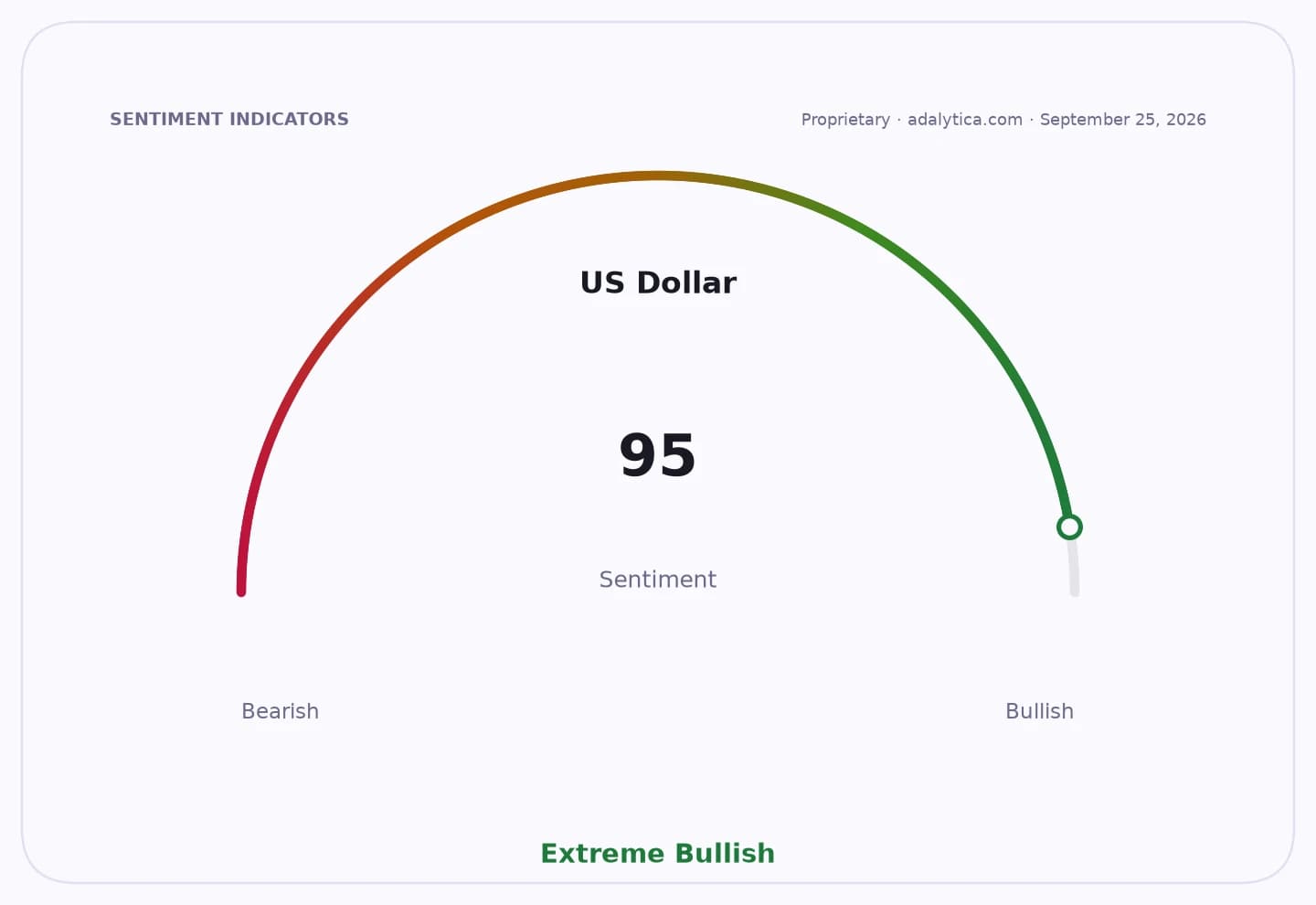
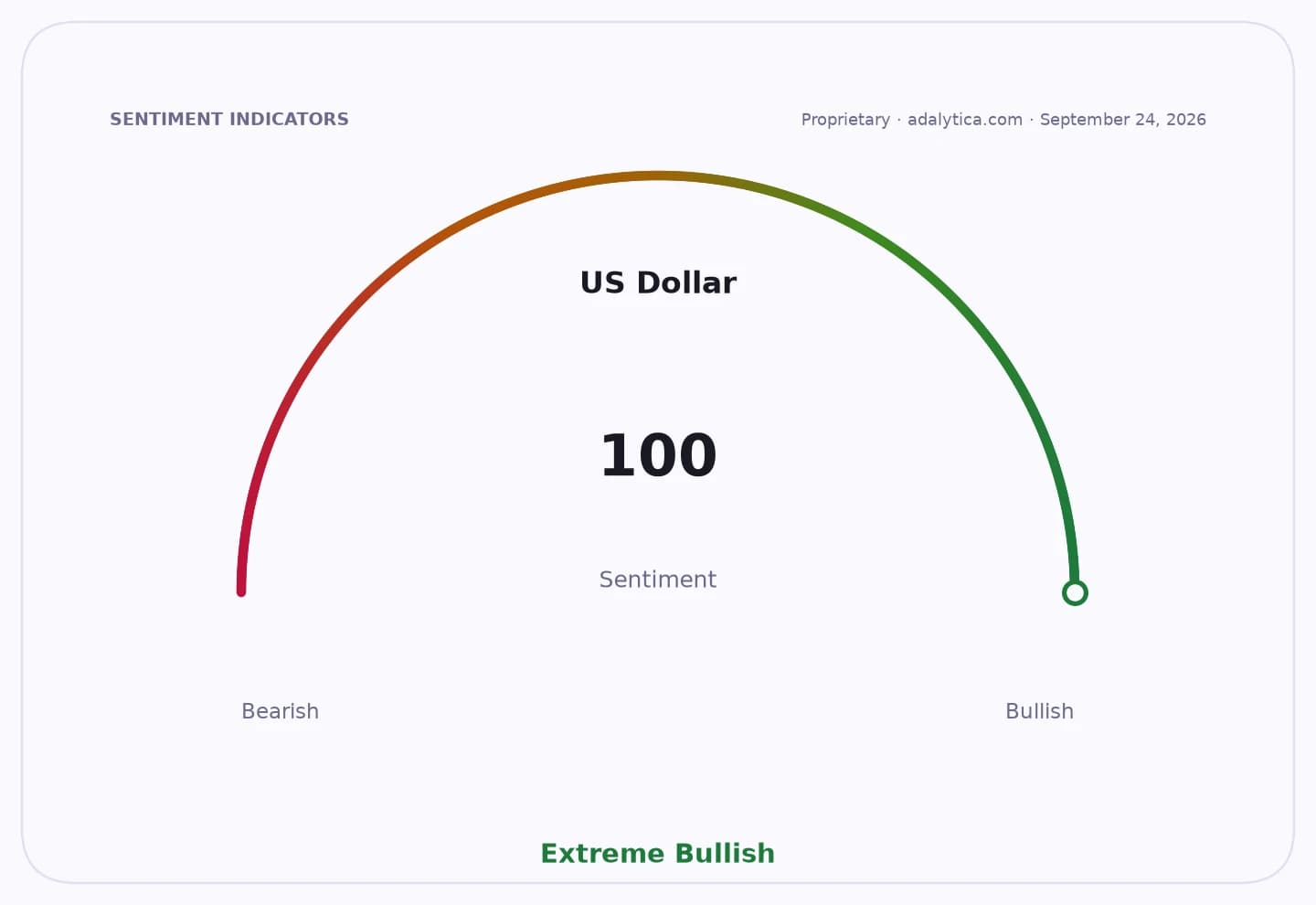
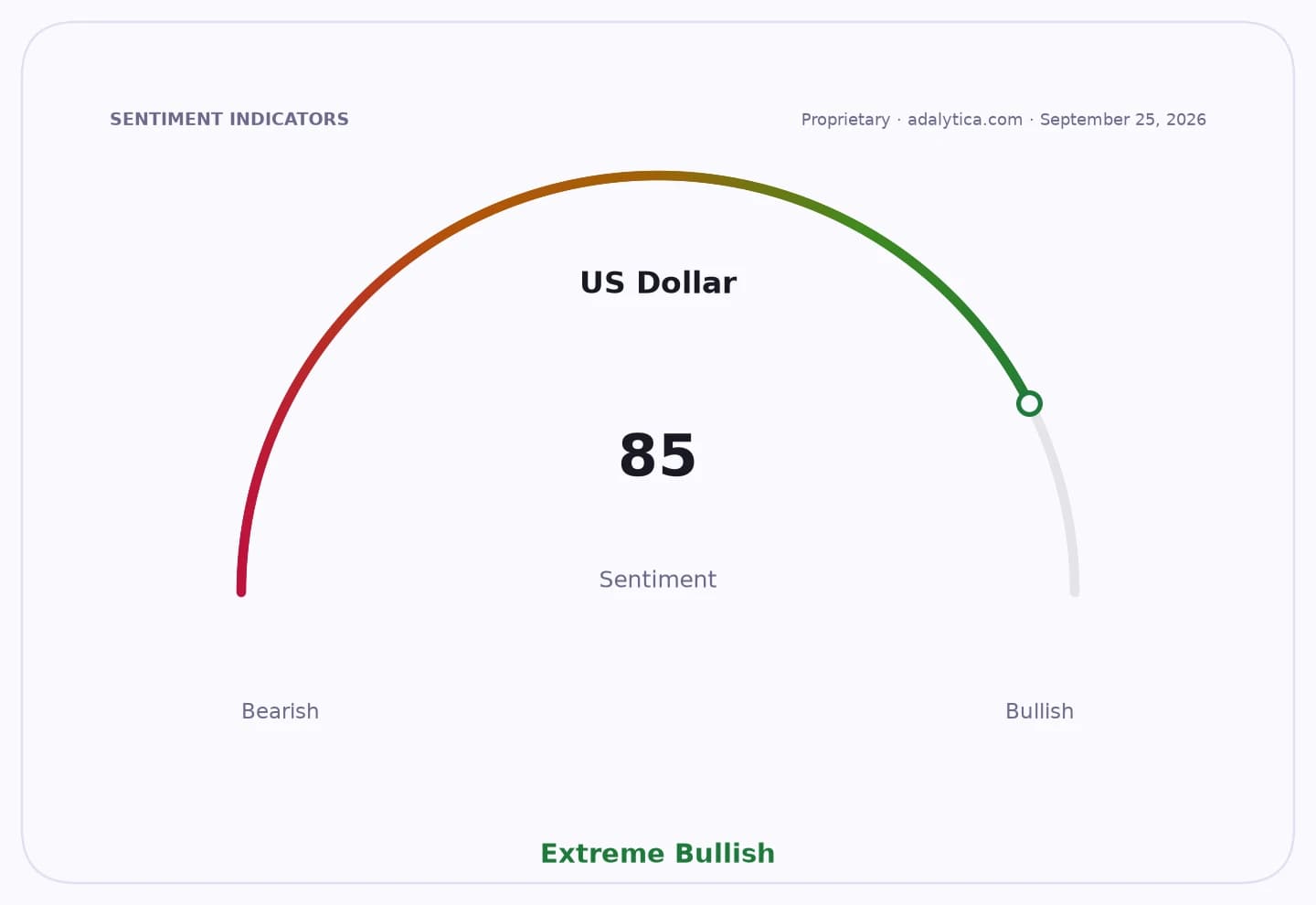
Gold is bouncing back after a sharp pullback, but the move comes with a warning for investors: the metal is still trading in a market where elevated US yields and a firmer dollar are pushing back against the safe-haven bid.
Gold Rebounds as Yields and Dollar Stay Firm
The most recent close in COMEX gold futures was $4,315.60 an ounce on Sept. 25, up from $4,298.00 a day earlier, following a drop to $4,318.40 on Sept. 23 and a deeper dip to $4,298.00 on Sept. 24 after an intraday high of $4,338.00. The rebound matters because it shows buyers are still willing to step in after a volatile stretch, but it also underlines that gold has lost some of the momentum that carried it to record territory earlier in the year.

The macro backdrop is less supportive than it was during the latest leg higher. The 10-year Treasury yield has risen to 4.96%, while the two-year sits at 4.76%, leaving the market with a relatively attractive return on cash and government debt. Fed funds expectations still point to a policy rate around 3.63%, but the recent move in yields keeps the opportunity cost of holding gold elevated. At the same time, Reuters and Bloomberg-style market signals show the dollar remains a headwind even if near-term sentiment has eased.
That tension is showing up in the technical picture. Gold futures remain above the 50-day moving average at $4,354.44 but below the 200-day average near $4,556.03, while the latest RSI reading of 31.1 suggests the market is edging into oversold territory after the selloff. The MACD is still negative, indicating the trend has not fully turned, even as the Bollinger Bands show price action compressing after the recent swing lower.
Gold-linked funds are reflecting the same hesitation. The SPDR Gold Shares ETF closed at $391.69 on Sept. 24, down from $400.07 two sessions earlier and still below both its 50-day moving average of $394.86 and 200-day average of $416.40. The VanEck Gold Miners ETF fell to $92.35, also under its 50-day and 200-day averages, suggesting miners remain more exposed than bullion to any further slide in the metal.
The broader implication for investors is that gold is still being treated as a macro trade, not a one-way hedge. Bullish case: persistent policy uncertainty, geopolitical risk and the potential for renewed central-bank buying could revive the bid quickly if rates ease or growth weakens. Bearish case: if yields hold near current levels and the dollar stays firm, gold may struggle to sustain rallies and could continue to churn below its long-term trend.
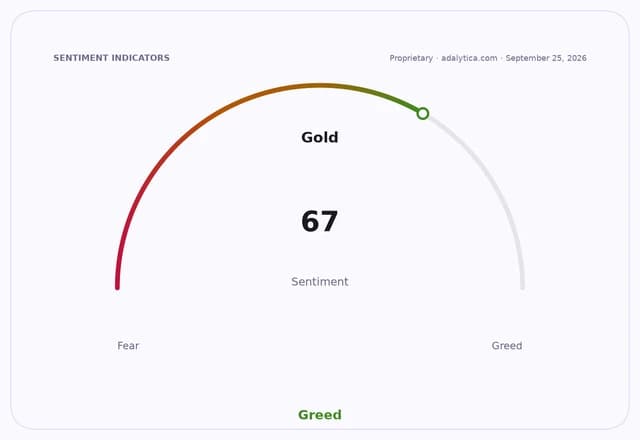
Adalytica’s Gold Fear & Greed Index was at 67, down from 72 a day earlier but still in neutral territory, while its awareness gauge held at 57. That suggests conviction has cooled, not disappeared. For now, the key question is whether this rebound marks the start of a steadier base or just a pause in a correction driven by higher real rates.
| Entity | Gains | Losses |
|---|---|---|
| Gold bulls | ▲Bounce from oversold levels | ▼Follow-through above resistance |
| US Treasury yields | ▲Higher carry for bondholders | ▼Gold’s appeal as a non-yielding asset |
| GLD holders | ▲Exposure to rebound | ▼Still below key moving averages |
| Gold miners (GDX) | ▲Leverage to any renewed gold rally | ▼Margin pressure if bullion weakens |