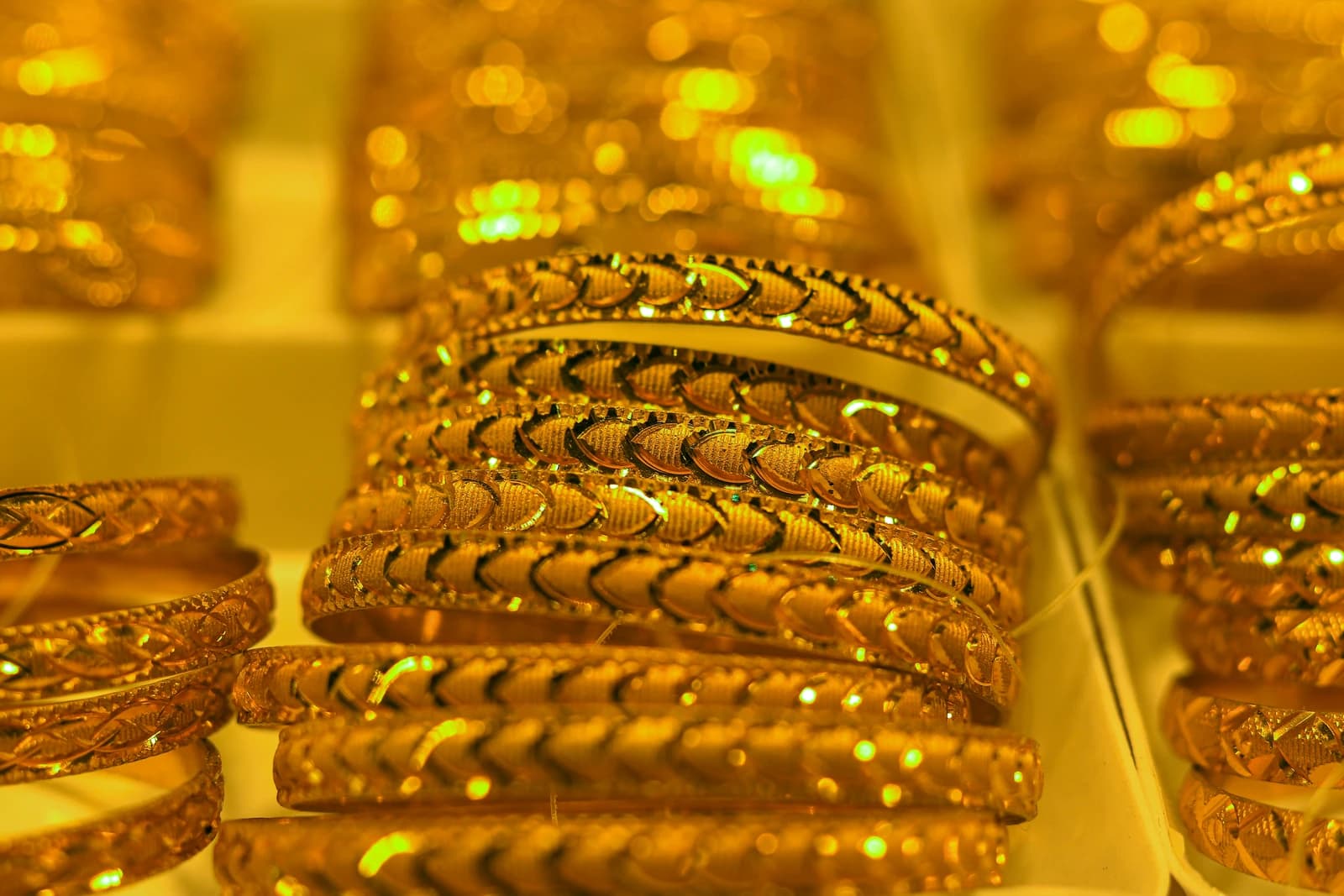
Gold and silver prices have slipped for about a month, and that is quickly feeding through to demand in Dungarpur’s wedding-season jewelry market, where shoppers are returning for both new purchases and repairs.
Gold and silver prices boost Dungarpur jewelry demand
The decline matters economically because bullion is a major driver of retail jewelry spending in India’s smaller city markets. When prices surge, buyers trade down to lighter-weight ornaments, defer purchases or cut back on gift items. When prices ease, as they have now, the same households tend to restore deferred demand, lifting turnover for jewelers, polishers and repair shops. In Dungarpur, traders say the price drop has brought back footfall after a period when high rates had sharply curtailed buying.
Sentiment Indicators
Local jewelers say the market had been under pressure when 10 grams of gold in the district touched about Rs 1.88 lakh and silver reached roughly Rs 4.03 lakh a kilogram. Current rates have fallen to around Rs 1.28 lakh per 10 grams for 22-carat gold and Rs 1.377 lakh per kilogram for jewelry silver, according to local trade estimates cited by merchants. That is a sharp reset for household budgets at a time when wedding demand is normally strongest.
The change is already visible in buying patterns. Traders say customers who previously bought around 10 grams of gold are now often choosing 2 to 3 grams, but even that lower ticket size is enough to revive volumes. Demand has also returned for silver gift articles such as pajeb, earrings, chains and bangles, a segment that had been squeezed last season when families trimmed discretionary wedding gifting.
For investors, the story is a reminder that precious-metals prices do not just affect bullion holders; they shape end-market demand across jewelry retailers, craftsmen and ancillary businesses. In local markets, lower prices can improve volumes even if average selling prices are down, which may support revenue for jewelers with wide assortments and repair services. The flip side is that prolonged volatility can still compress margins, especially if shoppers remain cautious and buy smaller pieces rather than full sets.
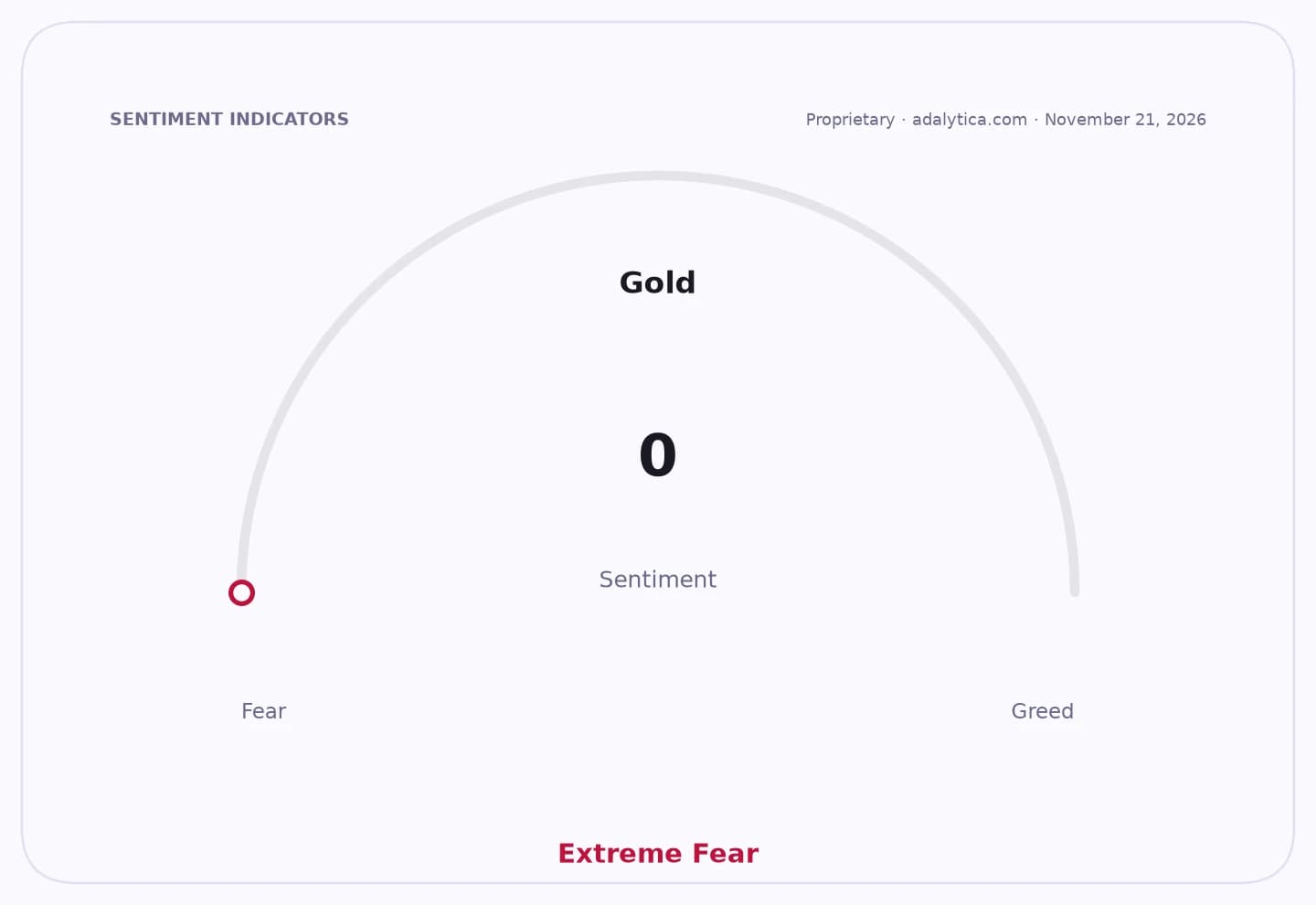
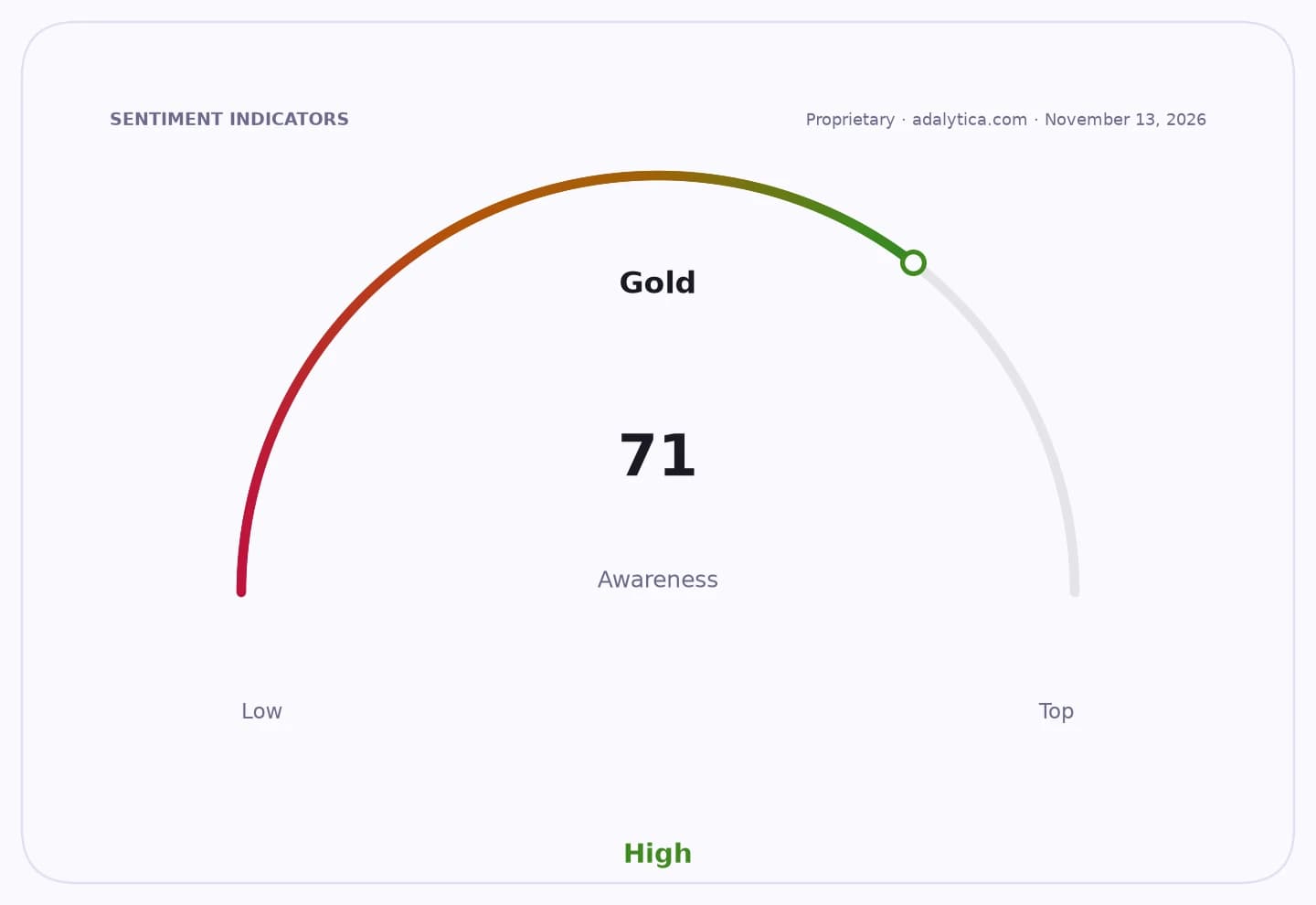
Technical indicators on gold and silver funds also point to a stressed but potentially stabilizing market. GLD, the gold ETF, has fallen well below its 50-day and 200-day moving averages, while its relative strength index has slipped into oversold territory. SLV and GDX show similar weakness, with momentum indicators still negative. Adalytica’s Gold Fear & Greed Index shows “Extreme Fear,” even as awareness remains elevated, suggesting the selloff has been broad and closely watched.
The immediate risk is that a further slide in bullion prices could keep investors defensive even as jewelers see stronger foot traffic. The near-term opportunity, however, is clear: if rates stay subdued through the wedding season, Dungarpur’s traders may see the best sales rebound in months, led by gift items, lighter-weight jewelry and repair work.
| Entity | Gains | Losses |
|---|---|---|
| Dungarpur jewelers | ▲Higher wedding-season sales | ▼Lower per-item ticket sizes |
| Wedding buyers | ▲Cheaper gold and silver | ▼Less room for price appreciation |
| Repair and polishing shops | ▲More service orders | ▼— |
| Bullion holders / jewelry stocks | ▲— | ▼Mark-to-market pressure |