Goodyear Tire & Rubber has cleared a key labor overhang at its Akron, Ohio base after workers ratified a new contract, removing one of the most immediate risks to its restructuring effort and giving investors a cleaner path to judge the company’s turnaround on operations rather than labor friction.
Goodyear Akron Workers Ratify New Labor Contract
That matters because for a cyclical manufacturer like Goodyear, wage stability and uninterrupted production can be as important as pricing or demand. Every avoided work stoppage protects output, limits costly inventory disruptions and helps management focus on the bigger job: restoring margins in a tire market that remains under pressure from uneven consumer demand and volatile input costs.
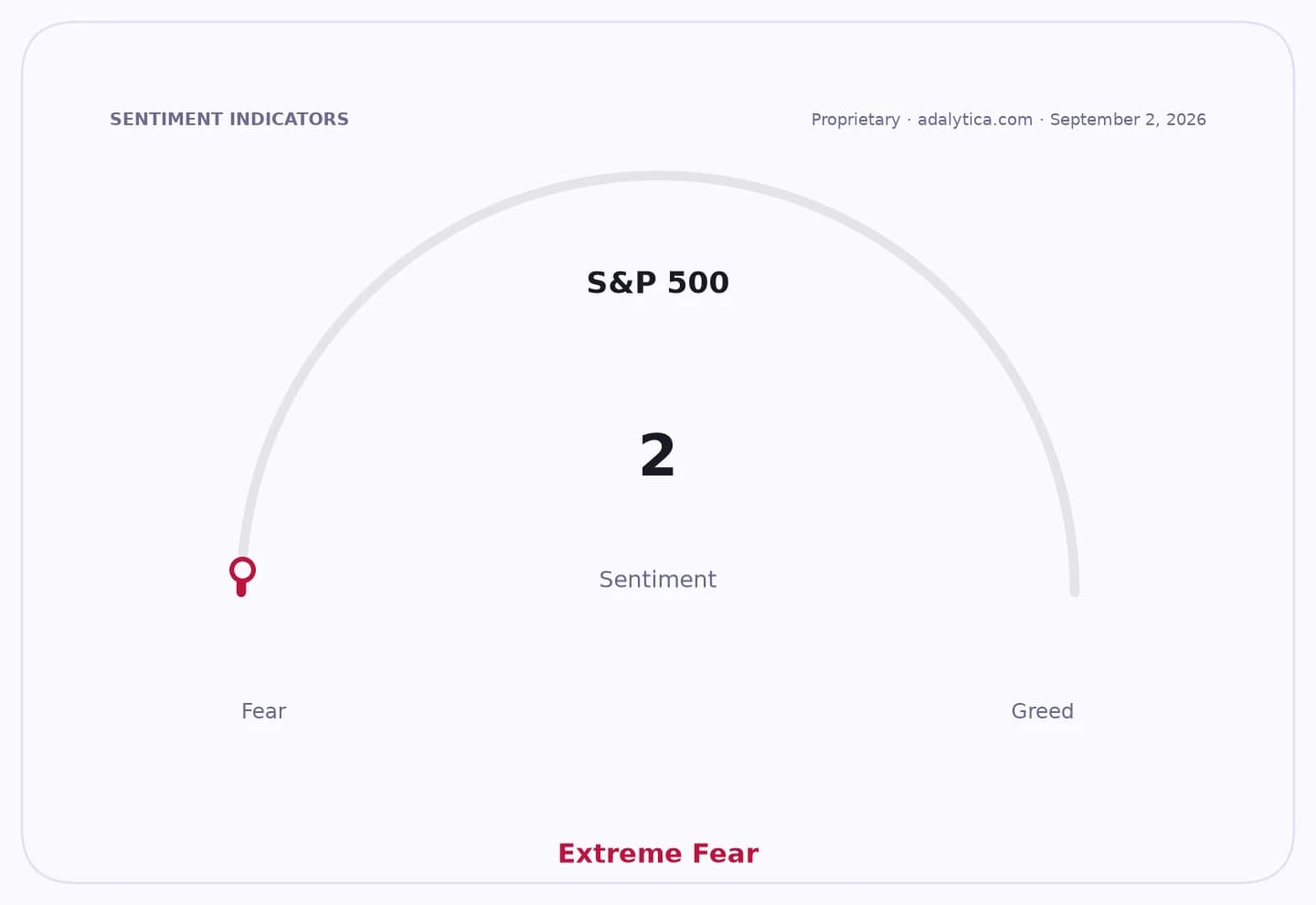
Sentiment IndicatorsⓘProprietary · adalytica.com · August 24, 2026
This is a snapshot — live sentiment, awareness and momentum for 130+ markets update continuously in the dashboard.Open AlphaPulse
The ratification also extends a pattern that has become central to Goodyear’s investment case. The company has already been trimming its manufacturing footprint, including a move to permanently close its Fayetteville, North Carolina plant earlier this summer. A settled Akron agreement reduces the probability that labor negotiations will interfere with those cost-cutting efforts or force additional charges just as management is trying to stabilize earnings.
For shareholders, the immediate read-through is not that Goodyear suddenly becomes a high-growth story. It is that downside risk narrows. The stock has been battered this year, with the shares recently changing hands near $5.94, far below both the 50-day moving average and the 200-day moving average, a sign the market still views the name as a broken turnaround. But the recent recovery from March’s lows shows investors will re-rate the stock quickly if management can keep execution clean.
The technical picture underscores how much sentiment has already been washed out. Goodyear’s relative strength index has been deeply oversold, and the shares sit below long-term trend lines that traders watch closely. That kind of setup can create outsized upside if a company starts delivering operational relief, even before any improvement in end demand shows up in the numbers.
The broader narrative here is simple: labor peace is becoming a competitive advantage for industrial companies trying to shrink costs, protect cash flow and survive a sluggish manufacturing backdrop. For Goodyear, the Akron deal does not fix the business, but it removes a distraction at exactly the moment the market is most willing to reward evidence of discipline.
Investors should view the contract as a small but important de-risking event. If Goodyear can pair labor stability with more plant rationalization and better execution in the next few quarters, the shares could respond sharply from depressed levels. For now, the stock remains a speculative turnaround, but one with a cleaner runway than it had before the union vote.
| Entity | Gains | Losses |
|---|---|---|
| Goodyear | ▲labor certainty | ▼wage flexibility |
| Akron employees | ▲contract stability | ▼strike leverage |
| Goodyear investors | ▲lower execution risk | ▼less near-term optionality |
| Cost-cutting rivals | ▲relative labor pressure relief | ▼no direct benefit |