Microsoft, Apple and Alphabet are being reminded that stock options and RSUs are not just employee perks — they are a material cost, a retention tool and, in volatile markets, a source of hidden dilution that can move cash flow and margins.
Microsoft, Apple, Alphabet on stock compensation costs
That matters now because the shares of all three megacap tech names have been swinging sharply, changing the value of equity awards and the economics of accelerated vesting clauses in employment agreements. For employees, a fast-rising stock can make RSUs far more valuable and trigger tougher retention decisions. For companies, it can raise compensation expense just as the market is becoming less forgiving of margin pressure and dilution.
Sentiment IndicatorsⓘProprietary · adalytica.com · September 7, 2026
This is a snapshot — live sentiment, awareness and momentum for 130+ markets update continuously in the dashboard.Open AlphaPulse
Microsoft’s stock has traded between 352.17 and 513.53 over the period in the data, while Apple has moved from 274.91 to 328.21 and Alphabet from 306.78 to 382.50. That kind of volatility matters because stock-based compensation is typically marked into expense over time, and accelerated vesting provisions can bring forward payouts when workers change jobs, are laid off or are bought out in a transaction. In other words, the same equity grants that help Big Tech recruit engineers and executives can become a more expensive liability when the stock is moving hard.
The issue is especially relevant for Microsoft, where shares recently fell back to 499.70 after touching 513.53, leaving the stock below its recent highs but still above the 50-day moving average. Apple ended at 319.97 after topping 328.21, while Alphabet closed at 338.46, below its 50-day average of 348.35. Technical readings are not the core story here, but they underscore that these are no longer one-way rally names; equity compensation tied to share prices is becoming more uncertain and more expensive to manage.
For investors, the mechanics matter because equity pay is one of the quieter drags on per-share earnings in megacap tech. A company can report strong revenue growth and still see less leverage if stock awards rise, if vesting accelerates after restructurings, or if employees receive richer packages to offset weaker stock performance. That creates a three-way tension between growth, talent retention and shareholder dilution.
There is also a split between winners and losers. Employees with large grants or negotiated acceleration rights benefit when shares rebound or when severance provisions are triggered. Long-term shareholders, by contrast, can lose through dilution and higher compensation expense, especially if boards use stock to retain talent rather than cash. Competitors in the AI hiring war may also be forced to match compensation packages, pushing the entire sector’s cost base higher.
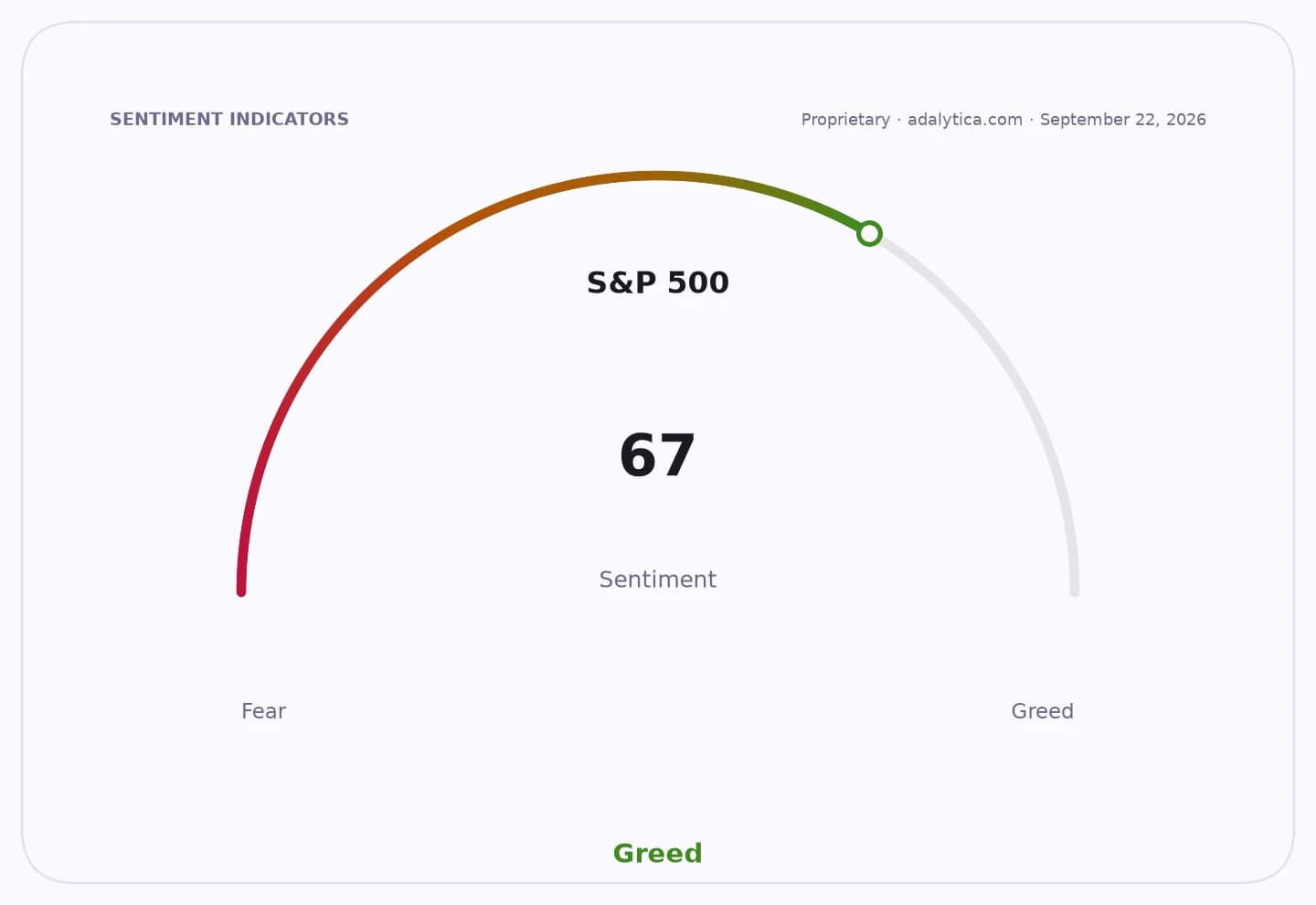
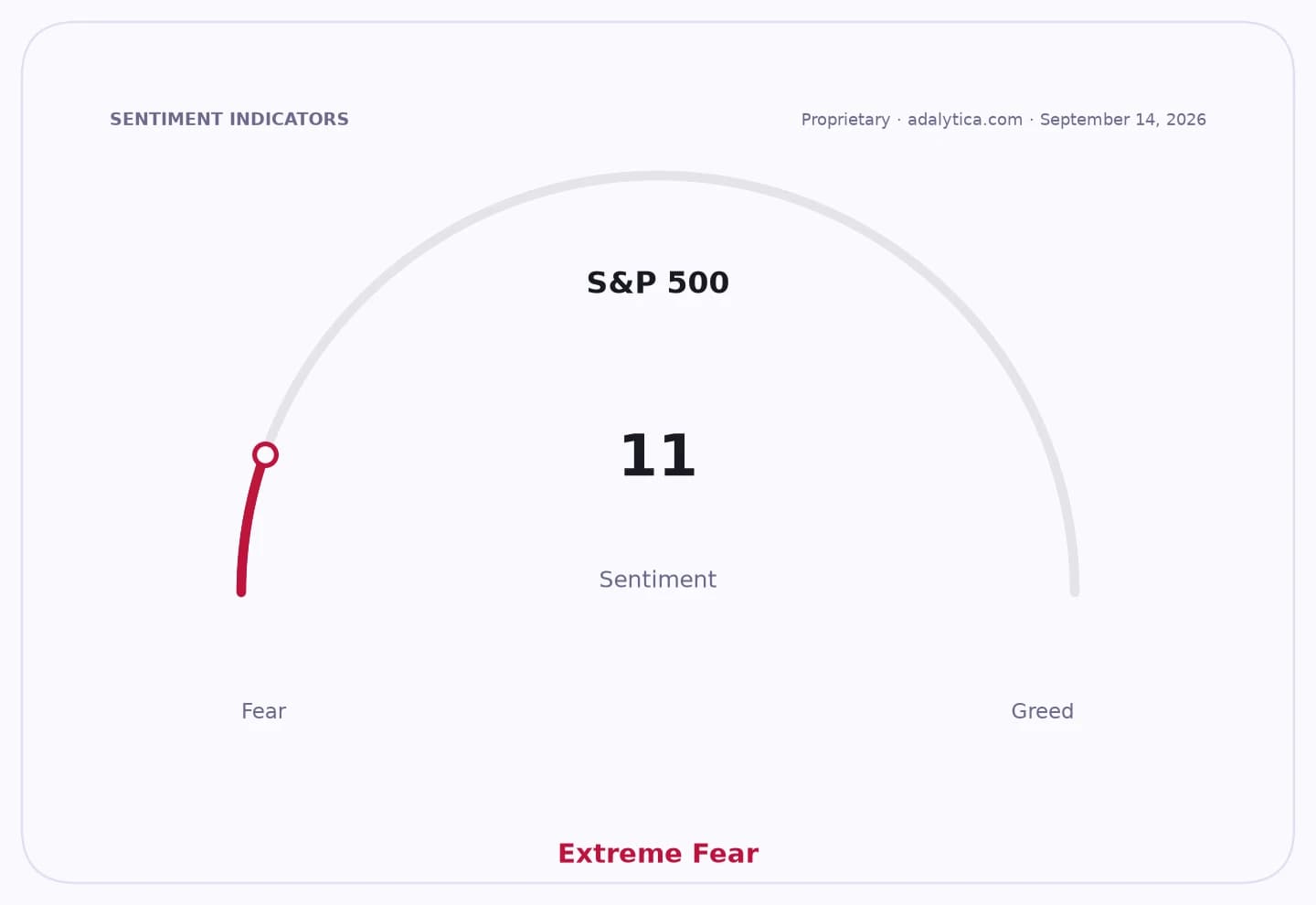
The broader market backdrop makes this more relevant. Adalytica’s S&P 500 Trade Signals snapshot shows “Extreme Fear,” suggesting investors are already more sensitive to earnings quality and capital allocation. In that environment, the market tends to scrutinize non-cash compensation more closely, especially at companies where valuation depends on expanding profit margins and disciplined share count growth.
For executives and employees, the practical takeaway is that vesting acceleration clauses, RSU refresh grants and option exercise windows are becoming more consequential again. For investors, the question is whether Big Tech can keep using equity as currency without giving up too much of the upside through dilution and compensation expense. The next test will come in upcoming quarterly filings, where investors will be looking for any sign that stock-based pay is rising faster than revenue or operating profit.
| Entity | Gains | Losses |
|---|---|---|
| Employees with RSUs/options | ▲Higher payout value | ▼Higher tax/vesting uncertainty |
| Microsoft, Apple, Alphabet | ▲Retention tool | ▼Higher compensation expense |
| Long-term shareholders | ▲Talent stability if used well | ▼Dilution and margin pressure |
| Rival tech employers | ▲Talent-poaching pressure eased if packages cool | ▼Must match richer awards |