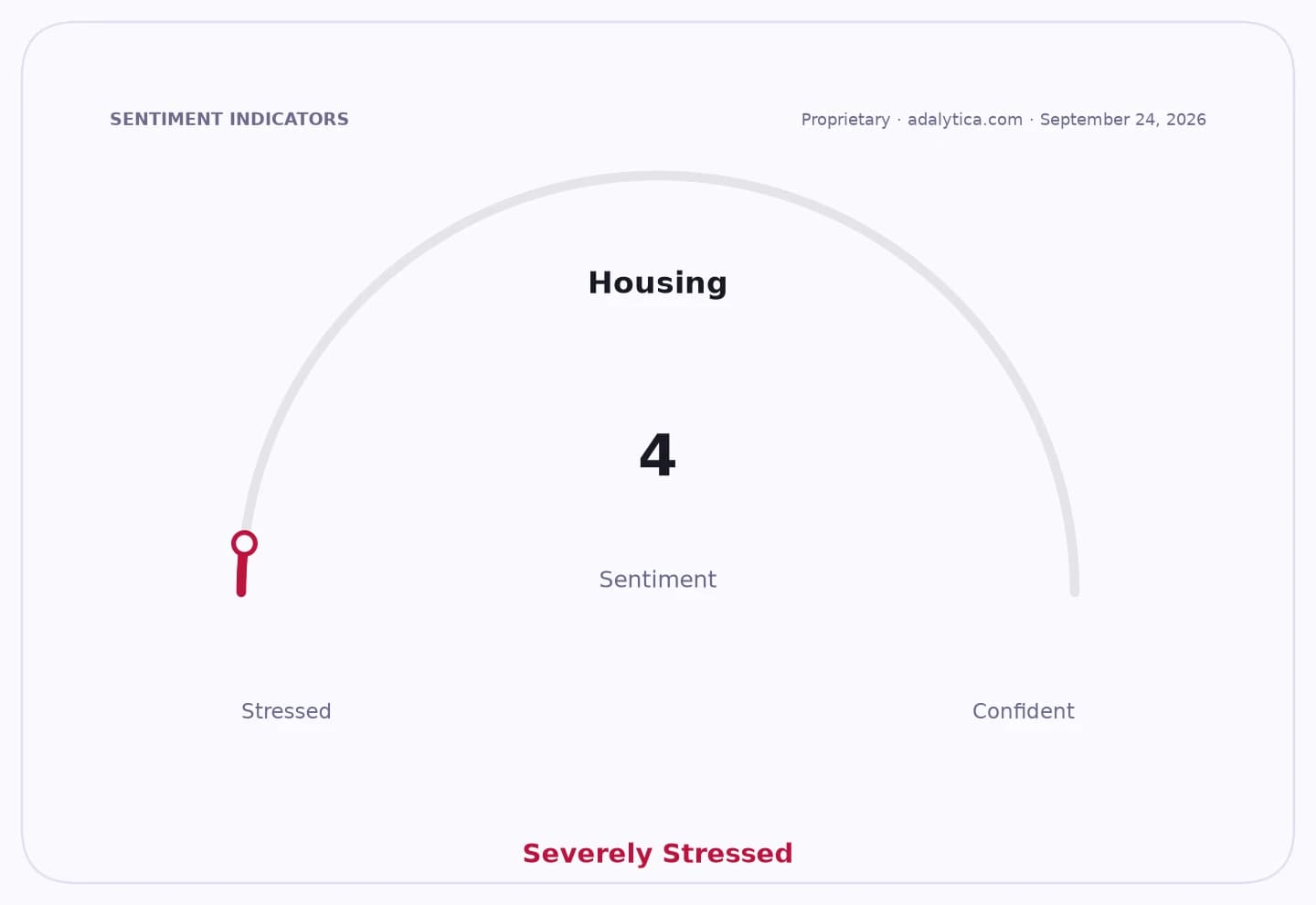
Greece’s housing crisis is now a direct drag on household spending power, and the market underestimates how quickly it can reshape property demand, rental yields and consumer behavior. Eurostat said Greek households spent 35.2% of disposable income on housing in 2023, by far the most in the European Union and nearly double the bloc average of 19.7%, a burden that is colliding with new restrictions on short-term rentals.
Greece housing costs hit spending and rental demand
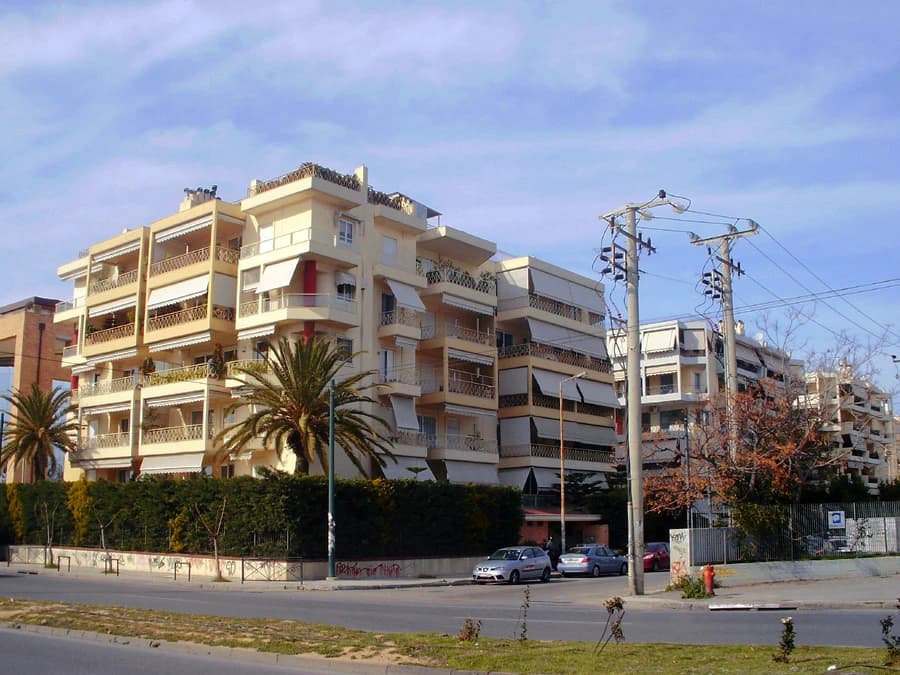
That matters because housing is no longer just a social problem in Greece — it is a macro constraint. When more than a third of take-home pay goes to shelter, there is less room for retail spending, travel, autos and discretionary purchases, which helps explain why domestic demand remains fragile even as tourism and foreign interest support property values. The pressure is especially acute in Attica, where Athens sits, and in Thessaloniki, where rents and purchase prices have surged while mortgage credit remains tight.
Sentiment IndicatorsⓘProprietary · adalytica.com · September 11, 2026
This is a snapshot — live sentiment, awareness and momentum for 130+ markets update continuously in the dashboard.Open AlphaPulse
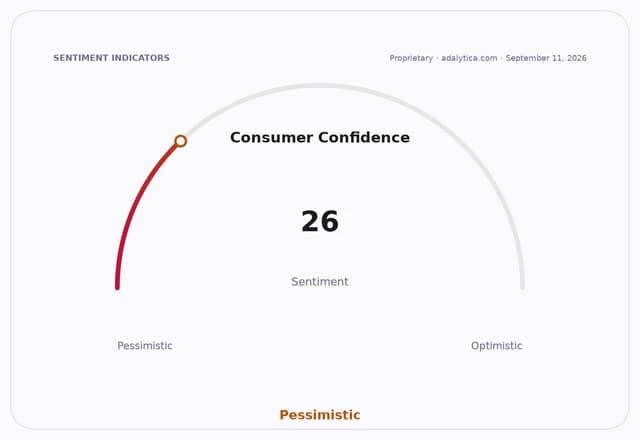
The fundamental mismatch is income. Eurostat shows Greece among the lowest-paid countries in the EU, with annual adjusted full-time wages at 17,013 euros, while OECD data cited in the report show household disposable income has fallen 23.7% since 2009. That is the kind of long-running squeeze that pushes a housing market from expensive to structurally unaffordable, and it is why price gains of 90% since the market recovery began in 2017 have not translated into broader prosperity.
For investors, the split is clear. Foreign buyers, Golden Visa applicants and digital nomads still see Greece as a value play, especially in Athens and Thessaloniki, where demand remains firm and credit institutions expect prices to revisit the 2008 peak. But local buyers and renters are being priced out, which raises political pressure for intervention. The government’s move to tighten Airbnb rules is the first sign that policy is shifting from growth-at-any-cost toward preserving livability and stabilizing rental supply.
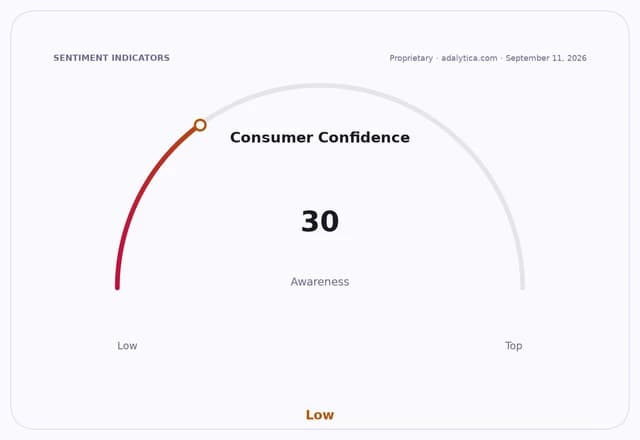
That creates a second-order investment theme. Short-term rental operators and landlords reliant on tourist traffic face more scrutiny, while traditional long-lease residential stock, builders and housing-services names could benefit if supply gradually returns to the long-term market. Greek real estate exposure may still have legs, but the easy money is in assets tied to scarce prime locations, not in the broad market. The market is beginning to price in a more regulated housing regime, and that is the catalyst to watch.
The bigger trade is not simply “buy Greece.” It is to focus on the segments that benefit from tighter supply, persistent foreign demand and a policy backdrop that may finally force capital into new construction rather than speculative short-term rentals. As the housing squeeze persists into 2025, Greece’s property market remains an opportunity — but only for investors positioned on the right side of the regulatory reset.
| Entity | Gains | Losses |
|---|---|---|
| Foreign buyers | ▲Access to sought-after properties | ▼Local price resistance |
| Long-term renters | ▲Potentially more supply | ▼Higher rents remain sticky |
| Airbnb hosts | ▲Tourism demand | ▼New rental restrictions |
| Greek government | ▲Political cover on housing | ▼Pressure to fix affordability |