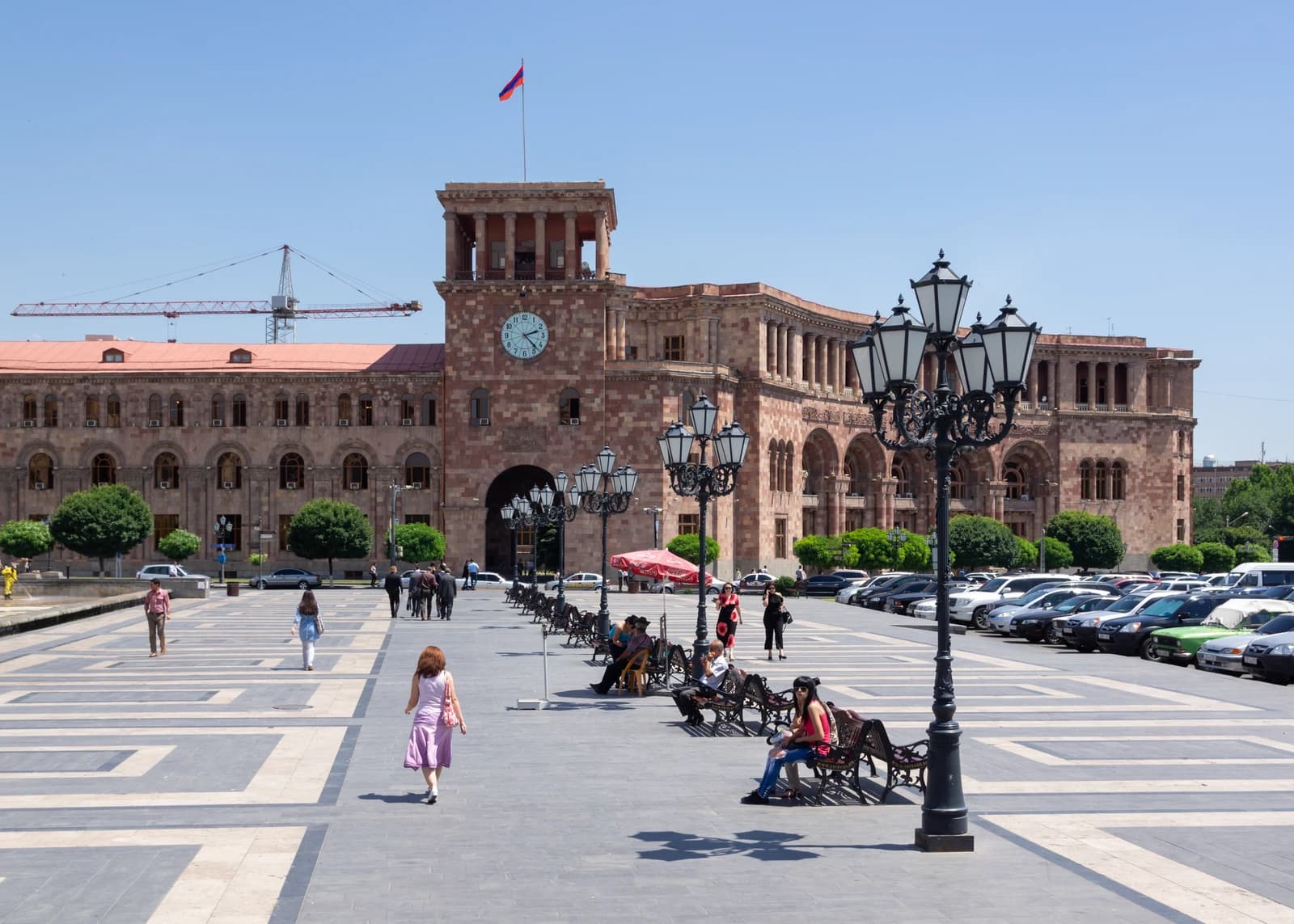
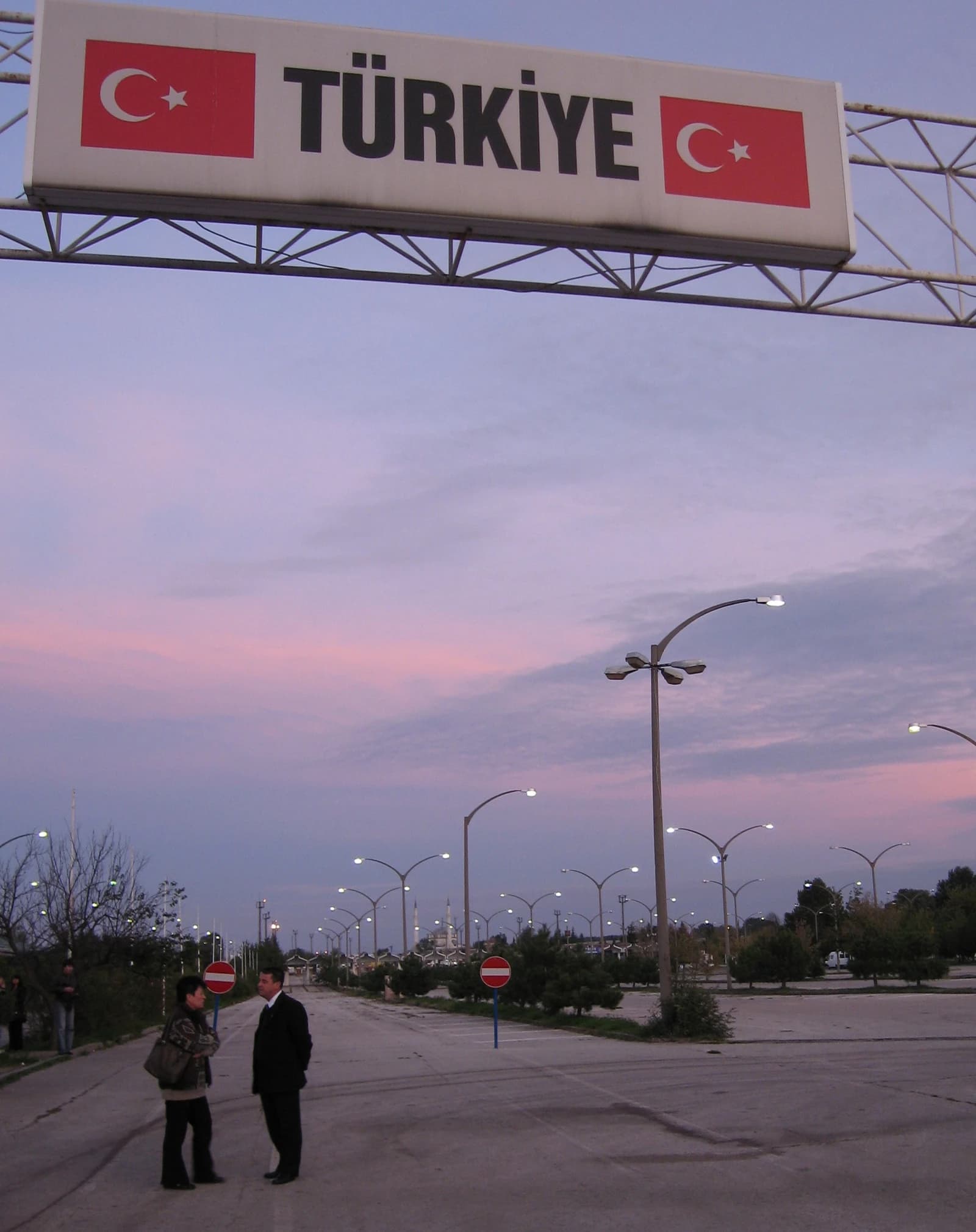
Merve Boluğur’s decision to buy property in Greece for a golden visa underscores how residence-by-investment schemes are drawing Turkish buyers seeking mobility, optionality and a hedge against domestic uncertainty.
Greek Property Demand Rises Among Turkish Buyers
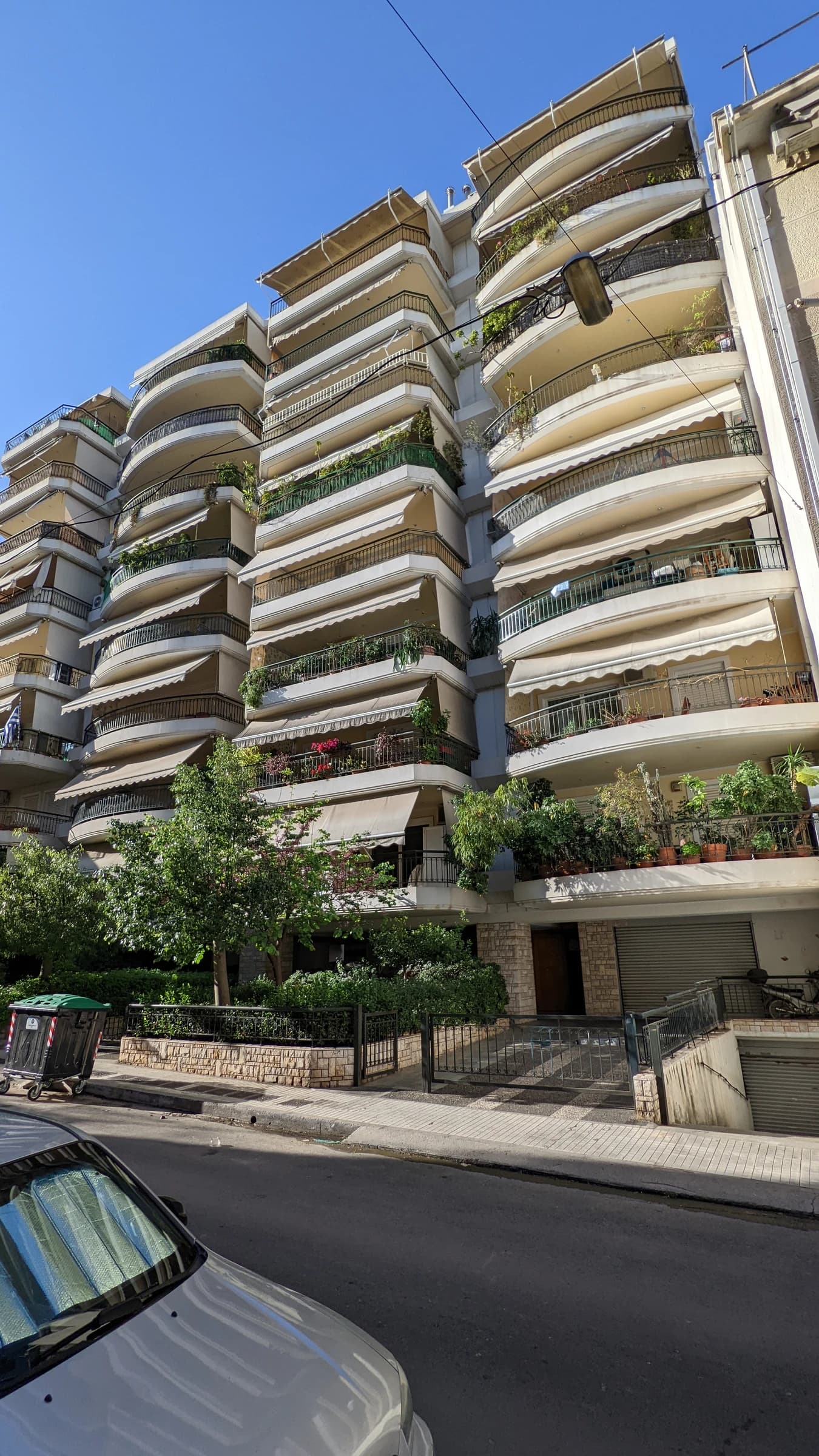
For investors in Greek real estate, the appeal is straightforward: a foreign buyer willing to commit capital in exchange for residency rights. For Turkish households with means, the logic is broader. A golden visa can reduce friction around travel, create access to a euro-area foothold and offer a second base outside Turkey’s currency and policy cycle. Boluğur’s remarks that she wants to avoid “visa trouble” and open “new doors” capture the same calculus increasingly visible among affluent buyers from Turkey and the wider region.
Greece’s program has long been one of Europe’s more accessible residency routes, and that has kept demand resilient even as the government has periodically tightened entry thresholds in prime areas. The policy remains economically relevant because it channels private capital into housing at a time when Southern European property markets are still sensitive to foreign demand. That can support prices and transaction volumes, but it also risks intensifying affordability pressures in urban and tourism-heavy locations.
The timing also fits a wider pattern in Europe. Germany is preparing to ease visa requirements for Turkish citizens, while Bulgaria has also moved to relax procedures for Turkish tourists. Together, those steps suggest a cautious thaw in mobility rules around Turkey, even as geopolitical frictions with Greece and the EU persist. For investors, that matters because visa access is increasingly part of the broader capital-allocation decision: where to buy, where to spend, and where to establish a backup plan if the local currency or regulatory backdrop worsens.
The market read-through is not limited to celebrity news. A high-profile purchase can amplify a trend that already benefits Greek residential brokers, legal advisers and property owners near the most sought-after zones. It also points to steady outbound demand from Turkish buyers who may be looking for a store of value in euros rather than lira-linked assets at home. The bear case is that the flow is concentrated, policy-dependent and vulnerable to any further tightening of Greek residency rules or a cooling in Turkish demand. But for now, the narrative is clear: mobility has become a premium asset, and Greek property is one way to buy it.
For investors, the next question is whether this remains a niche lifestyle trade or becomes a broader capital rotation out of Turkey. If visa liberalization improves in Europe, demand may spread beyond golden visa structures. If not, Greece and similar markets could keep benefiting from buyers who see residency rights as part of wealth preservation.
| Entity | Gains | Losses |
|---|---|---|
| Greek property sellers | ▲Higher demand | ▼More limited inventory |
| Turkish affluent buyers | ▲Residency access | ▼Lira-linked exposure |
| Greek brokers and lawyers | ▲More transactions | ▼Pricing pressure risk |
| Local renters/homebuyers | ▲None | ▼Tougher affordability |