Turkey’s government said it will raise pensions above inflation before the end of the year, a politically sensitive move that underscores pressure on households after a prolonged cost-of-living squeeze and could add to fiscal strains if the adjustment is broad-based.
Turkey to Raise Pensions Above Inflation

Vice President Cevdet Yılmaz said a comprehensive review of retirement pay was under way and that the administration aimed to complete a regulation by year-end, without giving a specific percentage. He said pensions would rise “above inflation,” a commitment that matters because Turkish retirees are among the biggest and most politically important groups affected by the erosion of real incomes.
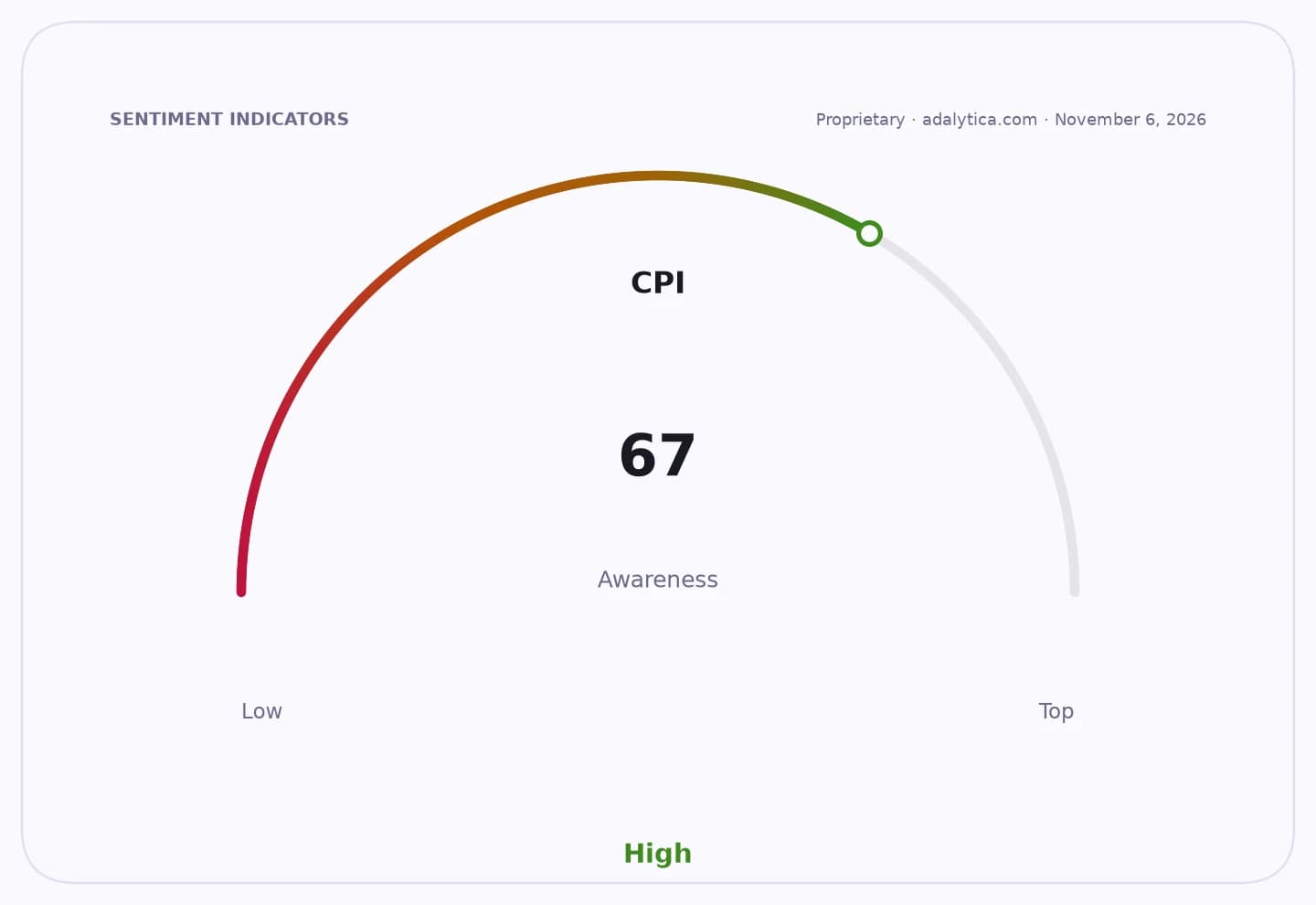
Sentiment Indicators

The announcement comes as inflation remains the central economic variable in Turkey’s policy mix. Even if consumer price growth has moderated from its peaks, the cumulative damage to purchasing power has been severe, leaving pensioners reliant on state support to keep pace with living costs. Any increase above the official inflation rate would amount to a real income boost, but it would also raise the government’s wage-and-transfer bill at a time when fiscal discipline remains important for restoring investor confidence.
For markets, the key question is not the principle of a pension increase but its size, timing and funding. A modest top-up could help ease social pressure without materially disturbing budget arithmetic. A larger or across-the-board adjustment, by contrast, would widen spending commitments and could feed concerns that Turkey is still balancing anti-inflation policy with politically driven income support. Investors will watch whether the measure comes as a one-off welfare adjustment, a permanent increase, or a mix of base-pay and supplemental relief.
CPI
The comments also matter because pensions are closely tied to broader policy credibility. Turkey has spent much of the past year trying to convince investors that tighter monetary and fiscal discipline will bring inflation under control. A decision to lift pensions above prices is not unusual in an election-sensitive economy, but it does highlight the tension between protecting vulnerable households and maintaining a consistent disinflation path.
SSK, Bağ-Kur and civil-service retirees are all watching for the final package, with options including a welfare share or an additional flat increase still under discussion. The market will now look for details on how the government intends to finance the measure and whether other social payments could be adjusted as well, because those choices will shape both household demand and Turkey’s inflation outlook into next year.
| Entity | Gains | Losses |
|---|---|---|
| Turkish retirees | ▲Higher real incomes | ▼Less erosion from inflation |
| Turkish government | ▲Political support | ▼Bigger fiscal burden |
| Households broadly | ▲Stronger consumption power | ▼Potentially higher inflation pressure |
| Bondholders/investors | ▲Clearer policy signal if limited | ▼Risk of looser fiscal stance |