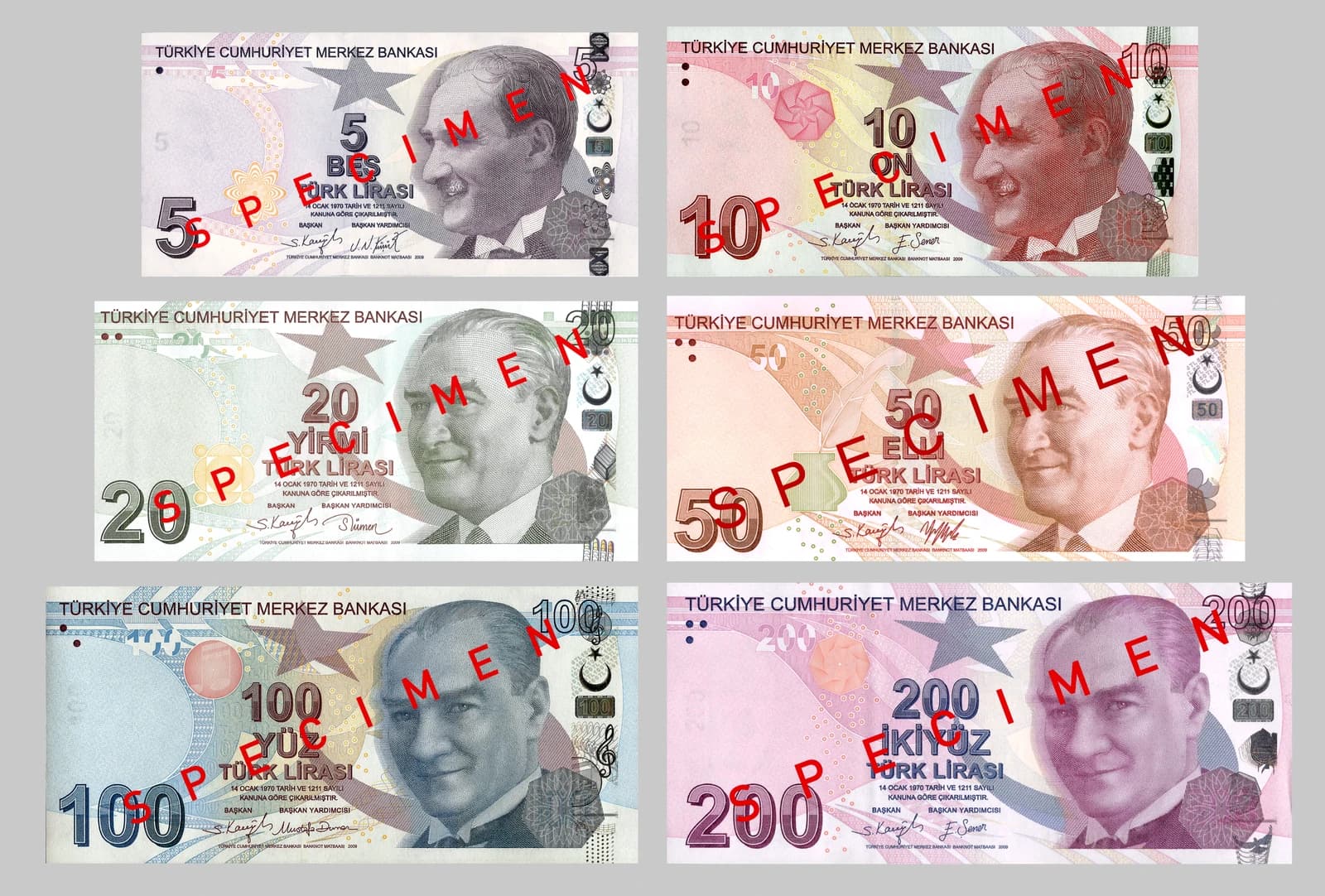
Turkey’s central bank will use its final inflation report of the year on 12 November to reset expectations for interest rates, the lira and domestic assets after October inflation came in at 29.7% and price pressures remained far above target.
Turkey central bank inflation report due Nov. 12
The report from Governor Fatih Karahan is the main policy event in Turkey this month because it will shape how long the Central Bank of the Republic of Turkey needs to keep monetary policy tight while inflation cools only gradually. In its previous report, the bank lifted its year-end 2026 inflation forecast to 28%, while projecting inflation to fall to 15% by end-2027 and 9% by end-2028 before stabilizing at the 5% medium-term target. Any further upward revision would reinforce the view that disinflation is proceeding more slowly than policymakers hoped.
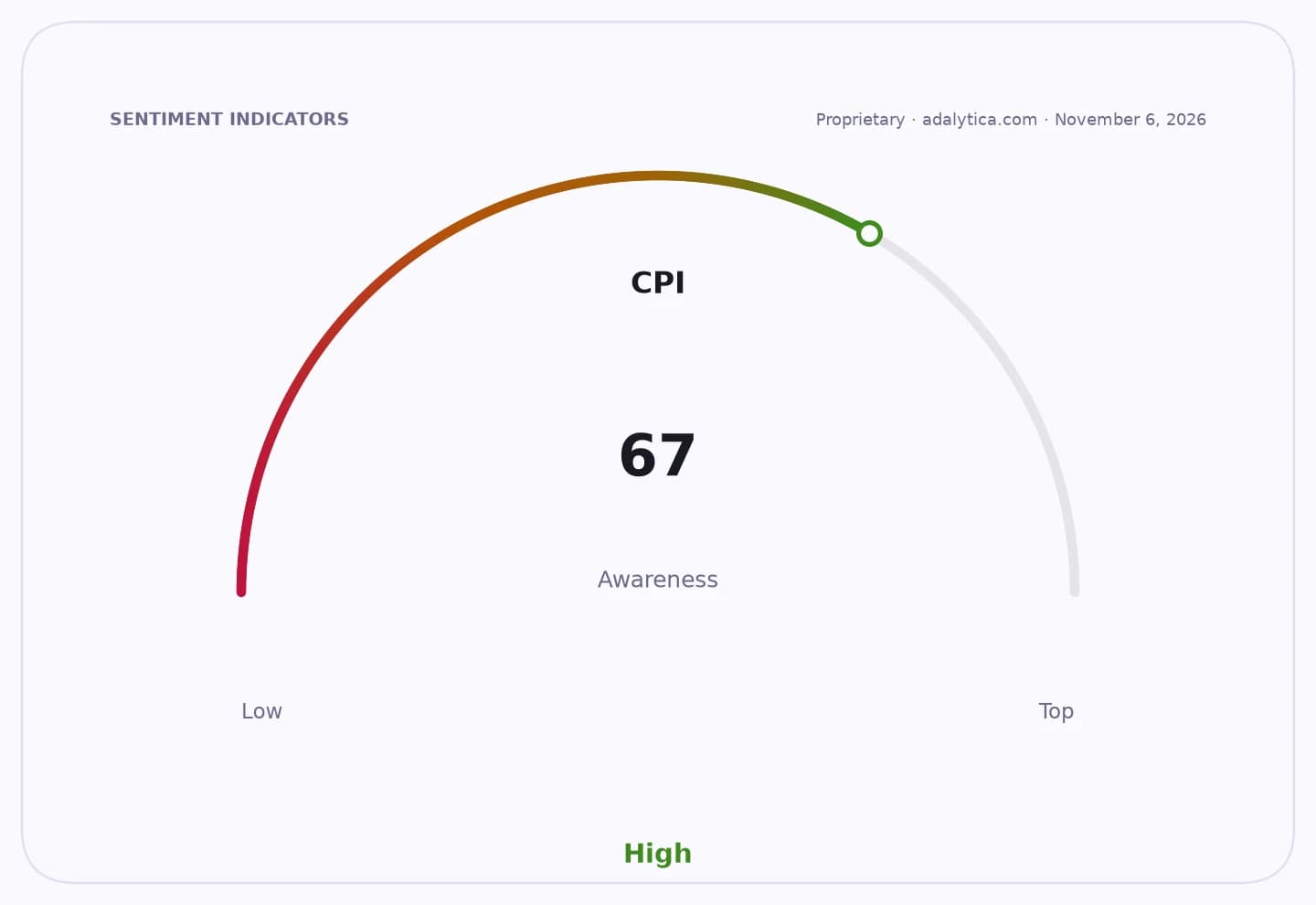
Sentiment Indicators
That matters economically because Turkey is still trying to engineer a soft landing from one of the world’s highest inflation rates without reigniting currency weakness or undoing gains in price stability. S&P has warned that an energy shock could add as much as 7 percentage points to inflation, a reminder that imported-cost risks remain a live threat. With rent, pensions and other administered prices still indexed to inflation, a sticky price path continues to feed through household budgets, wages and fiscal spending.
Investors are watching for the report’s signal on the policy mix. A more cautious inflation path would support expectations that the central bank keeps real rates elevated for longer, which is typically positive for the lira but a drag on credit growth, domestic demand and some bank borrowers. A softer tone, by contrast, could lift growth-sensitive equities in the short run but risk reviving pressure on the currency and inflation expectations.
CPI — 30-day sentimentadalytica.com
Explore this data interactively — full history, time series and cross-market comparisons.
Markets already show the tension. The lira has continued to weaken and was trading around 50.23 per dollar on 11 November, while the U.S. 10-year Treasury yield was near 4.88%, keeping global funding conditions relatively tight. Turkish stocks have also been volatile, with the Turkiye ETF recovering some ground after a sharp slide but still well below levels earlier in the year, reflecting investor caution over the inflation outlook and the policy response.
Karahan’s presentation will therefore be read less as a routine update than as a guide to how much patience policymakers still have. For bondholders and lira bulls, a credible reaffirmation of disinflation would matter most. For equities and borrowers, the key question is whether tighter policy can continue to suppress inflation without deepening the strain on growth.
| Entity | Gains | Losses |
|---|---|---|
| Lira bulls | ▲Higher real-rate support | ▼Faster easing hopes |
| Bondholders | ▲Credible disinflation path | ▼Inflation surprise higher |
| Turkish borrowers | ▲Lower rates later | ▼Prolonged tight policy |
| Domestic consumers | ▲Slower price growth | ▼Index-linked cost increases |