Turkey’s central bank is keeping a tight policy stance as it tries to protect a fragile slowdown in inflation, but officials say the next moves in prices will still be dictated largely by energy and unprocessed food costs.
Turkey Central Bank Keeps Tight Policy on Inflation

That message matters because Turkey’s disinflation path remains vulnerable to volatile imported energy, food supply shocks and a weakening lira, all of which can feed quickly into consumer prices. October inflation came in at 29.77%, below 30% for a second straight month, but the central bank is warning that the improvement is not yet broad-based enough to justify easing pressure too quickly.
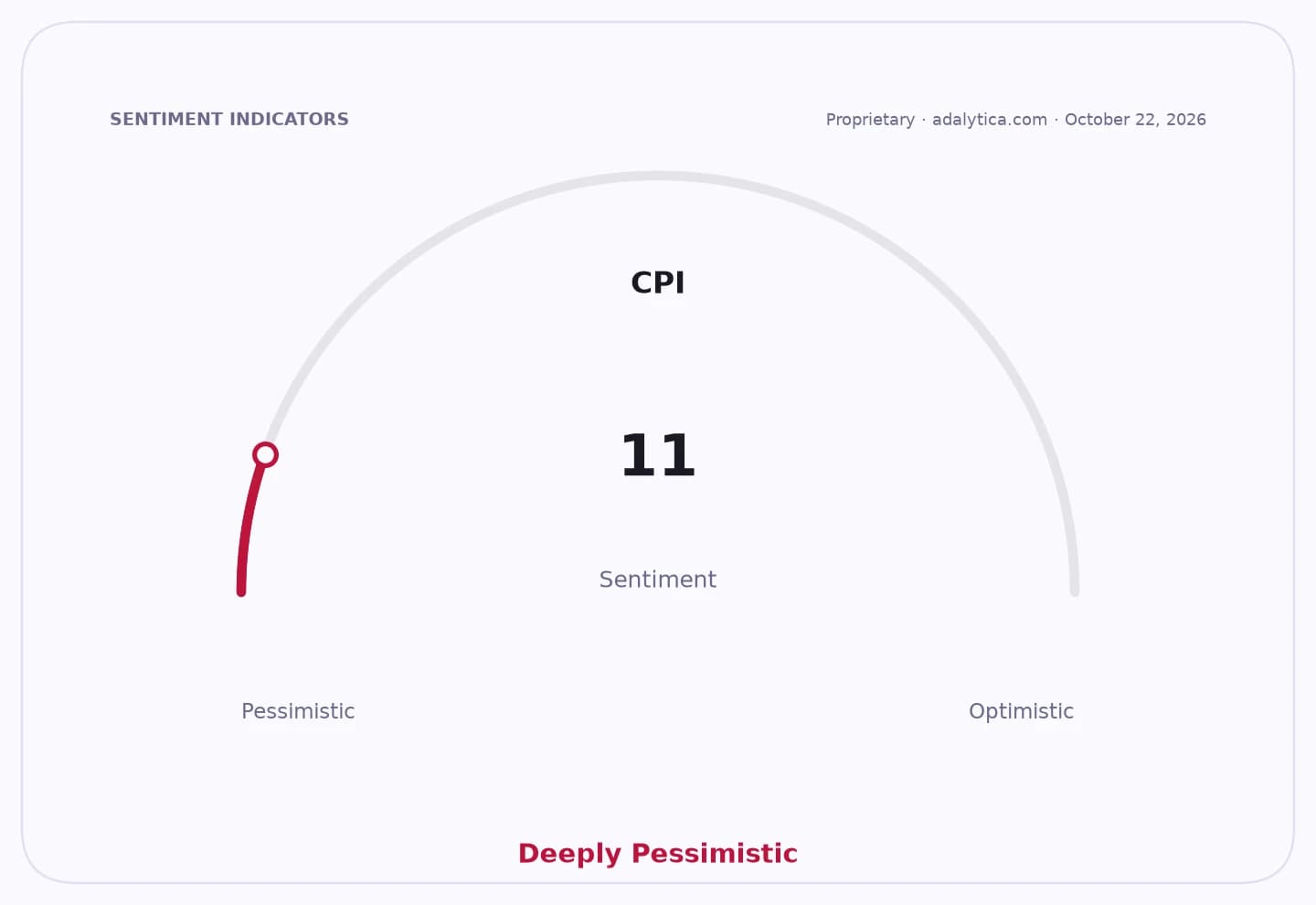
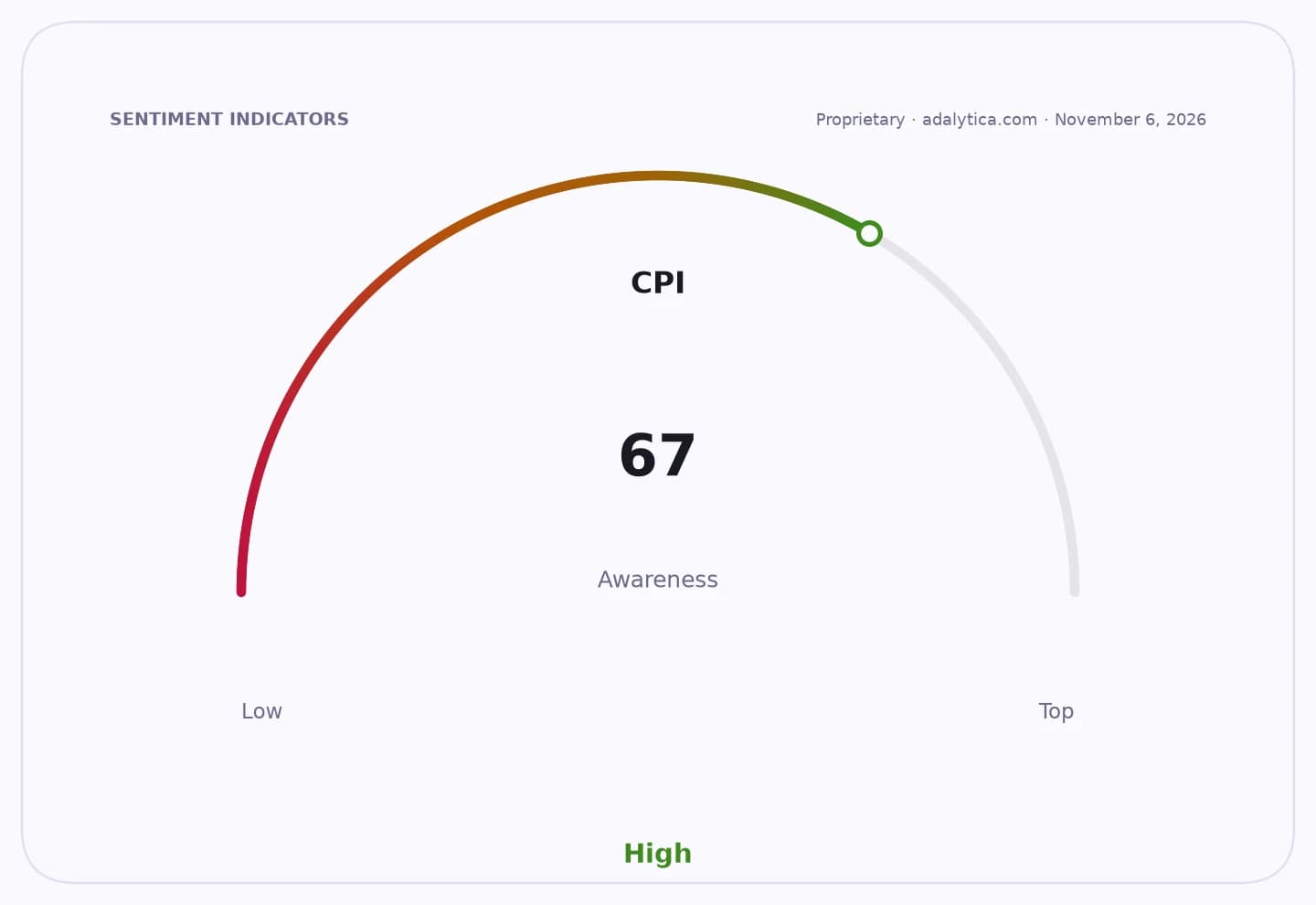
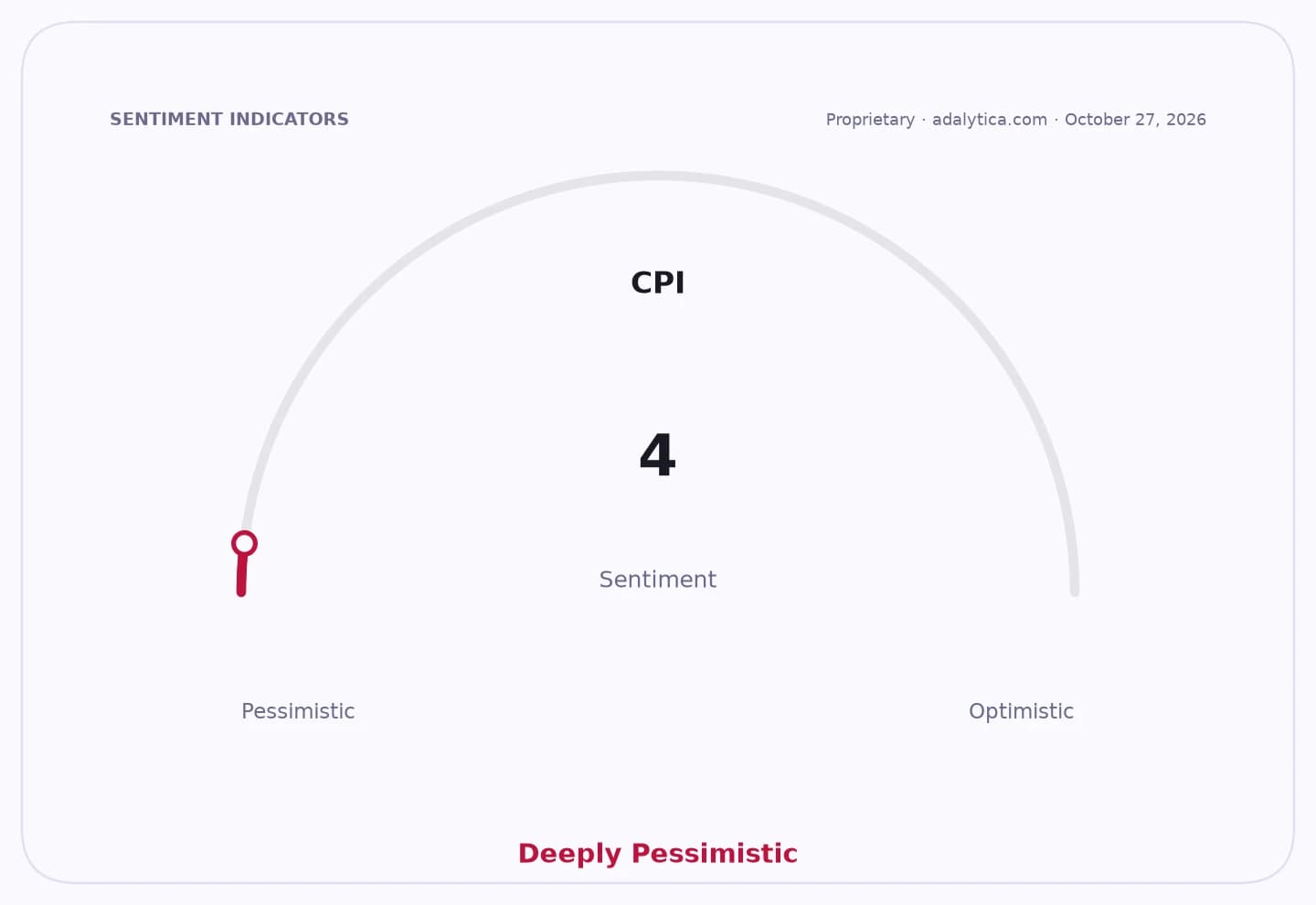
Sentiment Indicators
The currency market is underscoring that risk. The lira has fallen to historic lows near 50 per dollar as investors price in the possibility of interest-rate cuts, a move that would help growth but could also reignite imported inflation and complicate the central bank’s effort to bring annual price gains down from elevated levels.
For investors, the policy mix has immediate implications across Turkish assets. A tighter stance supports the lira and helps anchor inflation expectations, but it also keeps funding costs high for borrowers and weighs on domestic demand. Turkish equities have been under pressure as rate-cut hopes collide with persistent currency weakness, leaving the market sensitive to any sign that policymakers may ease before inflation is firmly on a downward path.
The central bank’s focus on energy and unprocessed food also points to the parts of the economy most exposed to external shocks, including global oil prices and supply disruptions. Brent’s pullback would help, but the broader inflation picture remains hostage to imported costs and exchange-rate volatility.
The next test is whether October’s sub-30% reading extends into year-end without a fresh lira slide. Any shift in oil prices, food inflation or policy guidance could quickly reset expectations for Turkey’s rate path and the outlook for local bonds, banks and the currency.
| Entity | Gains | Losses |
|---|---|---|
| Turkish central bank | ▲Inflation credibility | ▼Policy flexibility |
| Lira bulls | ▲Disinflation support | ▼Near-term gains if cuts come early |
| Turkish borrowers | ▲Lower rates later | ▼High financing costs now |
| Importers and consumers | ▲Slower price pass-through | ▼Energy and food inflation shocks |