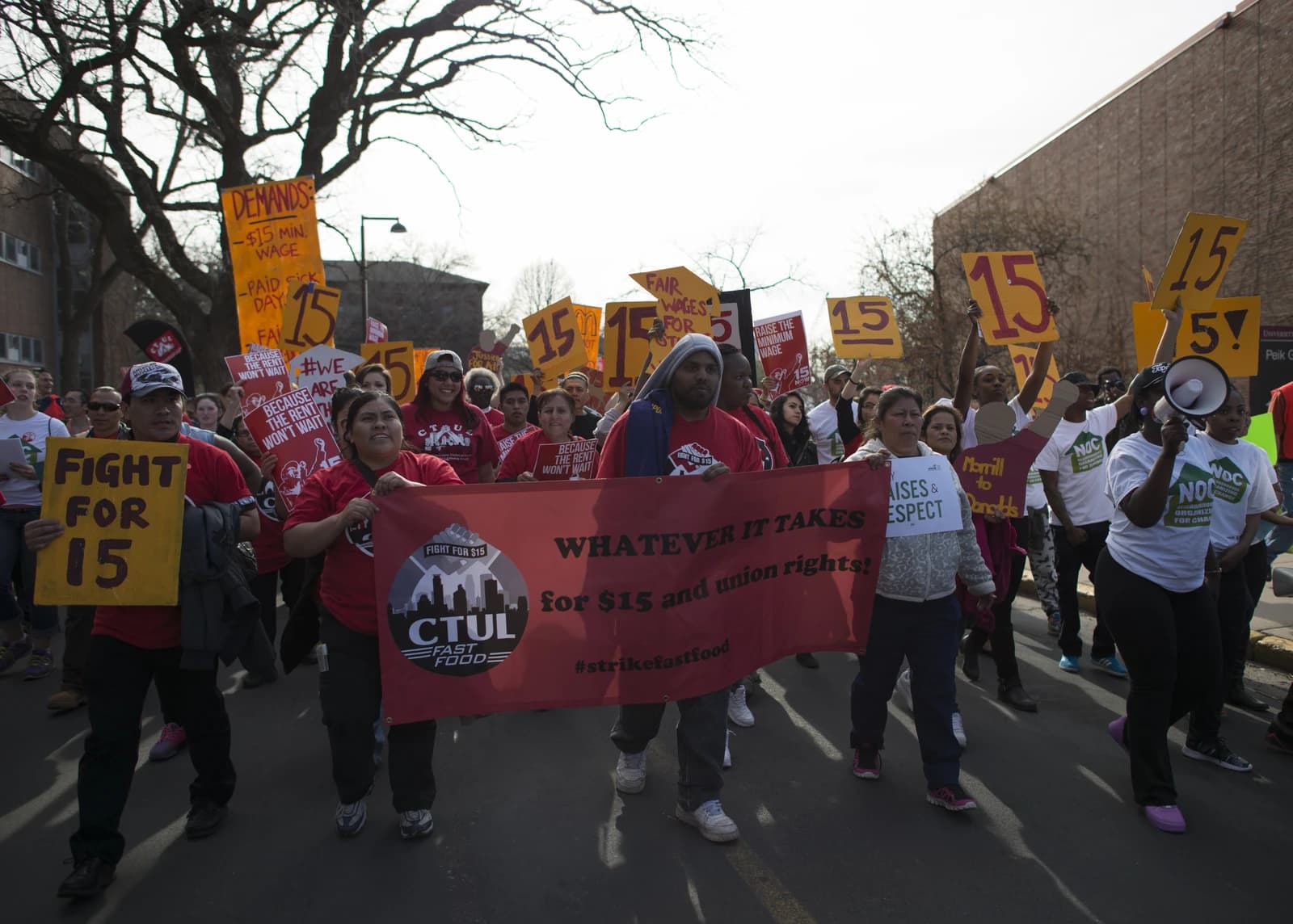
Turkey’s 2027 minimum-wage talks are centering on two competing pay calculations, with one scenario pointing to about 35,094 lira and another to roughly 36,498 lira, underscoring how the outcome will shape incomes for millions of workers and labor costs across the economy.
Turkey minimum wage talks center on 2027 raise
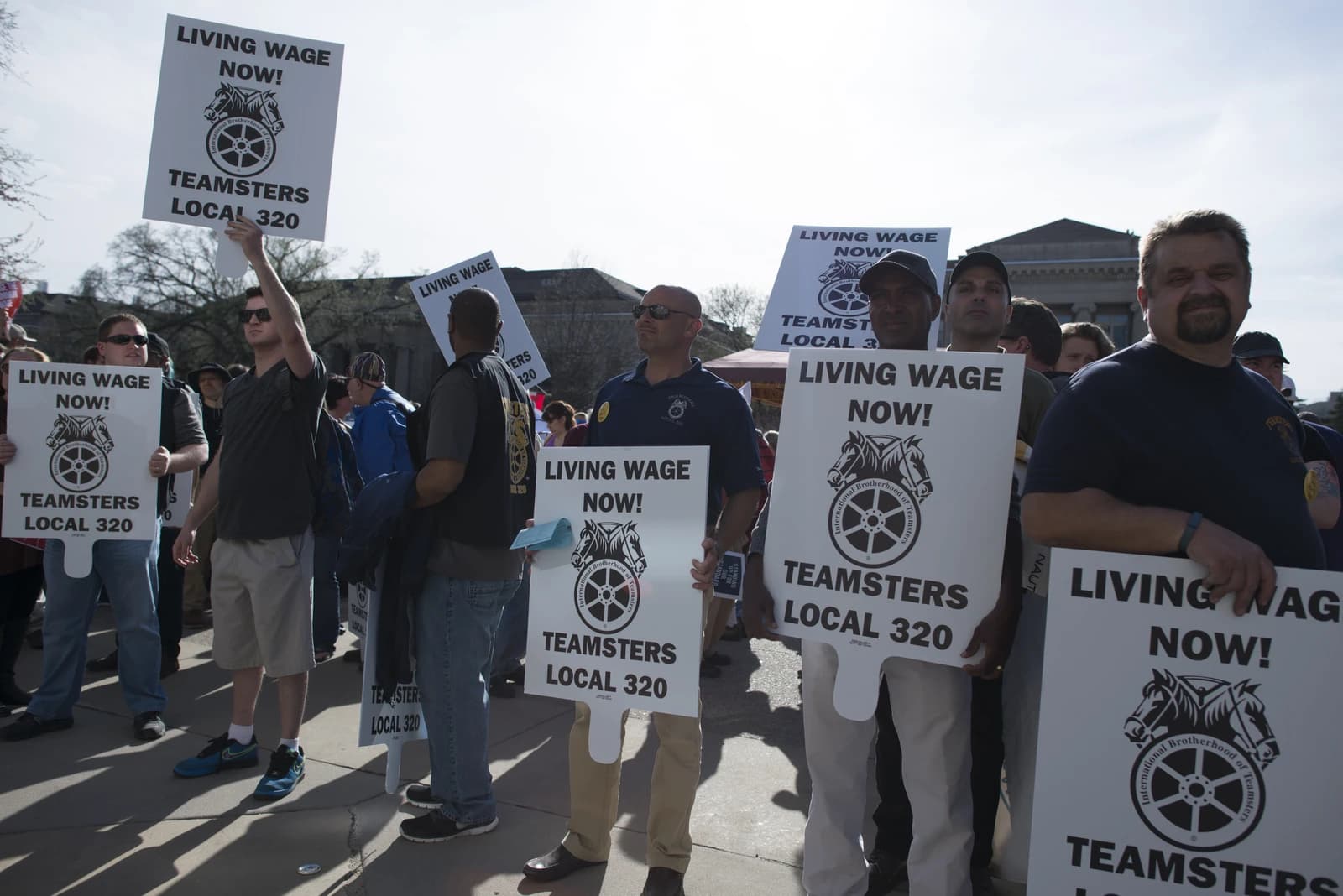
Economist Muhammet Bayram said he expects a raise of around 30%, which would lift the current minimum wage of 28,075 lira to about 36,500 lira. A more conservative approach, using the average of year-end inflation and next year’s 21% inflation target, would imply a rise of about 25%.
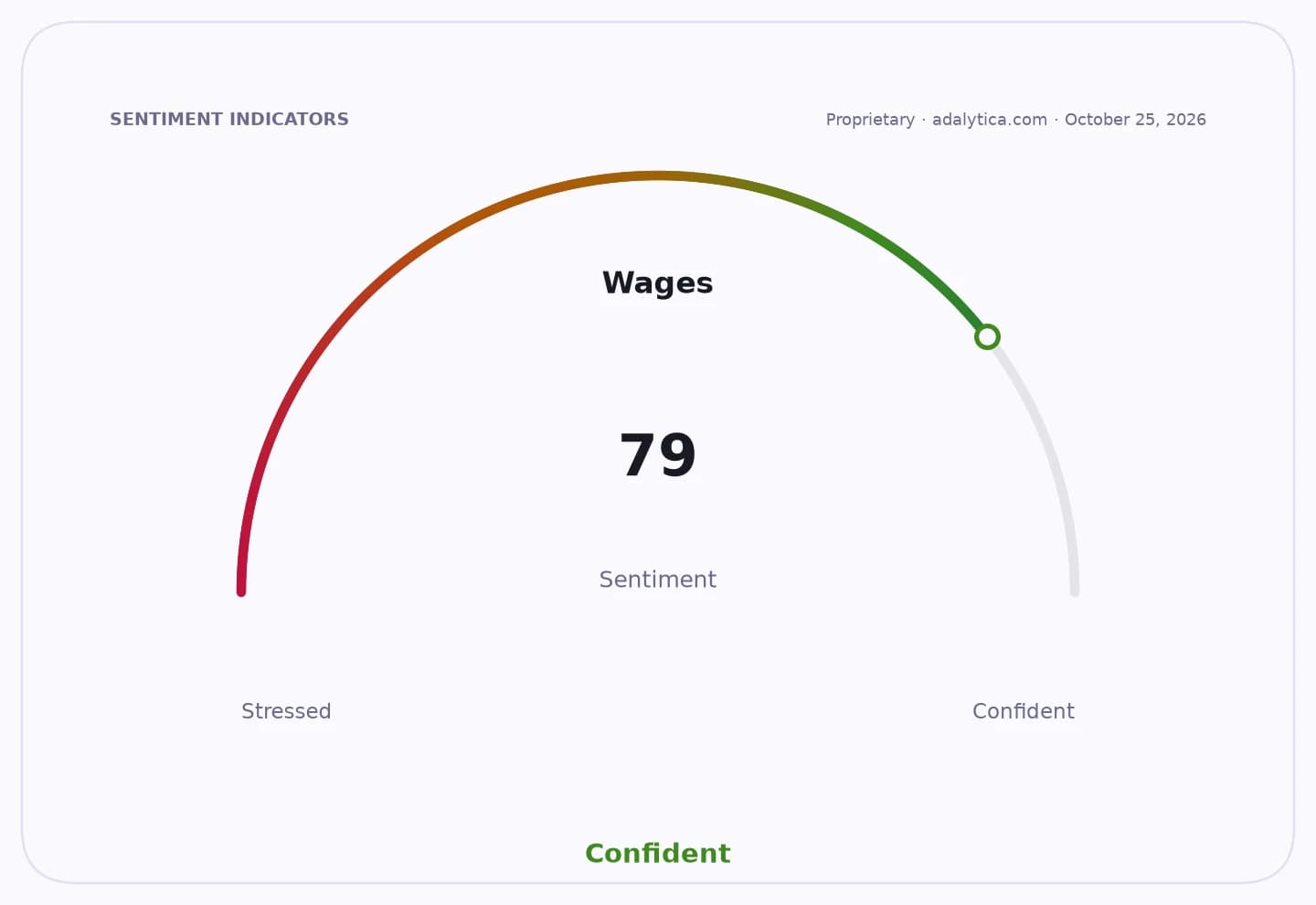
Sentiment Indicators
That difference matters because wages feed directly into household consumption in an economy where inflation remains the key political and market variable. Bayram said the debate should not stop at headline pay, arguing that tax relief, rent support, food and heating aid, and child-based tax breaks should also be on the table to protect purchasing power through the year.
The minimum wage is also a benchmark for private-sector pay, meaning any deal will ripple beyond low-income workers and into broader corporate payrolls. Employers are already warning that a sharper increase could squeeze margins, while labor representatives argue that smaller adjustments leave real incomes eroded by inflation.
CPI
Bayram also called for a review of Turkey’s minimum-wage support to employers, saying the current 1,270 lira monthly subsidy could rise to 1,500-1,600 lira. He renewed his push for a regional minimum wage system for large cities, where housing costs are higher, arguing that a one-size-fits-all policy does not reflect the cost of living gap across the country.
The negotiations now turn on whether policymakers anchor the increase to realized inflation, official targets or a compromise between the two. Any final formula will be watched not just by workers, but by investors gauging the next round of wage pressure, consumer demand and corporate cost inflation in Turkey.
| Entity | Gains | Losses |
|---|---|---|
| Workers | ▲Higher take-home pay | ▼Erosion if raise lags inflation |
| Employers | ▲Larger wage subsidy | ▼Higher payroll costs |
| Government | ▲Social pressure relief | ▼Tax revenue if exemptions expand |
| Private-sector companies | ▲Clearer wage benchmark | ▼Margin pressure from spillover hikes |