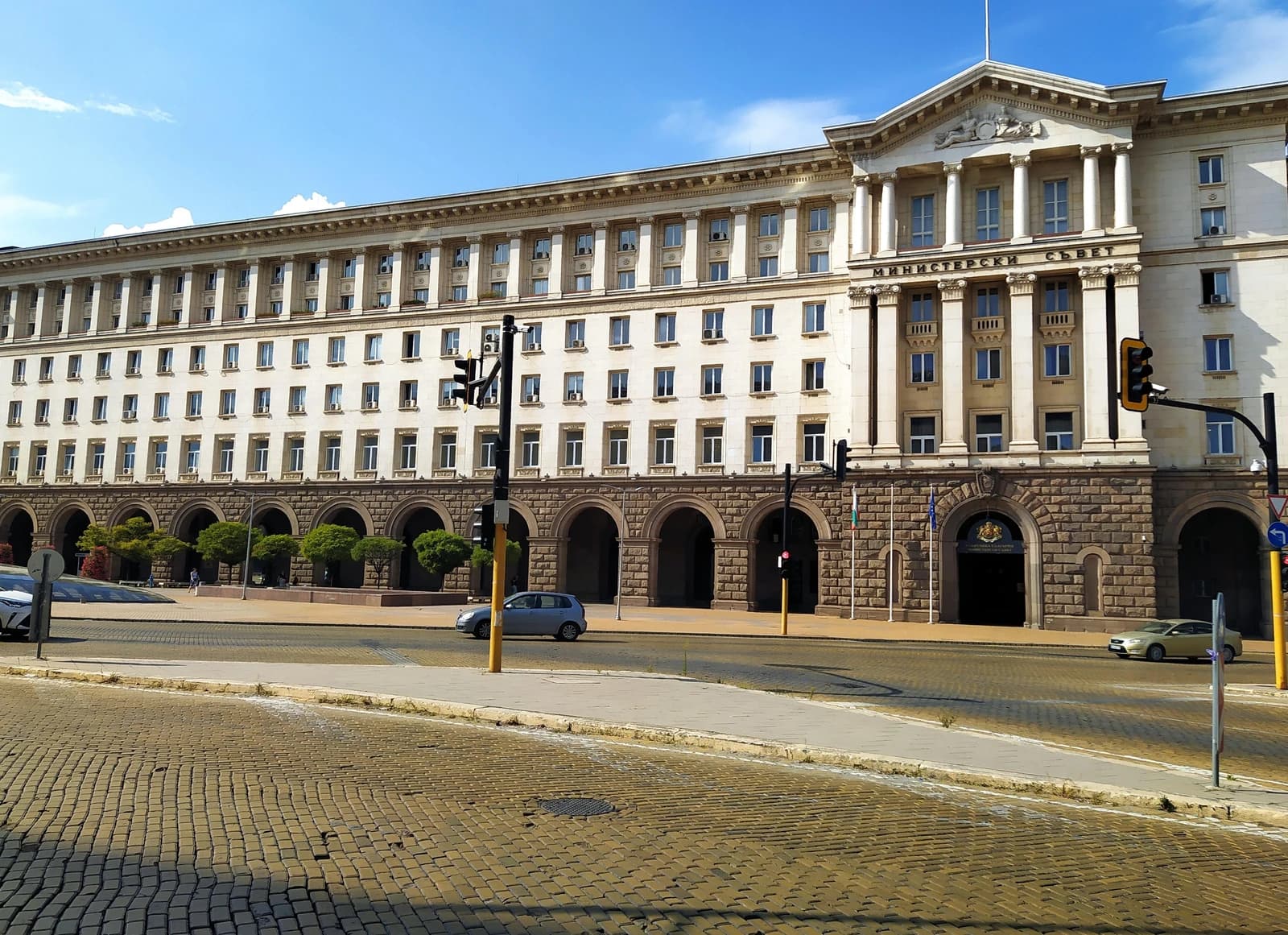
Bulgaria’s fight over the minimum wage is shifting from politics to methodology, with unions, employers and the government now battling over whether pay floors should be tied first to the cost of living or to broader labor-market indicators.
Bulgaria minimum wage debate shifts to cost of living
That matters because the formula will help decide how fast wages rise in 2027, how much pressure businesses face from higher labor costs and whether Bulgaria can narrow the gap between its pay levels and those in the rest of the European Union. At Sofia’s international conference, officials said the new mechanism will include the cost of living, but the key question is how it will be measured.
Labor and Social Policy Minister Natalia Efremova said recent changes to the Labor Code introduced a new minimum-wage mechanism designed to preserve social dialogue rather than impose an automatic formula. She said the state is now preparing a methodology for the cost of living, which would become one of the factors in setting the wage floor.
For unions, that methodological debate is the real prize. Plamen Dimitrov, president of Bulgaria’s Confederation of Independent Trade Unions, said employers had sought to minimize the process and keep wage growth subdued. He said Bulgaria still lacks an official measure of living costs, leaving room for disputes over what counts as a fair minimum. The International Labour Organization has had its own methodology since 2021, updated this year, but member states have not adopted it, he said.
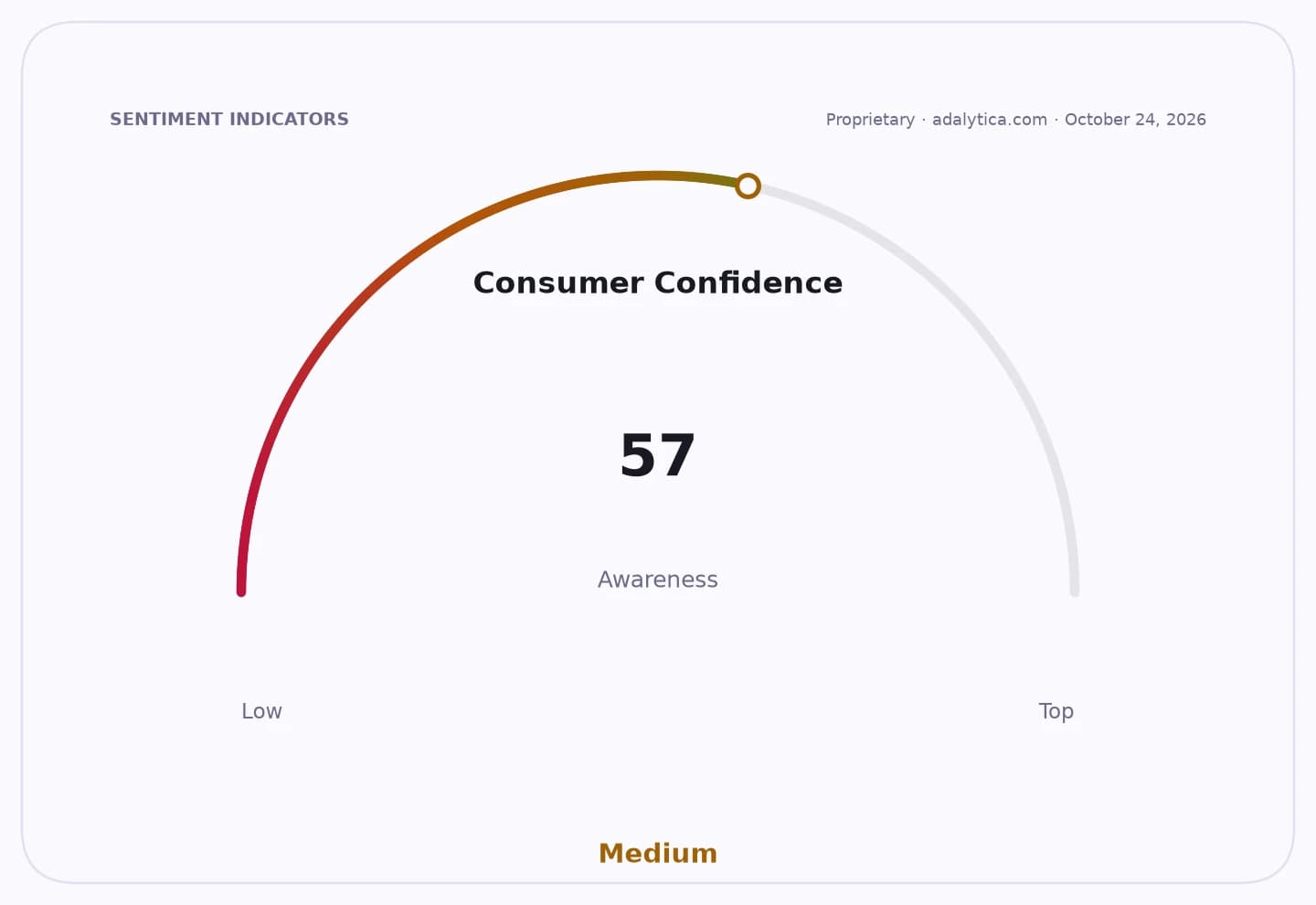
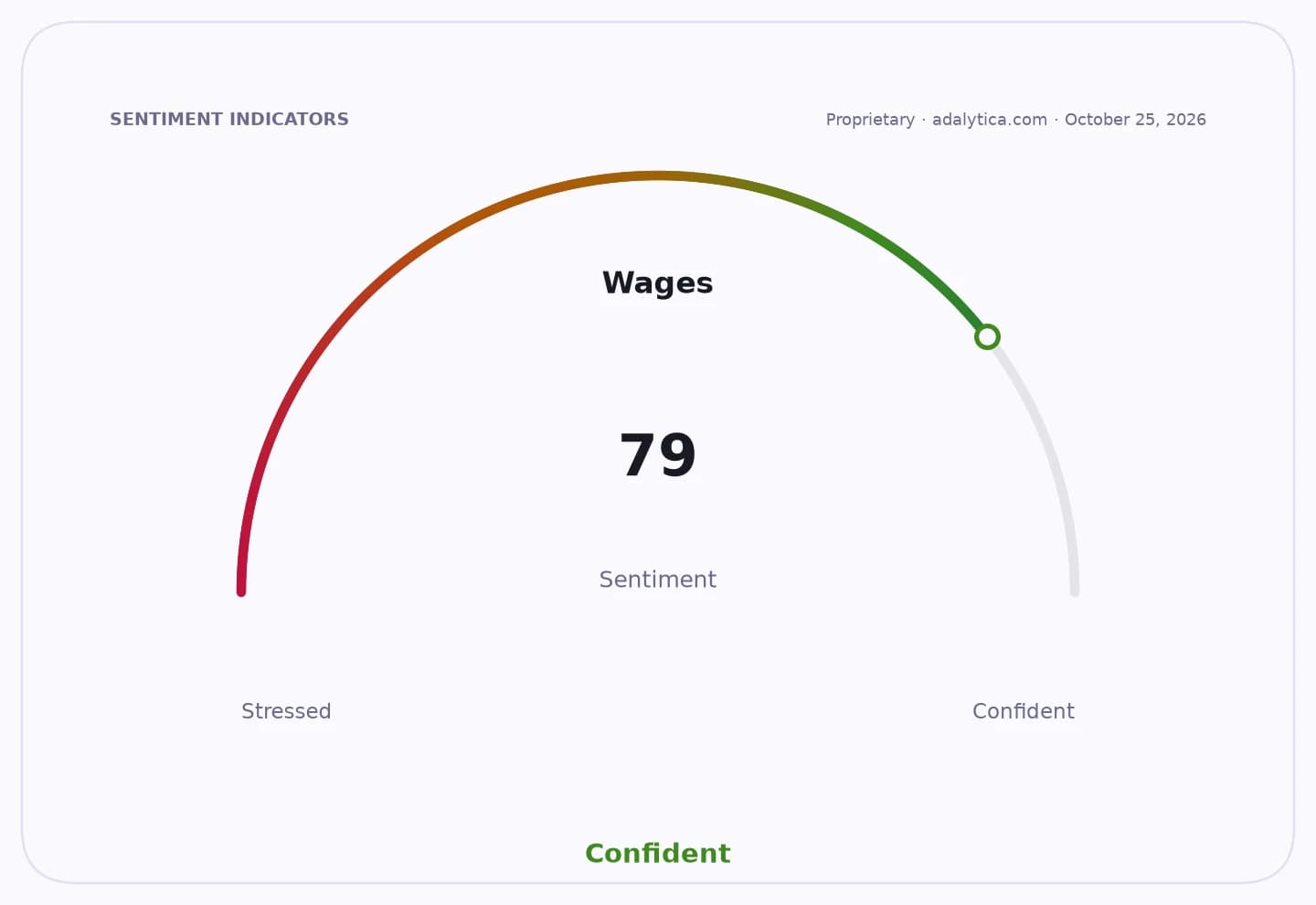
Wages — 30-day sentimentadalytica.com
Explore this data interactively — full history, time series and cross-market comparisons.Open AlphaPulse
The stakes are high in a country where the minimum wage remains the lowest in Europe and the Balkans, according to labor economist Atanas Katsarchev of the Podkrepa labor confederation. Dimitrov said Bulgaria’s minimum wage is 620 euros, while his union calculates that a single working person needs 828 euros net to cover living costs. That gap underlines why the issue is more than a wage-setting exercise: it is a test of how Bulgaria manages inequality, household consumption and competitiveness at the same time.
The European level also matters. Tea Jark, confederal secretary at the European Trade Union Confederation, said the EU minimum wage directive aims to reduce the number of working poor and push member states toward higher pay convergence. She pointed to Slovenia as a positive example, where the minimum wage is updated regularly. Her comments reflect a wider European push to make wage floors less arbitrary and more responsive to inflation and household needs.
For investors, the policy direction points to a likely rise in labor costs, especially for employers reliant on low-wage workers. That is positive for consumer spending if pay growth keeps pace with prices, but it can squeeze margins in labor-intensive sectors and intensify pressure on smaller companies that have less room to absorb higher payrolls. The debate also comes as Bulgaria weighs tax policy and budget distortions, making wage-setting part of a broader macro discussion rather than a standalone labor issue.
From a market perspective, the story fits a region where inflation has cooled from peak levels but the cost-of-living shock remains embedded in wage negotiations. In the U.S., for example, price and labor-market data still show how sticky pay and living-cost dynamics can be even when unemployment is low. In Bulgaria, the question is whether the government can set a minimum wage formula that raises incomes without triggering the kind of business disruption employers fear.
The next catalyst is the 2027 negotiation round. If unions succeed in restoring the cost-of-living benchmark as the primary guide, the minimum wage could move closer to household spending needs. If employers prevail, wage growth may remain more constrained, preserving business margins but leaving real incomes under pressure.
| Entity | Gains | Losses |
|---|---|---|
| Low-wage workers | ▲Higher take-home pay | ▼Slower wage gains if talks stall |
| Employers | ▲Predictable labor costs | ▼Margin pressure from higher payrolls |
| Bulgarian government | ▲Stronger social dialogue | ▼Political friction over wage setting |
| Consumers | ▲More household income | ▼Higher prices if costs are passed through |