Turkey’s central bank resumed easing after a nine-month pause, cutting its policy rate to 36% as inflation continues to cool, a move that could support growth but also keeps pressure on the lira and local assets.
Turkey Central Bank Cuts Rate to 36%
The decision marks a turning point in Ankara’s monetary campaign. After five straight meetings on hold, policymakers are signaling they believe the disinflation trend is firm enough to justify a lower rate, even though Turkey is still running one of the world’s highest benchmark rates. For the economy, the cut should ease financing costs for companies and households that have spent much of the past year under punishing borrowing conditions. For investors, it reinforces the trade-off that has defined Turkey: lower rates may help activity, but they can also revive currency weakness and undermine the inflation fight if credibility slips.
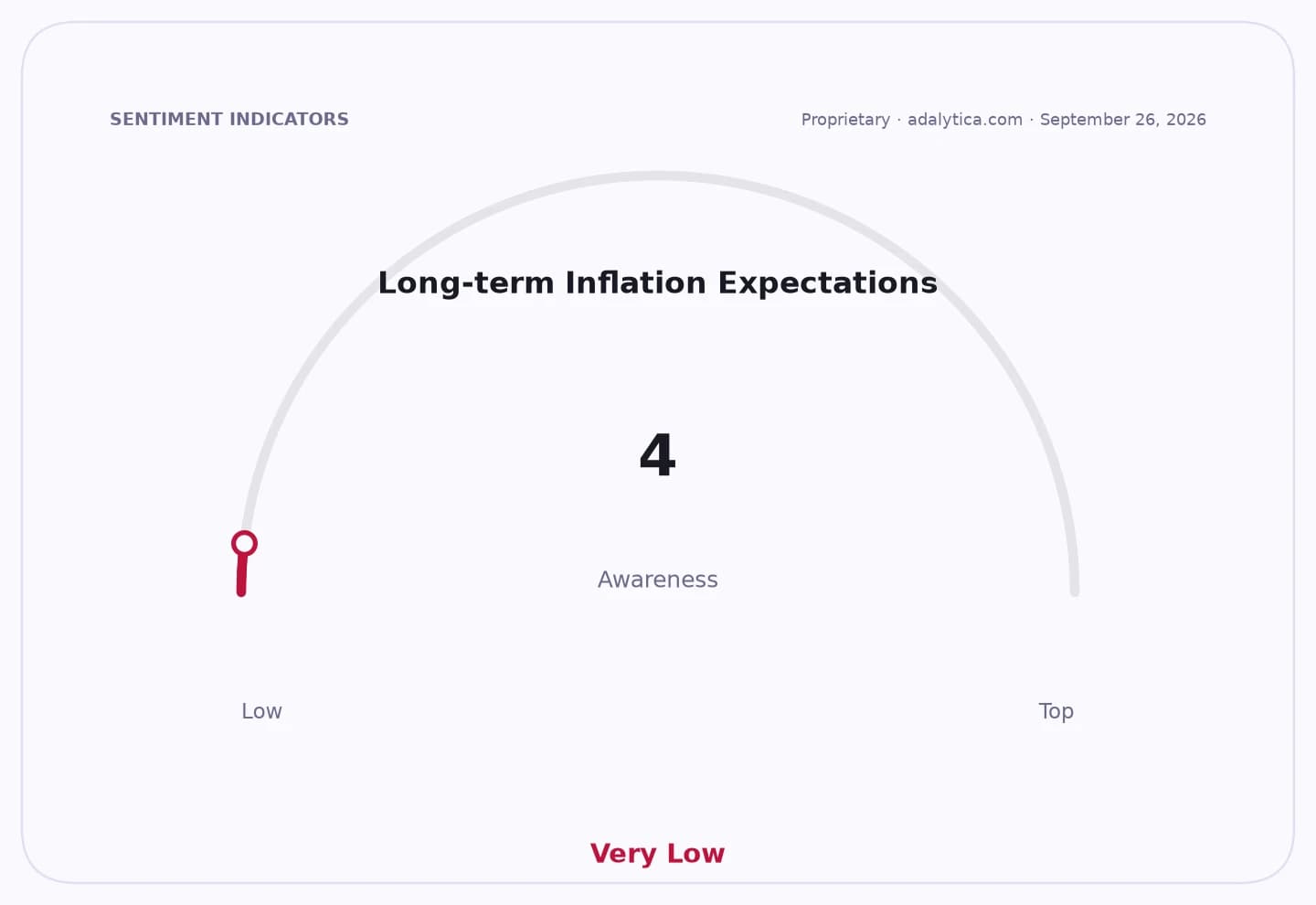
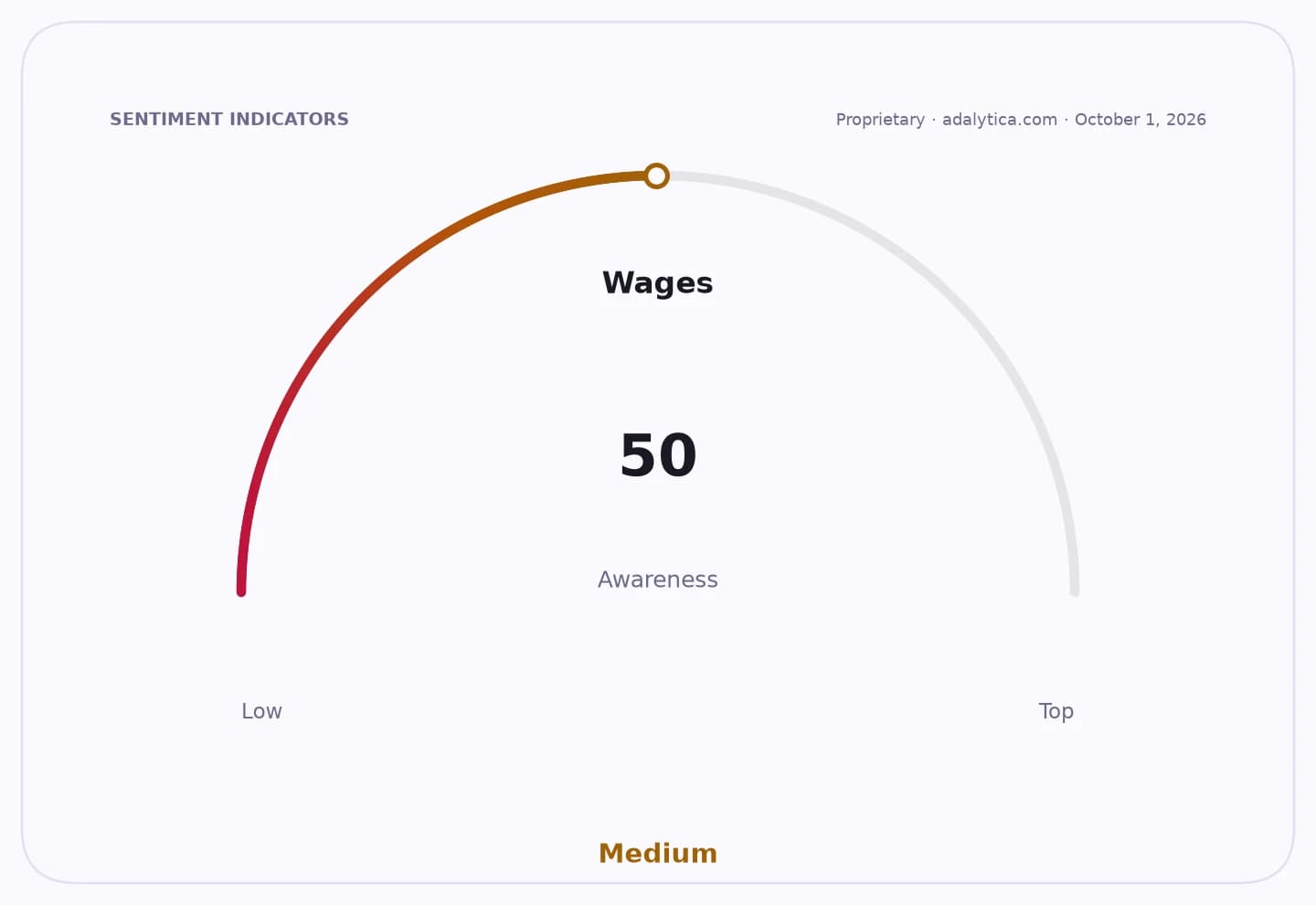
Sentiment Indicators
That balance matters because Turkey’s recovery remains fragile. The central bank has spent months trying to restore confidence in lira assets after years of policy volatility, and any easing cycle will be judged first by its impact on the currency. If the move accelerates depreciation, imported inflation could return quickly, forcing policymakers to reverse course or tolerate weaker real yields. That is why Turkish equities and hard-currency assets often react less to the headline rate itself than to what the cut implies for the path ahead.
The market backdrop already reflects that tension. The iShares MSCI Turkey ETF has fallen to around 30.77 after a sharp slide from earlier in the year, with its 50-day moving average now well above the share price and RSI readings deep in oversold territory, underscoring how cautious investors remain on Turkish risk. Broader emerging-market exposure has held up better, but Turkey continues to stand out as a high-beta story where monetary easing can quickly become a currency test.
For investors, the key is not whether Turkey is finally cutting rates — it is whether this marks the start of a controlled, credibility-preserving easing cycle or the opening of another round of stop-start policy. If inflation keeps falling and the central bank manages the lira, local assets could stage a sharp rebound from depressed levels. If not, the cut will look like another short-term growth boost that comes at the expense of the currency and real returns. In Turkey, that distinction is everything.
| Entity | Gains | Losses |
|---|---|---|
| Turkish borrowers | ▲Lower financing costs | ▼ |
| Turkish exporters | ▲ | ▼Potentially stronger lira pressure on competitiveness |
| Lira bulls | ▲ | ▼Easier policy, weaker carry appeal |
| Turkish equities | ▲Growth support if inflation stays contained | ▼Currency volatility and credibility risk |