Turkey’s central bank cut its policy rate by 100 basis points to 36% on Thursday, restarting an easing cycle after holding fire in September and signaling that lower inflation is giving policymakers room to support growth.
Turkey central bank cuts policy rate to 36%
The move, delivered by the Central Bank of the Republic of Turkey under Governor Fatih Karahan, brings the one-week repo rate down from 37% and matches market expectations. It is the first rate reduction in nine months and comes as inflation has slowed to its lowest level in nearly five years, easing pressure on policymakers who spent most of the year prioritizing price stability and currency defense.
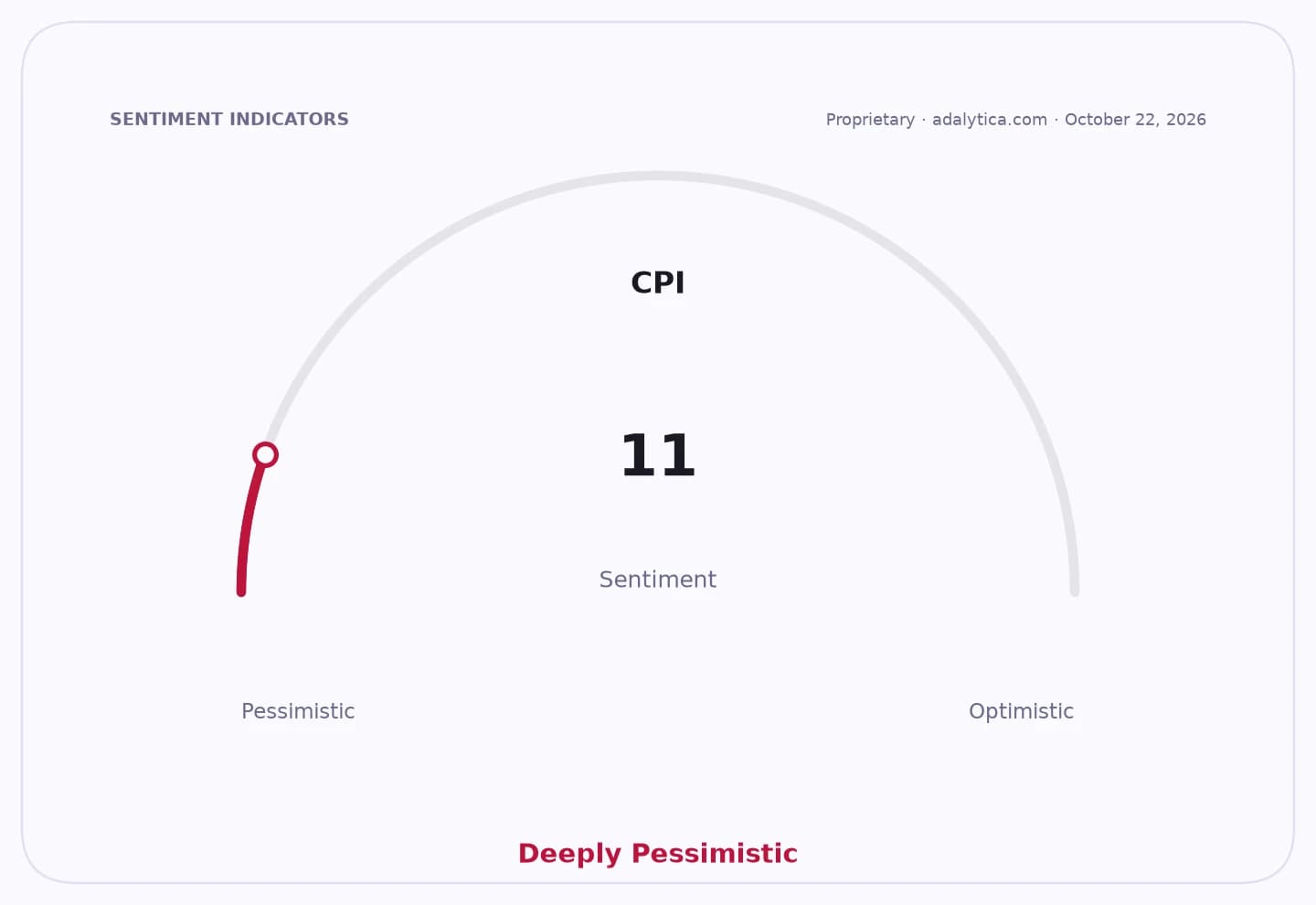
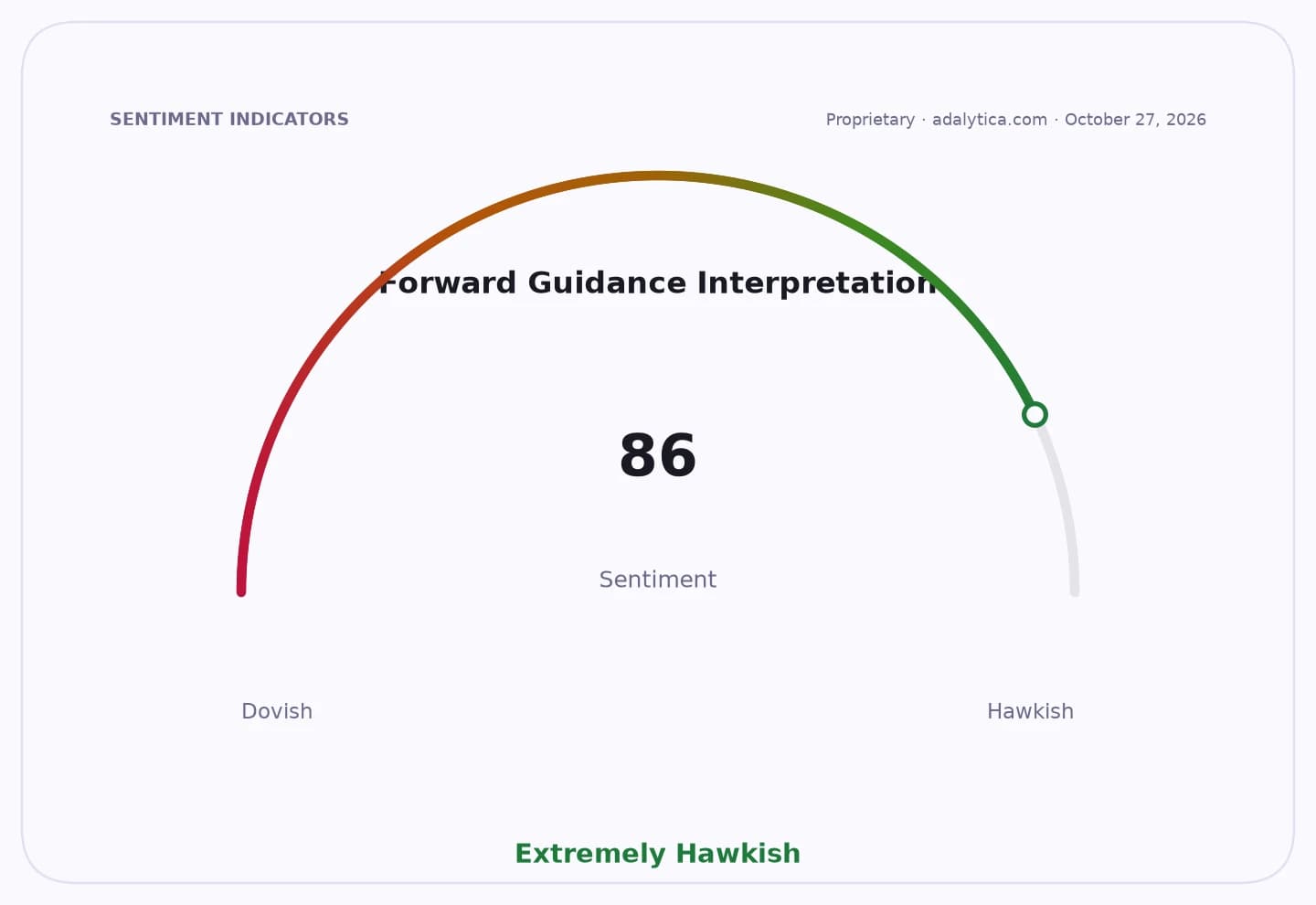
Sentiment IndicatorsⓘProprietary · adalytica.com · October 26, 2026
This is a snapshot — live sentiment, awareness and momentum for 130+ markets update continuously in the dashboard.Open AlphaPulse
For the economy, the cut should feed through to borrowing costs, deposit pricing and credit conditions, with implications for consumption, investment and bank lending margins. A lower policy rate also matters for Turkey’s government debt market and the lira, because investors will be watching whether easing continues without reigniting inflation or volatility in the currency.
The decision is likely to resonate across local assets. Borsa Istanbul investors tend to favor lower rates because they can improve liquidity and support valuations, while savers and lira holders may be more cautious if the easing pace accelerates. The central bank’s tone in its statement will matter as much as the cut itself, especially any guidance on inflation, the pace of future reductions and whether December brings another move.
A 100-basis-point cut was already broadly priced in, which may limit the immediate market reaction. But if policymakers sound more confident on disinflation, traders could extend bets on additional easing; if the bank stresses caution, the lira and bond market may take it as a sign that the cycle will remain gradual.
The next catalyst is the central bank’s forward guidance and the next set of inflation data, which will determine whether Thursday’s cut marks the start of a sustained easing phase or just a limited adjustment.
| Entity | Gains | Losses |
|---|---|---|
| Borrowers | ▲Lower financing costs | ▼Lenders’ pricing power |
| Turkish equities | ▲Support from easier policy | ▼Rate-sensitive cash holdings |
| Households with debt | ▲Cheaper credit | ▼Savers earning high deposit rates |
| Turkish lira | ▲Stability if easing stays measured | ▼Pressure if cuts deepen faster than expected |