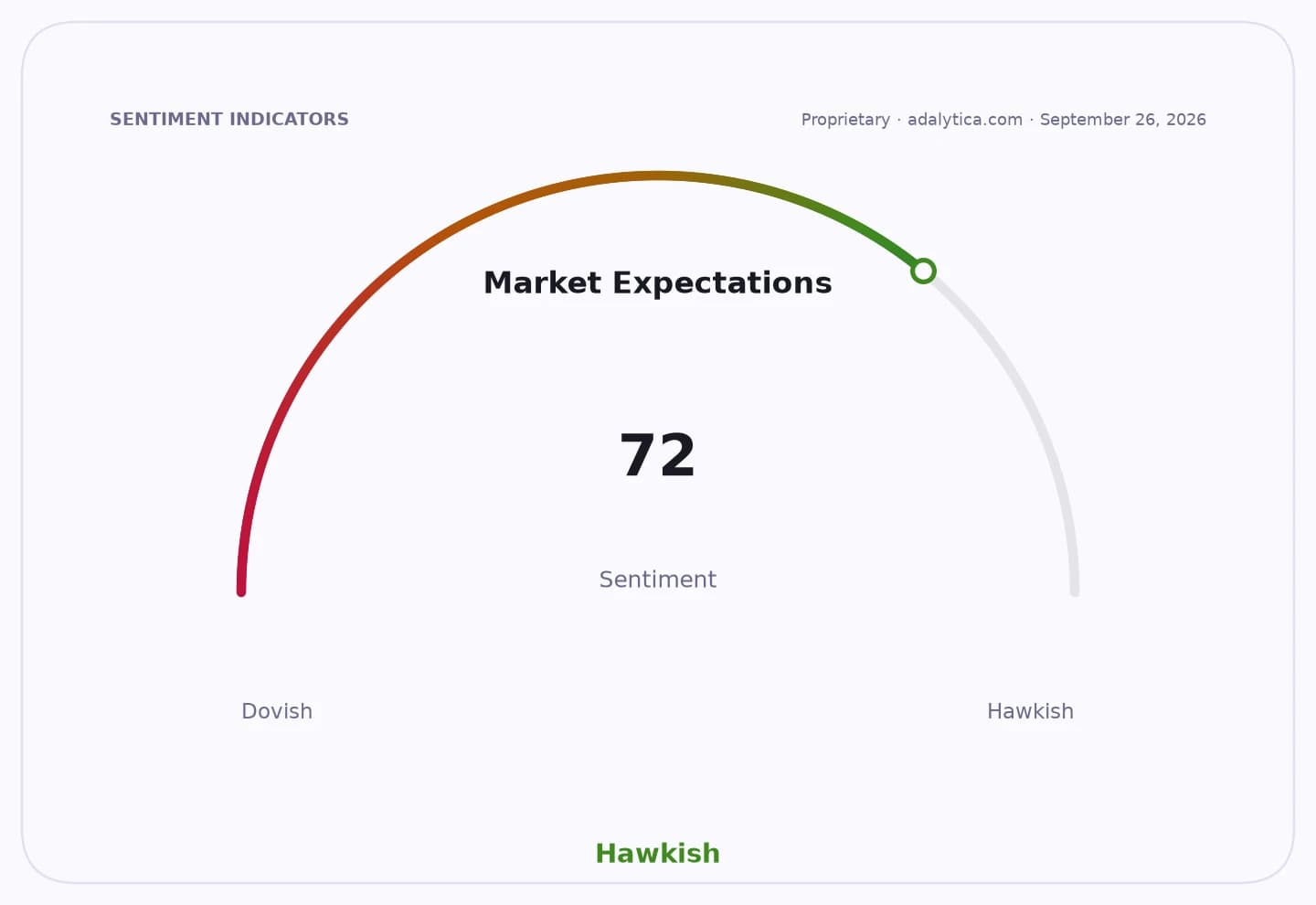
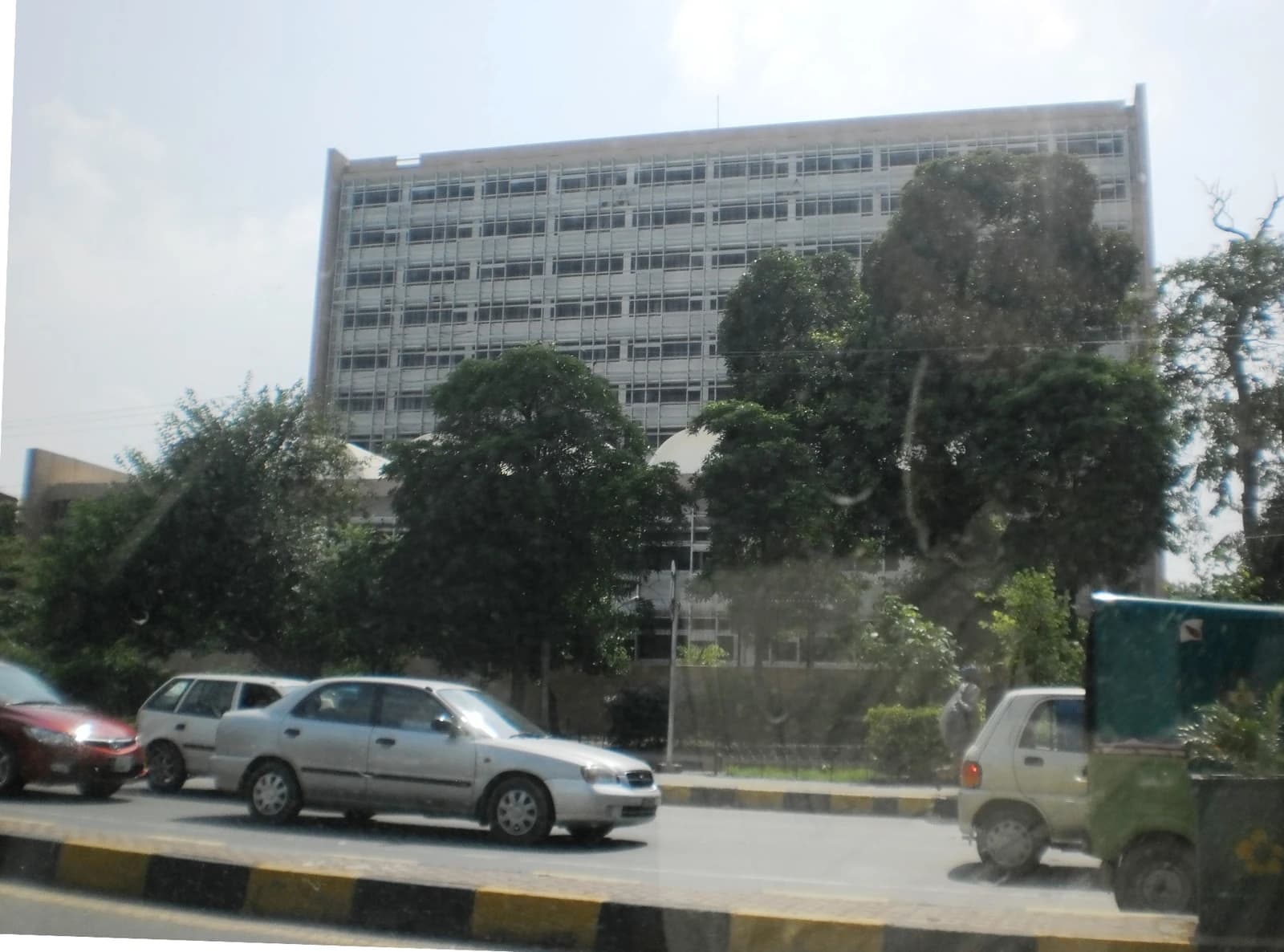
Pakistan’s central bank is widely expected to raise its key policy rate when it meets on Oct. 26, a move that would underscore how stubborn inflation and external vulnerabilities are still forcing the State Bank of Pakistan to keep monetary policy tight.
Pakistan SBP Seen Raising Rates on Oct. 26
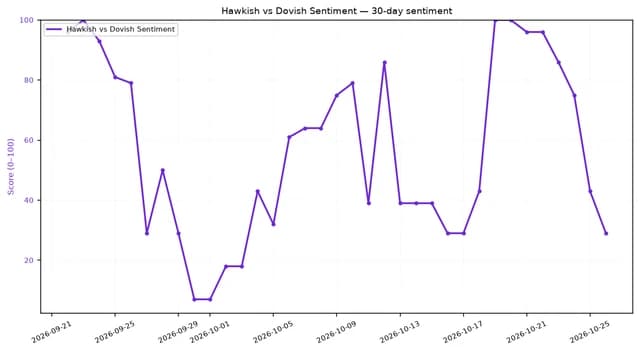
A market survey cited by local media showed 61% of participants expect the SBP to lift rates, with 54% forecasting a 50 basis-point increase and 7% looking for a full percentage-point hike. The remaining 39% see the central bank holding at 11.5%, where it has stayed since the previous meeting on Sept. 14.
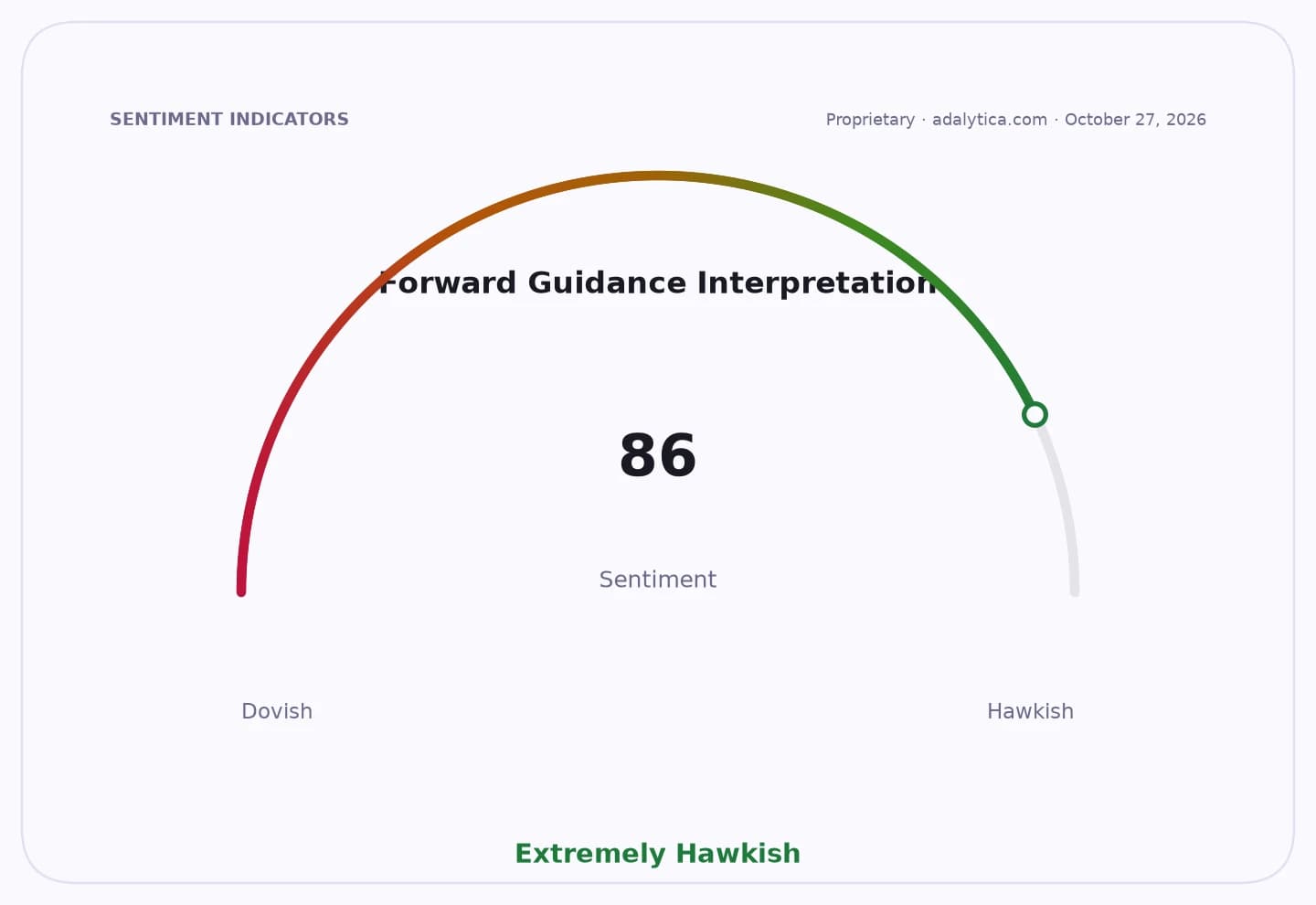
Sentiment IndicatorsⓘProprietary · adalytica.com · October 27, 2026
This is a snapshot — live sentiment, awareness and momentum for 130+ markets update continuously in the dashboard.Open AlphaPulse
The decision matters because it will shape borrowing costs for businesses and households at a time when Pakistan is trying to balance disinflation, currency stability and growth. A higher policy rate would help defend the rupee and contain price pressures, but it would also keep credit expensive for manufacturers, consumers and leveraged firms already dealing with weak demand.
The case for tightening has been reinforced by the inflation backdrop. The data context points to consumer prices remaining elevated, with the latest readings still above the central bank’s comfort zone and expectations for October CPI only marginally softer. That keeps the SBP boxed in even as a stronger policy rate can cool domestic demand and support the currency by improving the relative attractiveness of rupee assets.
For investors, the immediate focus is on the repricing of domestic bonds, bank lending rates and earnings sensitivity across rate-exposed sectors. Higher policy rates generally support net interest margins for lenders, but they can weigh on loan growth, corporate investment and discretionary consumption. Importers and highly geared companies are among the most exposed if the SBP opts for another increase.
The broader backdrop remains one of caution. Pakistan has spent much of the year trying to stabilize prices, restore confidence in the rupee and keep external accounts under control, while global rates remain restrictive. Local market sentiment clearly leans toward a hawkish outcome, but the split in the survey shows the SBP still has room to pause if it judges that inflation is easing fast enough.
The October 26 meeting will therefore be less about whether the central bank is still tightening and more about how long it intends to keep policy restrictive. Any guidance from Governor Jameel Ahmad’s post-meeting briefing will be closely watched for clues on the peak rate and the timing of any eventual easing cycle.
| Entity | Gains | Losses |
|---|---|---|
| Pakistani banks | ▲Wider lending spreads | ▼Slower credit demand |
| Rupee holders | ▲Higher yield support | ▼Firmer policy uncertainty |
| Borrowers/corporates | ▲— | ▼Higher financing costs |
| Inflation fighters | ▲Tighter price control | ▼Softer growth momentum |