Turkey’s vice president says the government will expand housing supply through social housing and rental social housing projects, a move aimed at improving affordability and helping fight inflation by easing one of the economy’s most persistent price pressures.
Turkey housing supply plan to expand social rentals

The message matters because housing costs feed directly into household budgets and, over time, broader inflation expectations. In Turkey, where officials are trying to slow price growth without choking activity, more state-backed supply in both sale and rental markets is being framed as a supply-side tool rather than a demand stimulus.
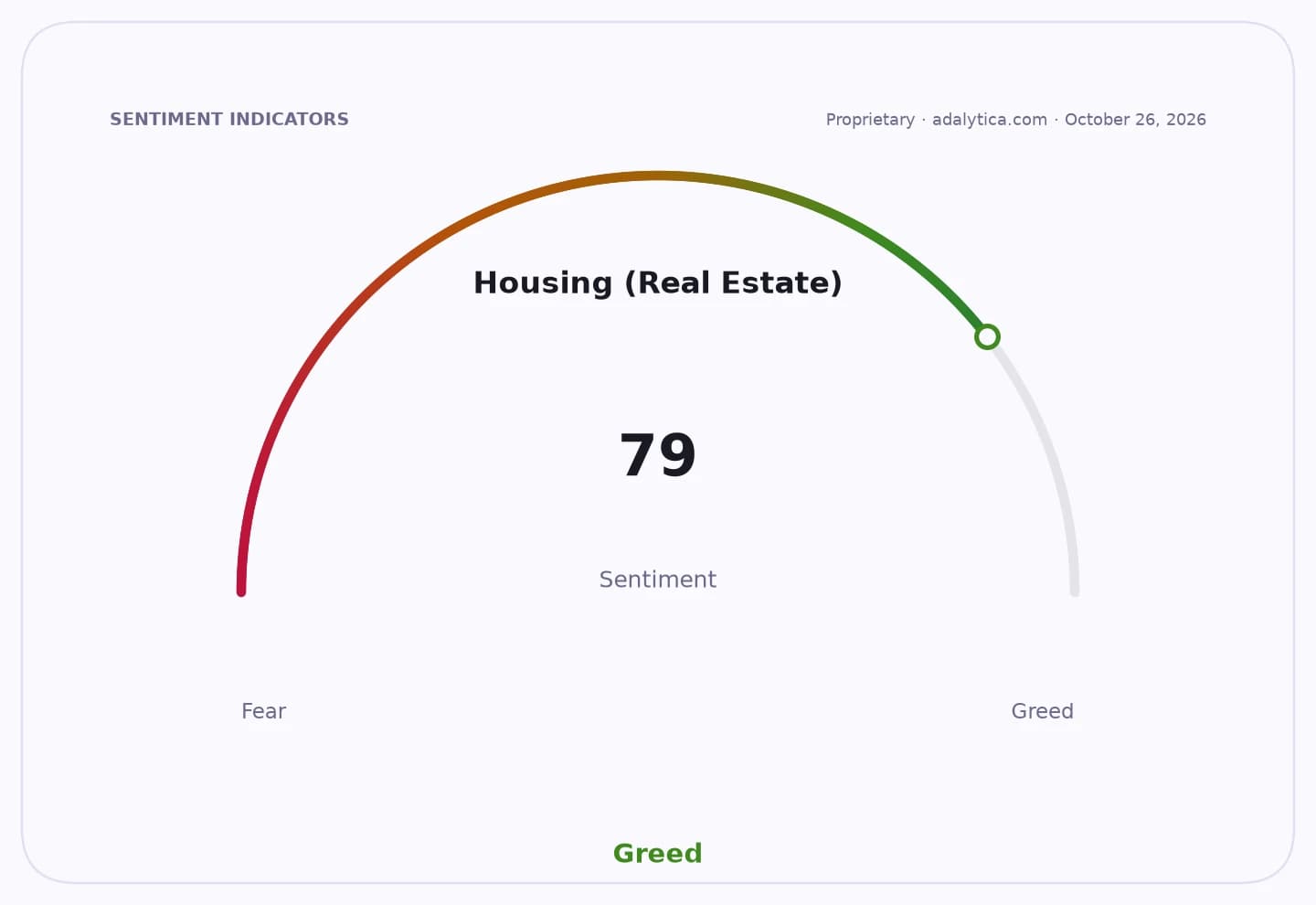
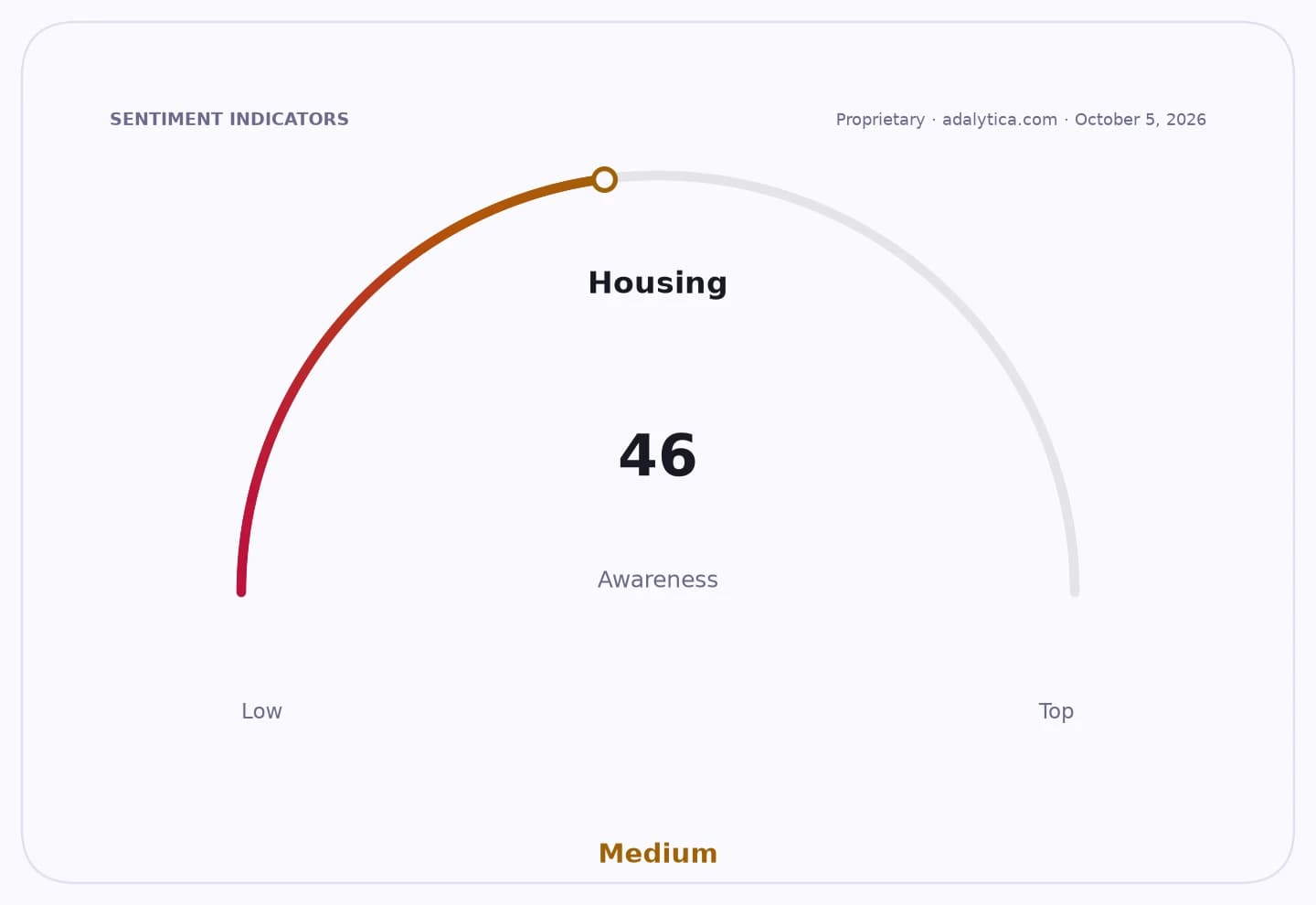
Sentiment Indicators
The policy pitch also lands in a global housing backdrop that remains under pressure from higher rates and sticky prices. Recent U.S. data showed the S&P CoreLogic Case-Shiller home price index still rising 0.12% in July, while the latest CPI reading stood at 336.298 in September, underscoring how shelter costs remain a key inflation component even as some markets soften.
Investors have reason to watch the housing angle closely. U.S. homebuilder ETFs have been volatile, with ITB last at $89.87, below its 200-day moving average of $95.58, while XHB closed at $97.95, also under its 200-day average of $104.73, reflecting caution around demand, financing costs and affordability. Treasury bonds have also been firm, with TLT ending at $81.68 and above its 50-day average, as markets position for slower growth and possible policy shifts.
For Turkey, the key question is whether state-backed construction can add enough units to cool rents and prices without straining public finances or taking too long to filter through the market. The program could help lower inflation at the margin if it lifts supply meaningfully, but investors will want details on timing, financing and scale before assigning much macro impact.
| Entity | Gains | Losses |
|---|---|---|
| Turkish households | ▲Better rental access | ▼Short-term price relief may lag |
| Turkish government | ▲Inflation-fighting credibility | ▼Fiscal and execution risk |
| Homebuilders/landlords | ▲Potential project demand | ▼Pricing power may ease |
| Inflation-linked assets | ▲Lower inflation expectations | ▼Less upside from sticky housing costs |