Turkey’s opposition to rising living costs is moving back to the center of economic policy, with the Nationalist Movement Party calling for higher minimum wages, larger pensions and a broad reset of social security rules that would raise fiscal pressure on Ankara while easing household strain.
Turkey MHP calls for higher wages and pensions

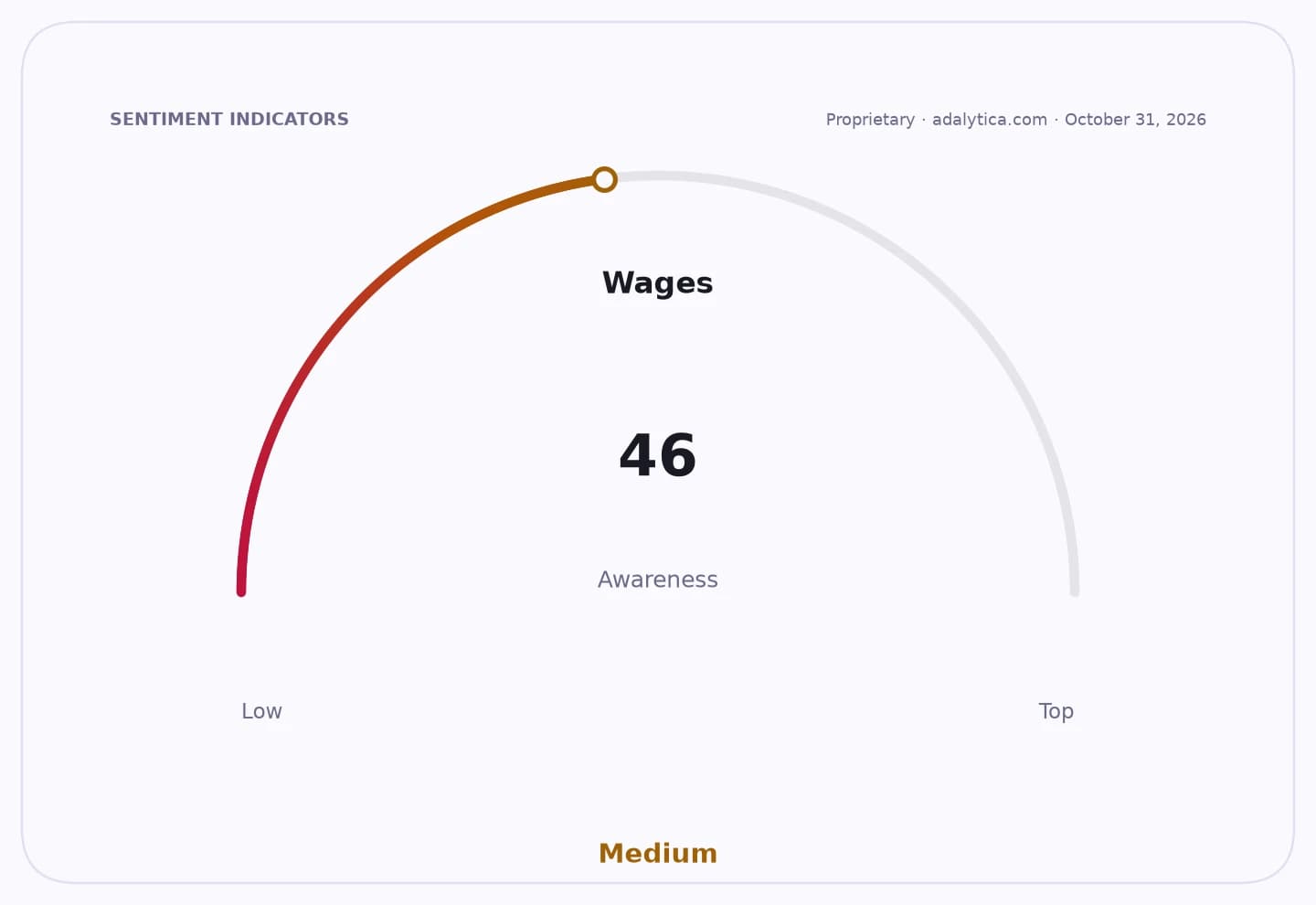
Speaking in parliament’s budget committee, MHP deputy chairman and Konya lawmaker Mustafa Kalaycı said many retirees cannot make ends meet on current benefits and argued that pensions should be increased through legal changes that better reflect contribution history. He also urged the government to lift the net minimum wage above the poverty threshold in 2027 and to provide support for rent and transport in major cities.
Sentiment Indicators

The proposal matters because it speaks directly to Turkey’s most politically sensitive macro variable: the balance between household purchasing power and inflation control. Any upward revision to minimum pay and pensions would support consumption among lower-income households, but it would also increase public spending and could feed wage-setting expectations across the economy if firms pass on higher labour costs.
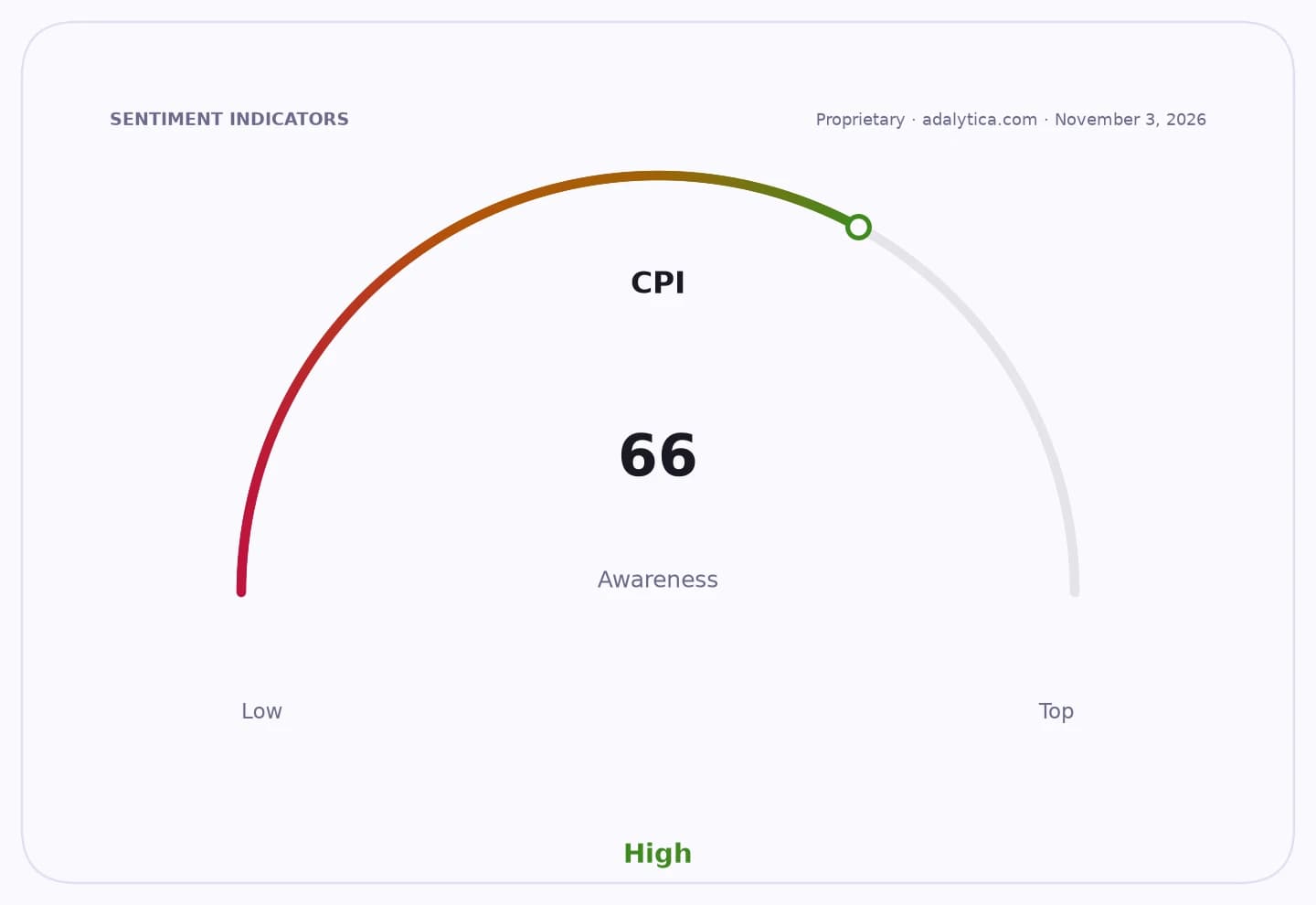
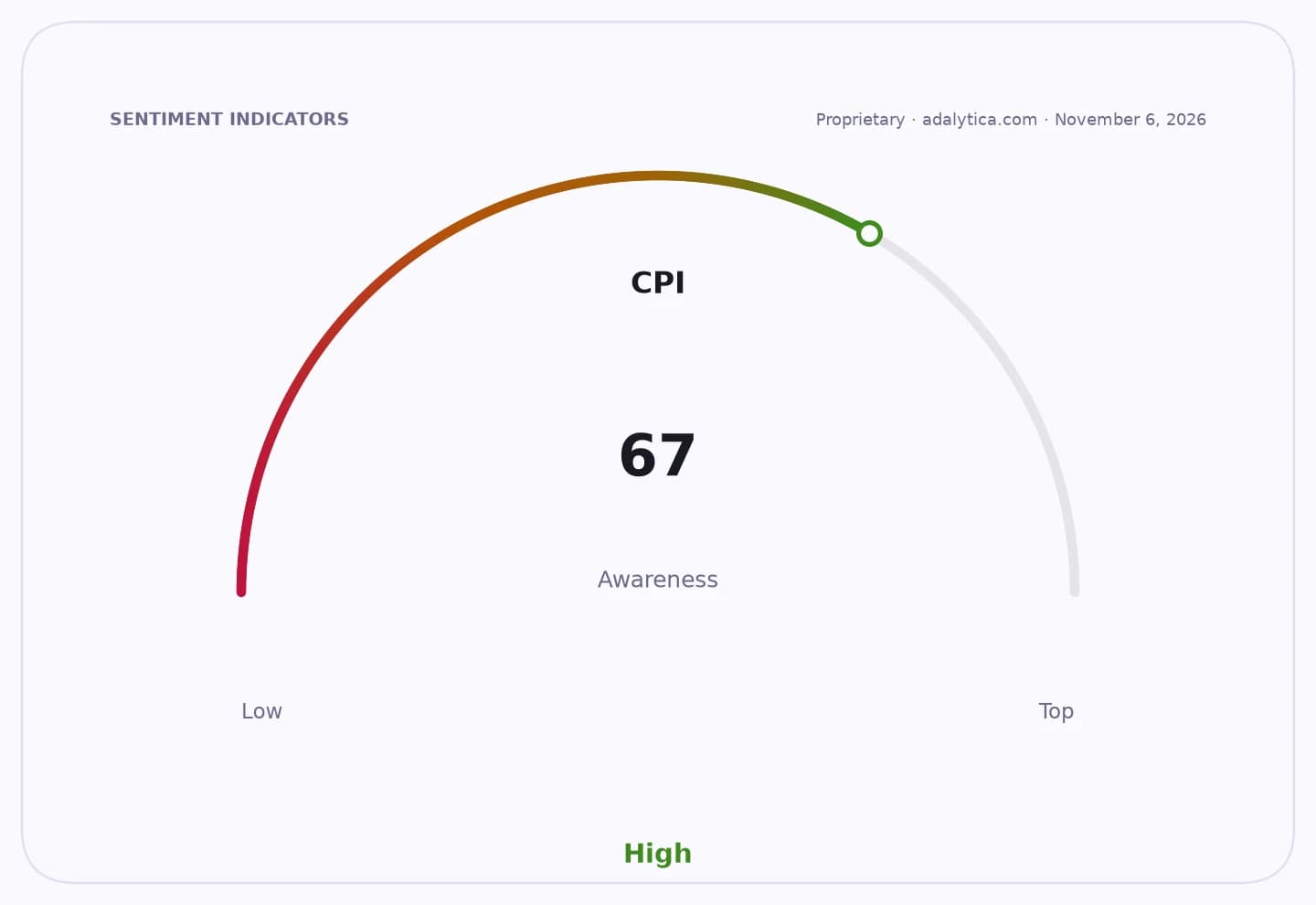
Kalaycı’s intervention adds pressure ahead of the 2027 wage round, when policymakers are already expected to face demands for a larger adjustment after years of elevated inflation. Official consumer prices have eased from their peaks but remain well above levels that would leave minimum wage earners or pensioners comfortably protected, and the government has repeatedly leaned on social transfers and one-off pension top-ups to contain discontent.
CPI
The MHP’s stance is notable because the party is a key political ally of President Recep Tayyip Erdogan’s governing bloc, giving the call more weight than a routine opposition demand. It also reflects a broader push from parts of the political establishment to soften social security rules, including lowering the Bağ-Kur contribution threshold from 9,000 to 7,200 days and revisiting the formulas used to calculate pension entitlements.
For investors, the issue is less about the headline promise of higher incomes than about what it implies for fiscal discipline, inflation persistence and consumer demand. Retailers, consumer-facing firms and banks tied to domestic spending could benefit if real incomes improve, while bondholders and currency markets will focus on whether any package is funded through the budget or through broader tax and borrowing measures.
The policy debate also intersects with Turkey’s labour market and social security system, where a larger share of workers and retirees have long argued that contribution records do not translate cleanly into adequate benefits. If Ankara moves toward a more generous pension formula or a sharper minimum-wage increase, it would help households in the near term but complicate the central bank’s disinflation effort and the treasury’s medium-term financing arithmetic.
The likely path is incremental rather than sweeping. Still, with minimum wage and pension decisions increasingly framed as social protection rather than discretionary policy, investors should expect the 2027 budget and wage-setting cycle to become a key test of how far policymakers are willing to trade fiscal restraint for political and social stability.
| Entity | Gains | Losses |
|---|---|---|
| Low-income workers | ▲Higher take-home pay | ▼Wage restraint |
| Pensioners | ▲Larger monthly income | ▼Fixed-benefit erosion |
| Turkish treasury | ▲Political relief | ▼Higher spending burden |
| Inflation fighters | ▲More clarity if reforms are phased | ▼If wage gains spill into prices |