Turkey’s 2027 wage and pension reset is coming into view, with early market talk pointing to a roughly 25% minimum wage increase and only single-digit pension adjustments for many retirees — a mix that would preserve fiscal discipline but do little to ease the squeeze on households.
Turkey 2027 wage and pension hikes in focus

The numbers matter because wages and pensions are not just social policy in Turkey; they are a transmission channel for inflation, consumption and political risk. If the minimum wage rises to around 35,000 lira from 28,075 lira, as one expert estimate suggests, it would set the floor for millions of workers and influence pay packets well above the legal minimum across the private sector. But a 25% raise would still lag the cost of living in an economy where headline inflation remains high enough to keep real incomes under pressure.
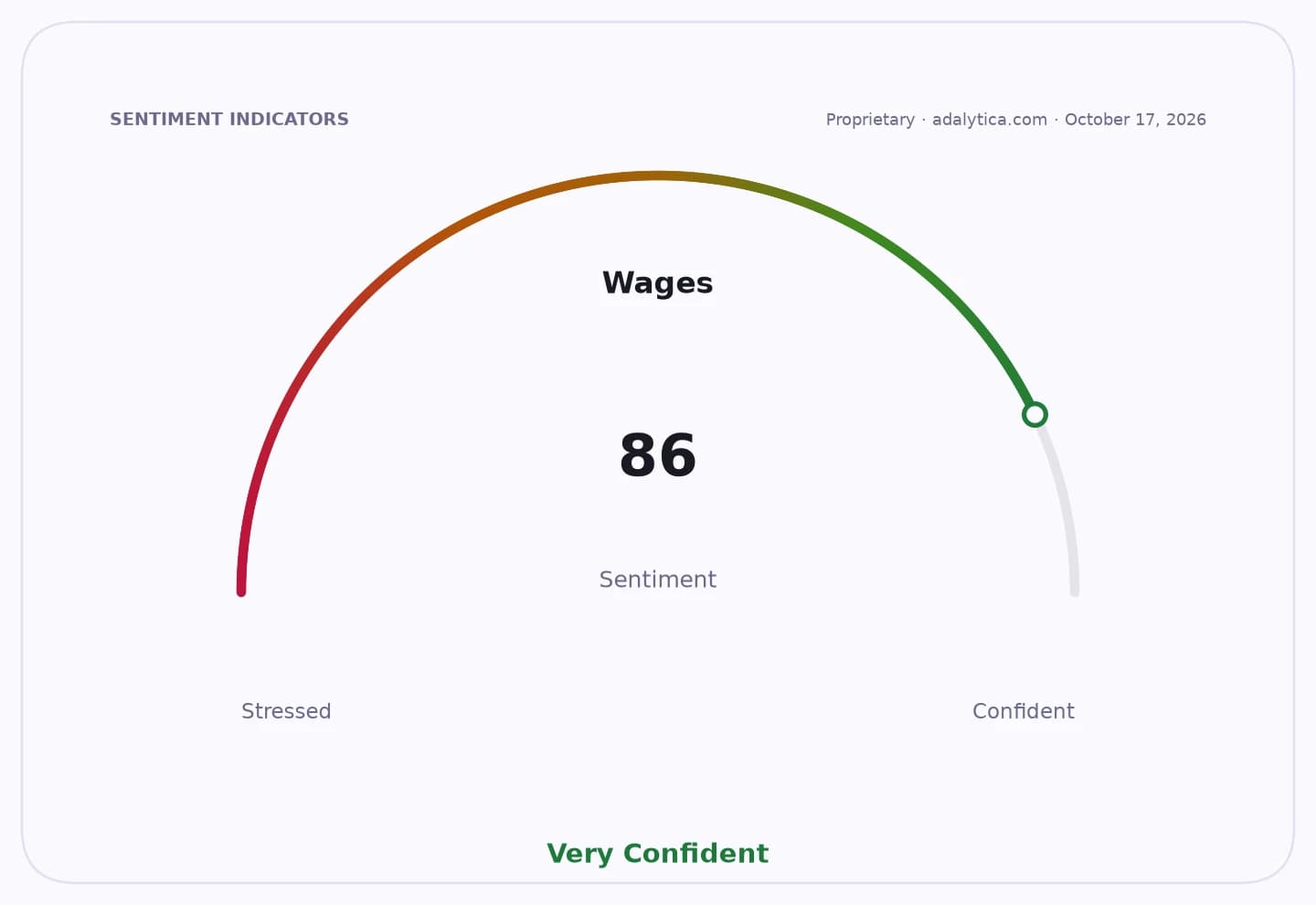
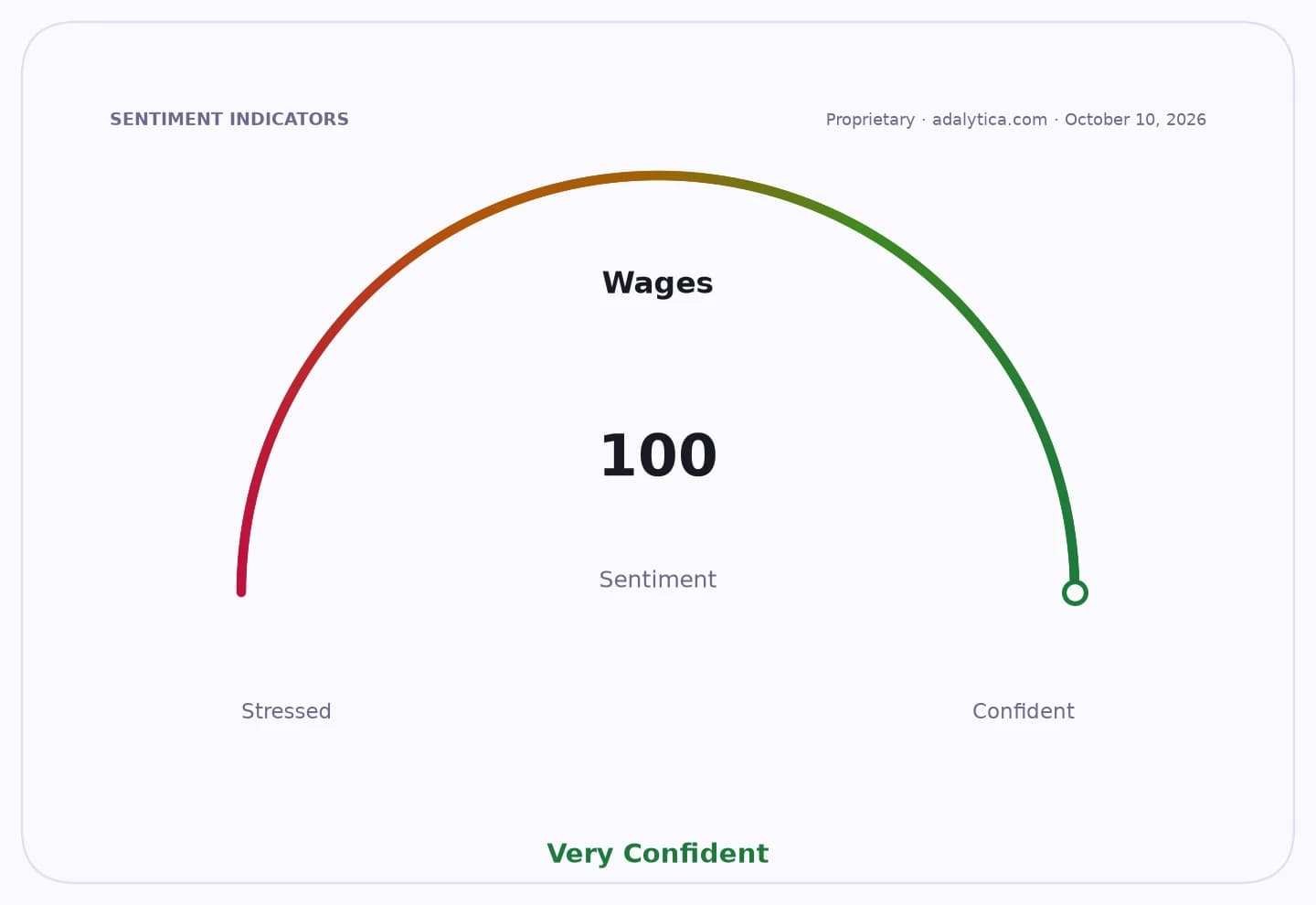
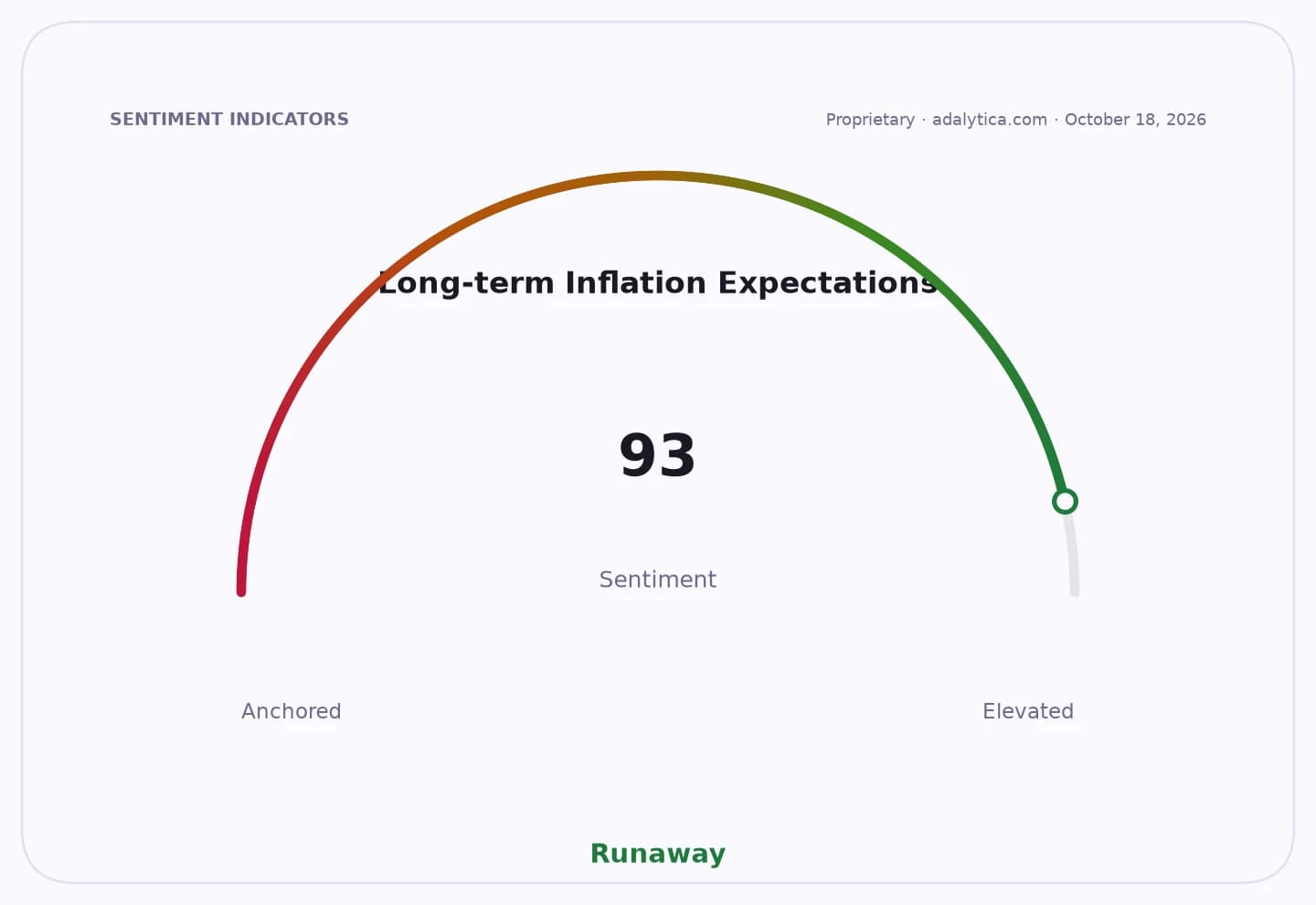
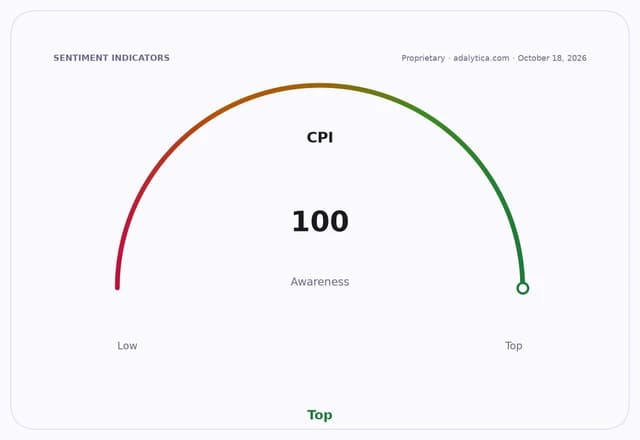
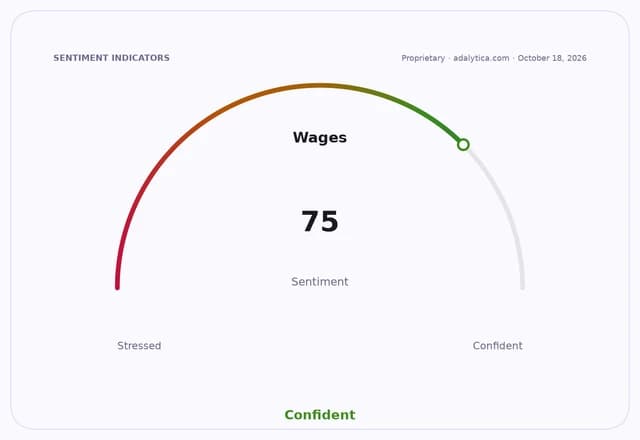
Sentiment IndicatorsⓘProprietary · adalytica.com · October 18, 2026
This is a snapshot — live sentiment, awareness and momentum for 130+ markets update continuously in the dashboard.Open AlphaPulse
That imbalance is even sharper for retirees. Under the reported scenario, SSK and Bağ-Kur pensions would rise by around 9%, while civil servants and retired civil servants would get about 7%. With year-end inflation expected in the 28%-29% range, those increases would leave many pensioners struggling to keep up, especially if the legal process delays higher payments into February. The lowest pension, now 23,552 lira, would only move to roughly 25,000-26,000 lira under that framework.
For investors, the key question is whether the government chooses to protect purchasing power or keep wage growth tightly aligned with its disinflation plan. A restrained settlement would support anti-inflation efforts and reduce pressure on the central bank, but at the cost of weaker domestic demand and rising political sensitivity ahead of a likely more election-conscious 2027 second half. A more generous midyear top-up for wages and pensions would soften household stress, but could complicate the inflation path and raise labor costs for employers already facing higher input prices.
The pension issue is particularly important because Turkey’s system has increasingly relied on a minimum pension floor, effectively compressing payouts for millions of retirees whose “base” benefits are too low to move meaningfully with inflation. That model has become a budgetary safety valve, but it also highlights the growing gap between nominal raises and real living standards. The claim that the lowest pension should now be around 39,000-40,000 lira based on 2002 parity underscores how far purchasing power has eroded over time.
For consumer-facing companies, especially retailers and basic staples sellers, the policy mix is a double-edged sword. Low raises would keep labor costs contained, but they also risk further weakening demand from a broad base of wage earners and retirees. For the government, the challenge is to avoid turning a social safety problem into a broader consumption slowdown. The next round of decisions on minimum wage and pensions will therefore be watched not just as a labor issue, but as an early test of how much pain Ankara is willing to tolerate in the name of disinflation.
| Entity | Gains | Losses |
|---|---|---|
| Government / Treasury | ▲Lower fiscal pressure | ▼Household purchasing power |
| Employers | ▲Slower labor-cost growth | ▼Workers and unions |
| Retirees | ▲Some nominal income support | ▼Real income erosion |
| Consumer retailers | ▲Stable wage bill | ▼Softer household spending |