Turkey’s first 2027 minimum wage calculations point to a pay floor increase of between 28% and 30.39%, a sign that wage-setting will remain a major macroeconomic issue as households battle inflation and policymakers try to protect purchasing power without reigniting price pressure.
Turkey 2027 Minimum Wage Calculations Point to 28%-30.39% Rise
The range matters because minimum wage decisions in Turkey ripple far beyond low-income workers: they shape consumer spending, business costs, inflation expectations and the government’s broader economic credibility. Based on the scenarios now circulating, net monthly pay could climb to 35,936 lira under the Central Bank’s 28% estimate or as high as 36,608 lira if the Financial Institutions Association’s 30.39% forecast is used. That would imply increases of 7,861 lira to 8,532 lira, leaving a relatively narrow 672-lira spread between the lowest and highest outcomes.
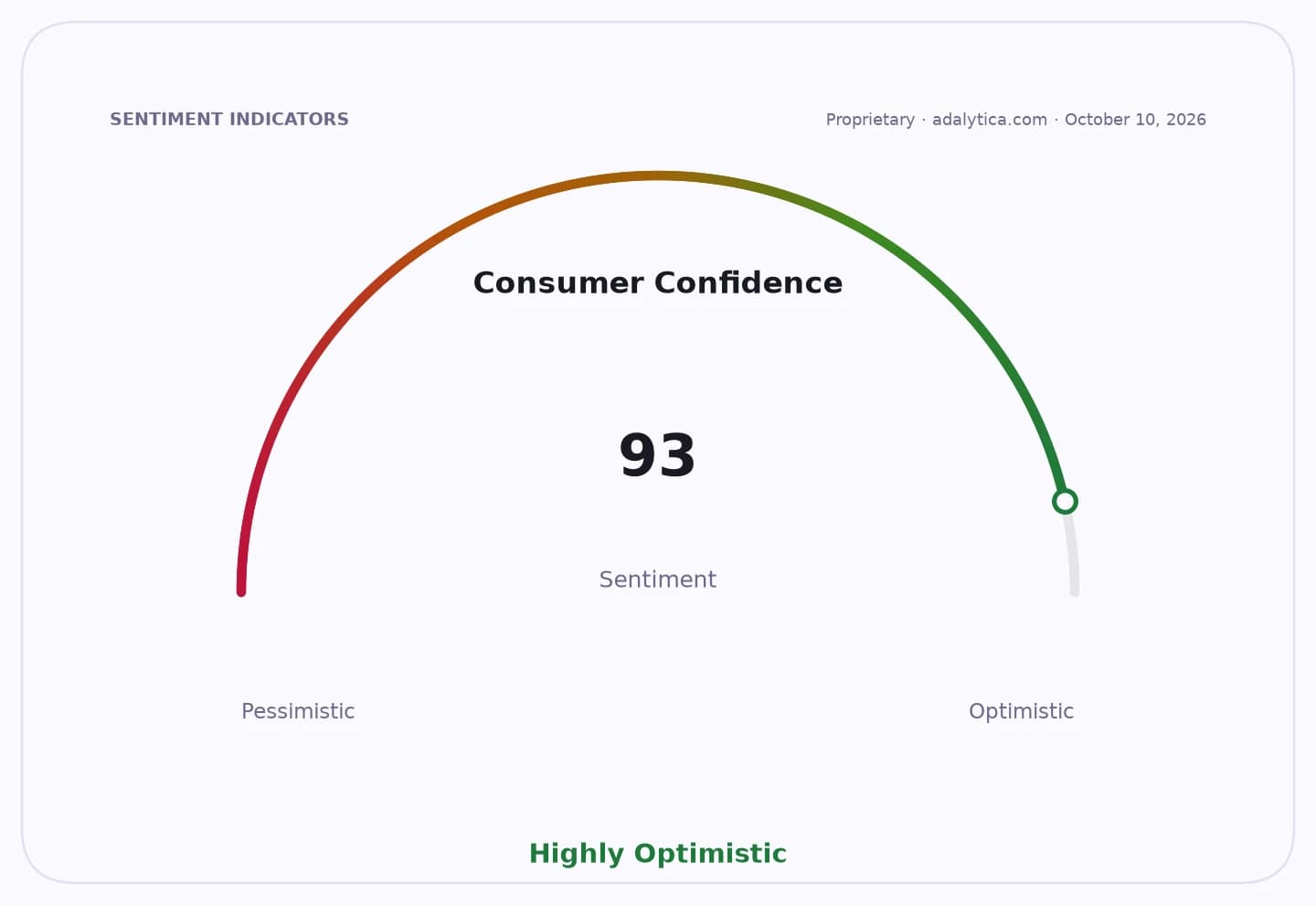
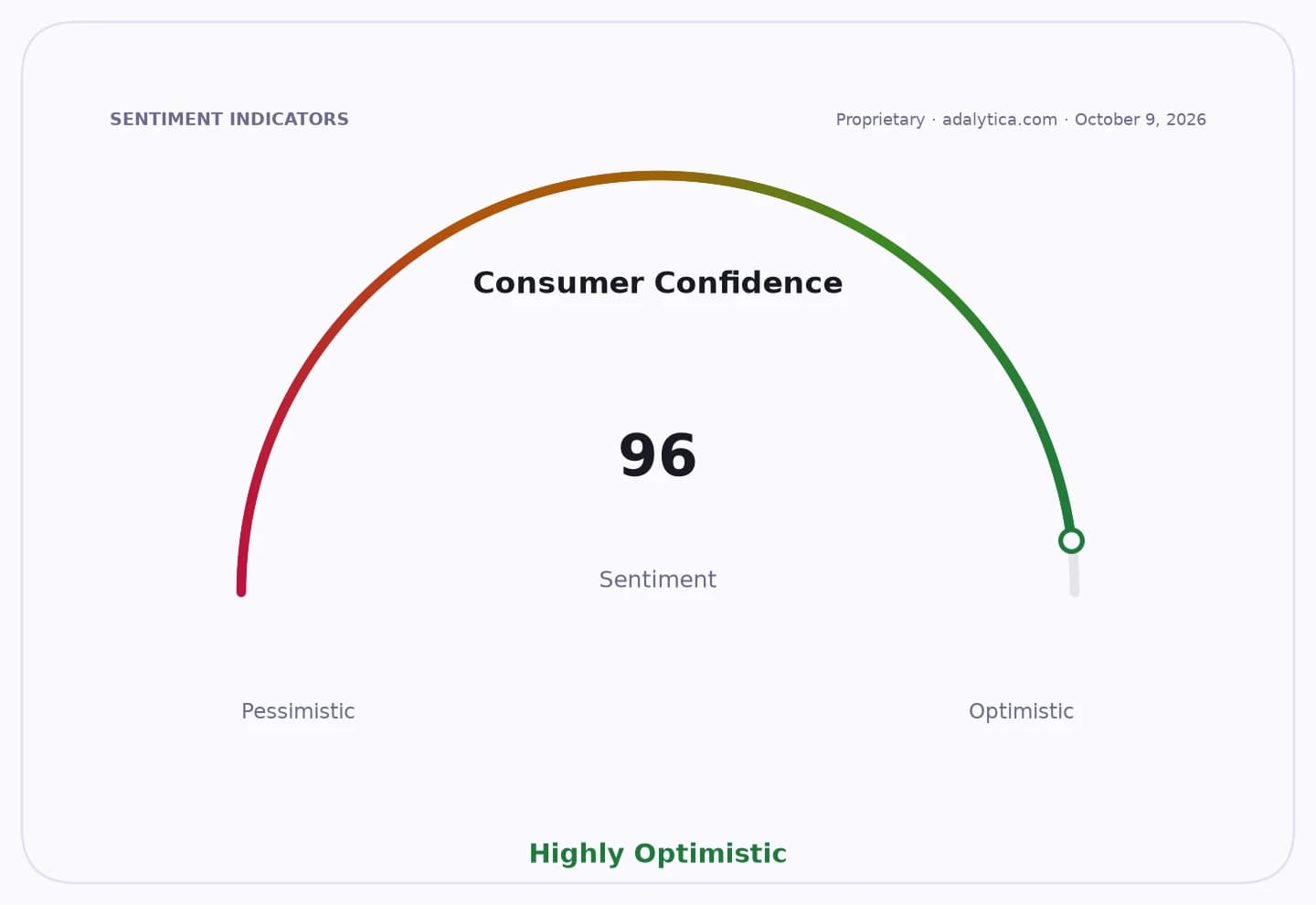
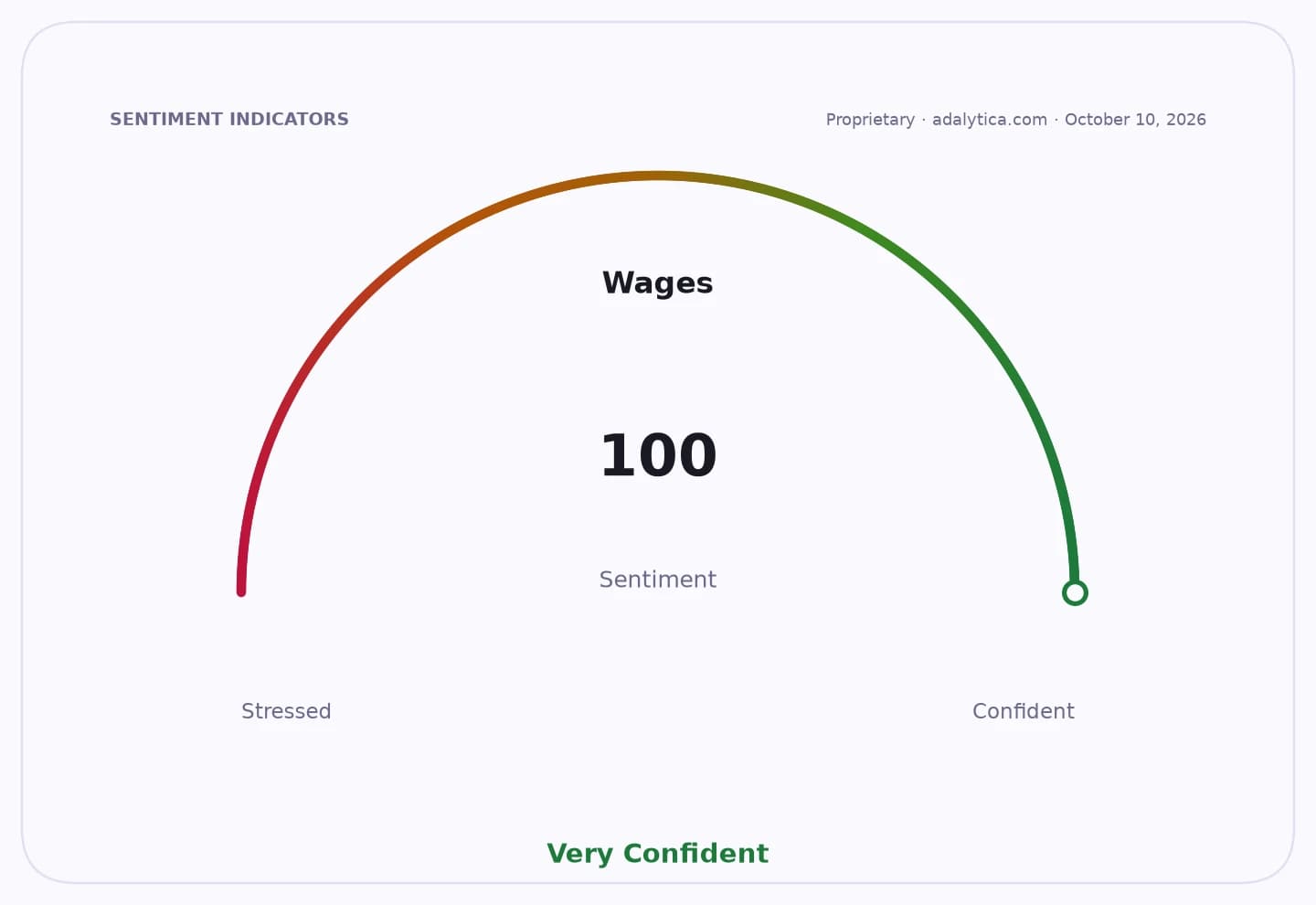
Sentiment IndicatorsⓘProprietary · adalytica.com · October 10, 2026
This is a snapshot — live sentiment, awareness and momentum for 130+ markets update continuously in the dashboard.Open AlphaPulse
The calculations come after Turkey’s statistics office said annual inflation slowed to 29.73% in September, with nine-month inflation at 24.32%. Those numbers are feeding the debate because wage negotiations are increasingly being anchored to year-end inflation projections from the Central Bank, the medium-term program and market surveys. In practice, that means the final decision will be less about a simple percentage formula and more about how much real wage erosion the government is willing to offset.
That is why this is more than a labor story. A bigger wage hike would support consumption in an economy where paychecks are still chasing prices, but it would also add pressure on employers already managing tighter margins and could complicate disinflation efforts. A smaller increase would help the inflation fight, yet risk weakening household demand and intensifying political pressure at a time when living costs remain a sensitive issue.
The actual decision will be made by the 15-member Minimum Wage Determination Commission, which is expected to meet in the first week of December 2026 and announce the final 2027 wage near the end of that month. Investors should watch this closely because it will help set the tone for Turkish inflation, retail demand and corporate margin assumptions heading into 2027.
For markets, the trade is straightforward: wage-sensitive consumer names may benefit if the settlement lands near the top of the current range, while labor-intensive sectors face the biggest cost risk. The key takeaway is that Turkey’s wage floor is again becoming a macro lever, not just a social policy decision, and that makes the December talks a meaningful catalyst for both the economy and local assets.
| Entity | Gains | Losses |
|---|---|---|
| Low-income workers | ▲Higher purchasing power | ▼None from the increase |
| Employers | ▲Predictability if hike is smaller | ▼Higher labor costs if hike is larger |
| Consumer-facing stocks | ▲Stronger household spending | ▼Margin pressure from wage costs |
| Central bank / policymakers | ▲Better real wage support if compromise is reached | ▼Credibility risk if inflation reaccelerates |