Turkey is preparing to wipe out general health insurance premium debts incurred before Jan. 1, 2017, a move that would relieve roughly 1 million people and add a new layer of fiscal support for lower-income households.
Turkey to wipe out old health insurance premium debts

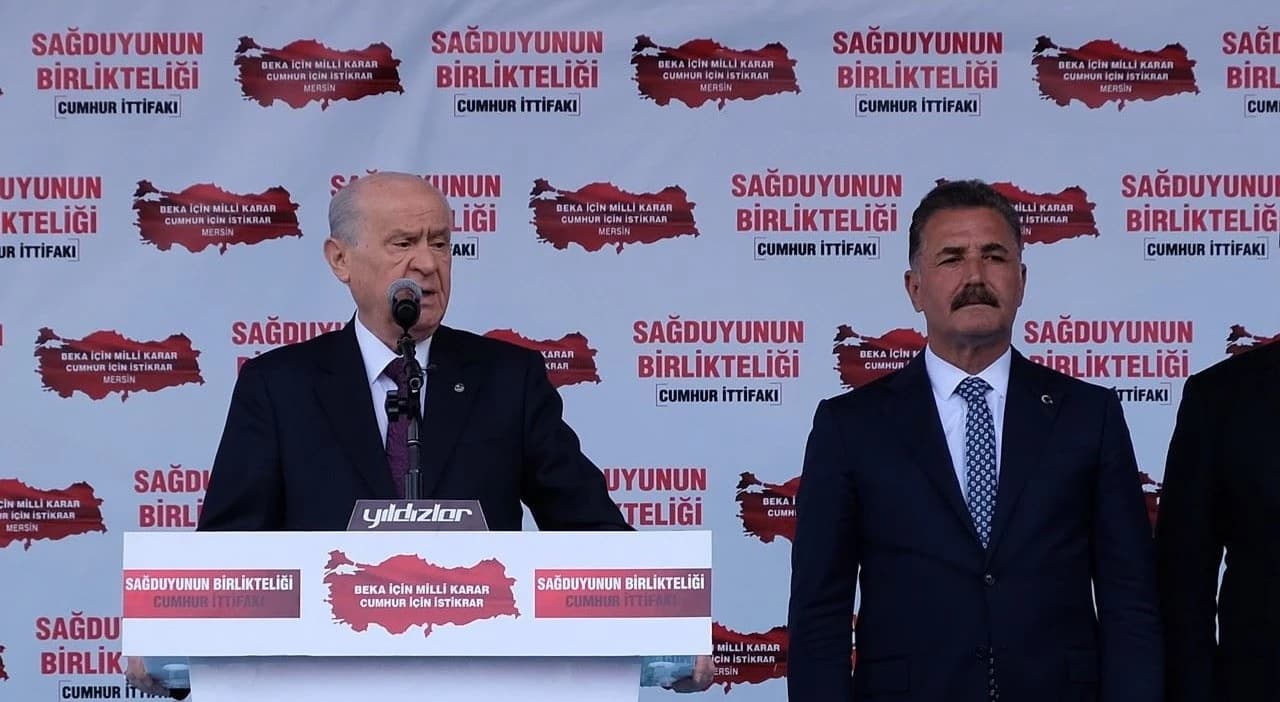
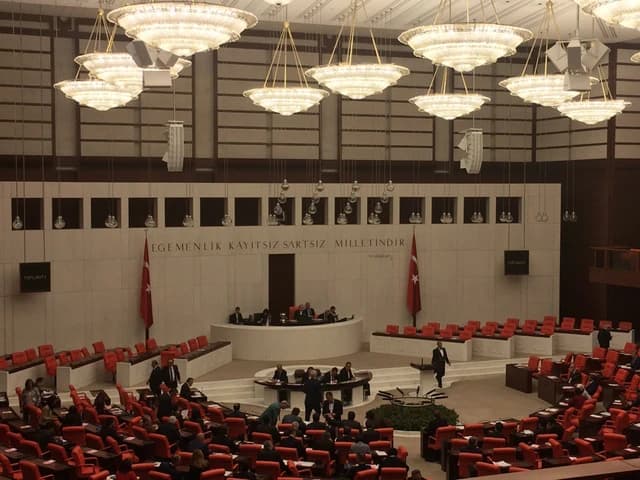
The proposal, part of a 15-article omnibus bill being drafted by President Recep Tayyip Erdogan’s AK Party, is expected to be submitted to parliament next week. While the measure is framed as a social relief step, it also reflects a wider policy choice: clearing old receivables that have become increasingly difficult to collect while reducing a long-running burden on households with no formal health coverage.
Sentiment Indicators
The debt write-off would apply to general health insurance, or GSS, premiums owed by people without institutional health insurance and in the lowest income bracket. The government is expected to lean on the 10-year statute of limitations in advancing the measure, according to the report. That suggests the state is targeting legacy balances that have already become stale, rather than freshly delinquent debts where collection might still be feasible.
For the public finances, the short-term effect is likely to be forgone revenue rather than a major fiscal shock. The larger economic significance lies in the distributional impact: households facing dormant but persistent debts could see immediate balance-sheet relief, potentially improving consumer sentiment and easing pressure on disposable income for a politically important group. Such measures can also reduce administrative costs tied to chasing small, old receivables.
For investors, the direct market impact appears limited, but the policy fits a broader pattern of fiscal and social intervention that can influence expectations around Turkey’s domestic spending priorities. It is also a reminder that policy support is being directed toward household balance sheets at a time when affordability remains a sensitive issue. Investors in Turkish assets will watch whether similar relief measures broaden beyond health premiums and how the government balances social policy against budget discipline.
The move comes as Ankara prepares a larger omnibus bill, a legislative vehicle often used to bundle multiple policy changes into a single package. If the proposal advances as expected, the main question for markets will be whether it is treated as a one-off clean-up of old debts or as an indication that the government is willing to use the budget to absorb more legacy obligations from households.
| Entity | Gains | Losses |
|---|---|---|
| Low-income households with old GSS debt | ▲Balance-sheet relief | ▼Outstanding liabilities erased |
| Turkish government | ▲Political goodwill | ▼Forgone premium revenue |
| Public finances | ▲Lower collection/admin costs | ▼Reduced cash inflow |
| Taxpayers and fiscal hawks | ▲— | ▼Potential precedent for relief measures |