A $700 jump in the cost of basic groceries has pushed Australia’s supermarket inflation squeeze back to the centre of the household spending debate, underscoring why food prices remain one of the most politically and economically sensitive parts of the cost-of-living crisis.
Grocery Inflation Supports Australian Supermarket Stocks
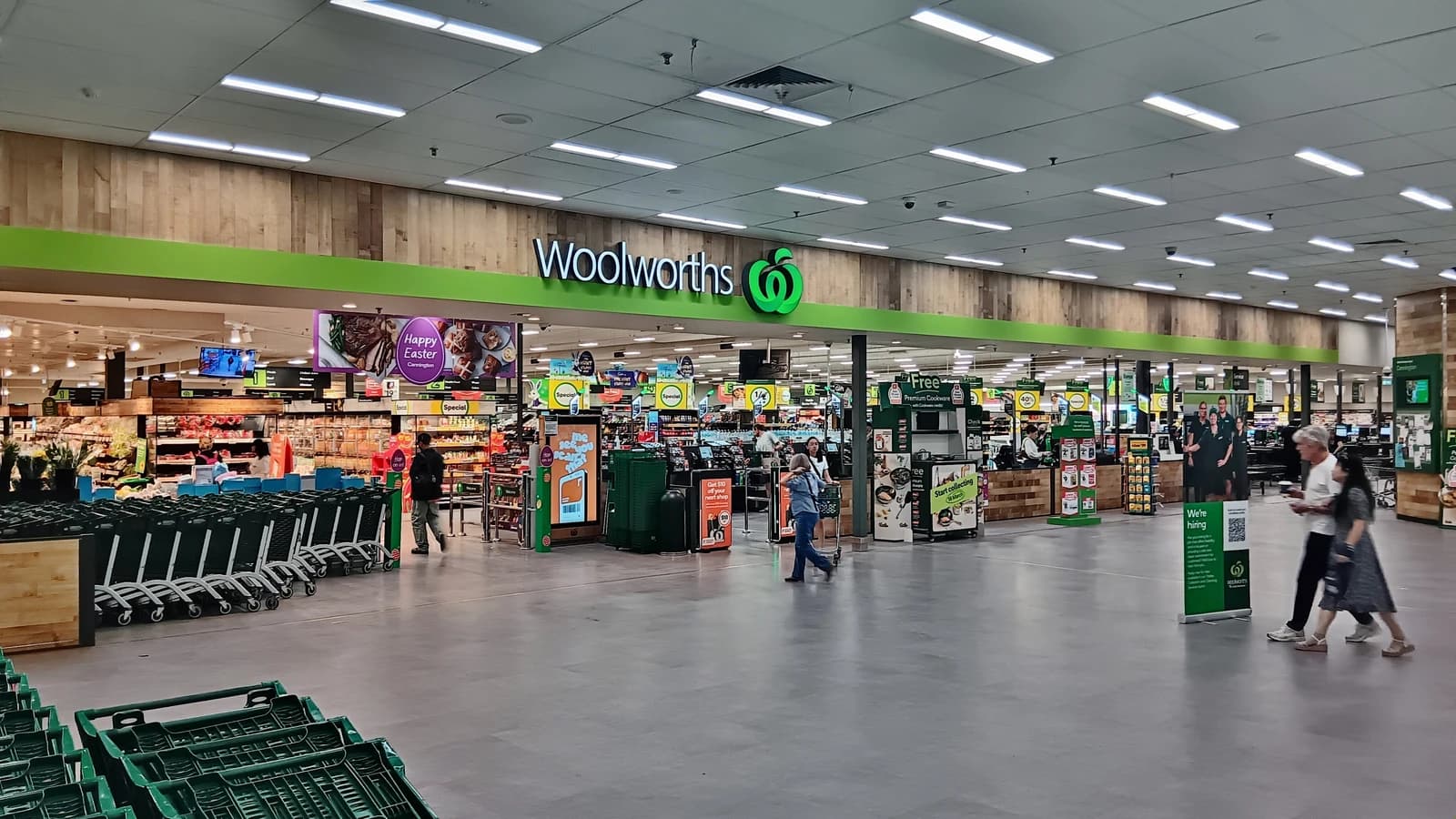
For consumers such as Chiara Pagano, the increase is not an abstract inflation reading but a direct hit to weekly cash flow. Food staples are among the hardest expenses to avoid, meaning higher supermarket bills reduce money available for discretionary spending, savings and debt repayment. That makes grocery inflation more damaging than price rises in categories households can more easily defer.
Sentiment Indicators
The pressure comes as economists warn inflation may remain stubborn, with some expecting a return to 2% to be delayed until 2028. Even where wholesale food costs have eased, the pass-through to shelf prices has been uneven, leaving consumers exposed to higher prices for longer and keeping central banks wary of declaring victory over inflation.
Investors are reading the same squeeze differently. Australia’s biggest supermarket operators have benefited from defensive demand and pricing power, even as households complain about the cost of staples. Woolworths Group shares closed at A$40.16 on July 10, up about 23% from late August and trading well above both its 50-day and 200-day moving averages. Coles Group closed at A$23.56, also above its conventional 50-day and 200-day moving averages and roughly 18% higher than early August levels.
CPI Sentiment vs WOW.AXadalytica.com
Explore this data interactively — full history, time series and cross-market comparisons.
That market resilience points to a core tension in the inflation story: what hurts shoppers can support revenue for dominant food retailers, provided volumes hold up and regulatory scrutiny does not intensify. Woolworths and Coles remain the main listed proxies for Australian grocery spending, while Metcash, which supplies independent grocers, has lagged. Metcash closed at A$3.06 on July 10, below its 200-day moving average and well down from levels near A$4.09 last August.
The backdrop is global. Retailers from Australia to the United States are trying to defend market share as shoppers trade down, chase discounts and shift baskets toward cheaper meals. Walmart has been cutting prices in response to US inflation and changing consumer behaviour, while food-saving apps are gaining traction by helping consumers buy cheaper products and reduce waste.
Adalytica.com’s proprietary CPI sentiment gauge shows inflation remains a volatile market theme, with sentiment at 70 and awareness labelled “Extreme Fear,” reflecting how quickly price concerns can re-enter consumer and investor focus even when headline inflation appears to be moderating.
The next test is whether supermarkets can keep margins intact without provoking a deeper consumer backlash or tougher political response. If grocery bills keep climbing faster than wages, the $700 shock will not just be a household story; it will be a signal that sticky food inflation is still shaping spending, rates expectations and supermarket valuations.
| Entity | Gains | Losses |
|---|---|---|
| Woolworths and Coles | ▲Defensive pricing power | ▼Political scrutiny |
| Australian shoppers | ▲Discount hunting | ▼Household cash flow |
| Metcash and independents | ▲Value-seeking traffic | ▼Weaker scale leverage |
| Inflation hawks | ▲Stickier CPI argument | ▼Rate-cut expectations |