Sonoma Valley’s Gundlach Bundschu, California’s oldest continuously family-owned winery, has filed for Chapter 11 protection after years of shrinking wine demand, rising leverage and a failed search for fresh capital.
Gundlach Bundschu Files Chapter 11 in Sonoma
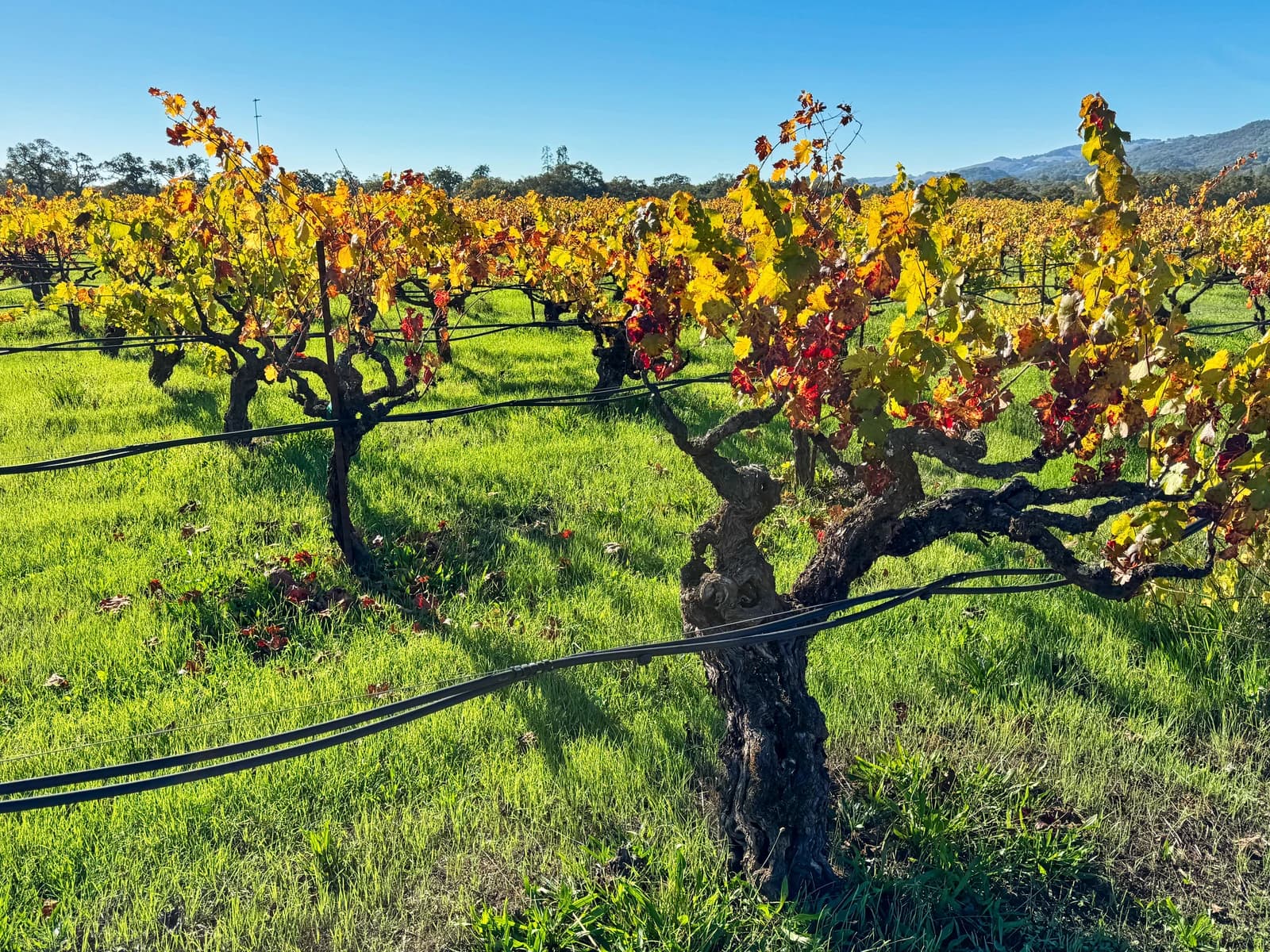
The restructuring matters beyond one historic label because it shows how the U.S. wine downturn is now working through premium family producers that once seemed insulated by brand loyalty, direct-to-consumer sales and tourism. Gundlach Bundschu said it became overleveraged after a 2020 acquisition and could not secure a consensual out-of-court solution with lenders, forcing it into court supervision while it keeps operating.
The winery, which dates to 1858, said it will remain open during the bankruptcy and is negotiating with an unspecified possible new investor that could help keep the business afloat. Jeff Bundschu, the great-great-great grandson of founder Jacob Gundlach, said the company tried years of restructuring, cost cuts, asset sales and capital contributions before concluding Chapter 11 was the only realistic option.
Gundlach Bundschu has already slashed operating costs by more than 50%, or about $7 million, over the past 18 months and cut its workforce from 120 to 63. It also shut retail sales at Abbot’s Passage, the label it launched in 2020, and plans to close that Glen Ellen site in early October.
Still, the balance sheet deteriorated faster than the business could recover. The company said it owes about $37 million to two principal lenders, Tiverton Advisors and American AgCredit, plus another $1.7 million to vendors and service providers. It also said one lender sought a court-appointed receiver before the bankruptcy filing.
The case lands as the broader North Bay wine industry continues to fight declining consumption, excess grape supply and tight credit. Similar bankruptcy filings this year have already hit Robledo Family Winery in Sonoma Valley and Signorello Estate in Napa Valley, underscoring that the pressure is no longer limited to smaller, distressed operators.
Industry veteran Rob McMillan of Silicon Valley Bank said sales are still falling, though more slowly, and the sector may not reach a bottom until next year or 2028. He said the amount of wine sold is likely to keep declining through 2029 even if dollar sales recover sooner, implying a smaller and more consolidated industry ahead.
For investors and creditors, the key issue is whether Gundlach Bundschu can preserve value through a restructuring that keeps the winery open, protects its wine club and tourism business and brings in new capital. For the wider sector, the filing is another sign that high fixed costs, long inventory cycles and debt-fueled expansion are becoming harder to support as consumers drink less and trade down.
The next catalysts are lender negotiations, a possible investor deal and court approval of the restructuring plan, all of which will determine whether one of California’s most storied wineries emerges as a smaller independent business or a casualty of the wine industry's prolonged contraction.
| Entity | Gains | Losses |
|---|---|---|
| New investor | ▲Buys distressed assets cheaply | ▼Takes restructuring risk |
| Lenders | ▲May recover value in Chapter 11 | ▼Face losses/restructuring |
| Gundlach Bundschu family | ▲Keeps partial ownership potential | ▼Loses control and legacy status |
| California wine sector | ▲More forced consolidation | ▼Historic independents under pressure |