The White House’s move to impose sharply higher H-1B visa application fees has thrown a fresh cost and staffing hurdle in front of U.S. technology companies that rely heavily on skilled foreign workers, with Indian IT professionals and offshore-service providers likely to feel the first-order impact.
H-1B fee hike hits U.S. tech and Indian IT firms
The policy matters because H-1B visas are not a niche immigration issue; they are a core input into the labor model of U.S. software, cloud, consulting and enterprise services. Any material increase in application costs raises the price of accessing specialized talent, potentially delaying projects, squeezing margins and forcing companies to rethink where they locate engineering and support work.
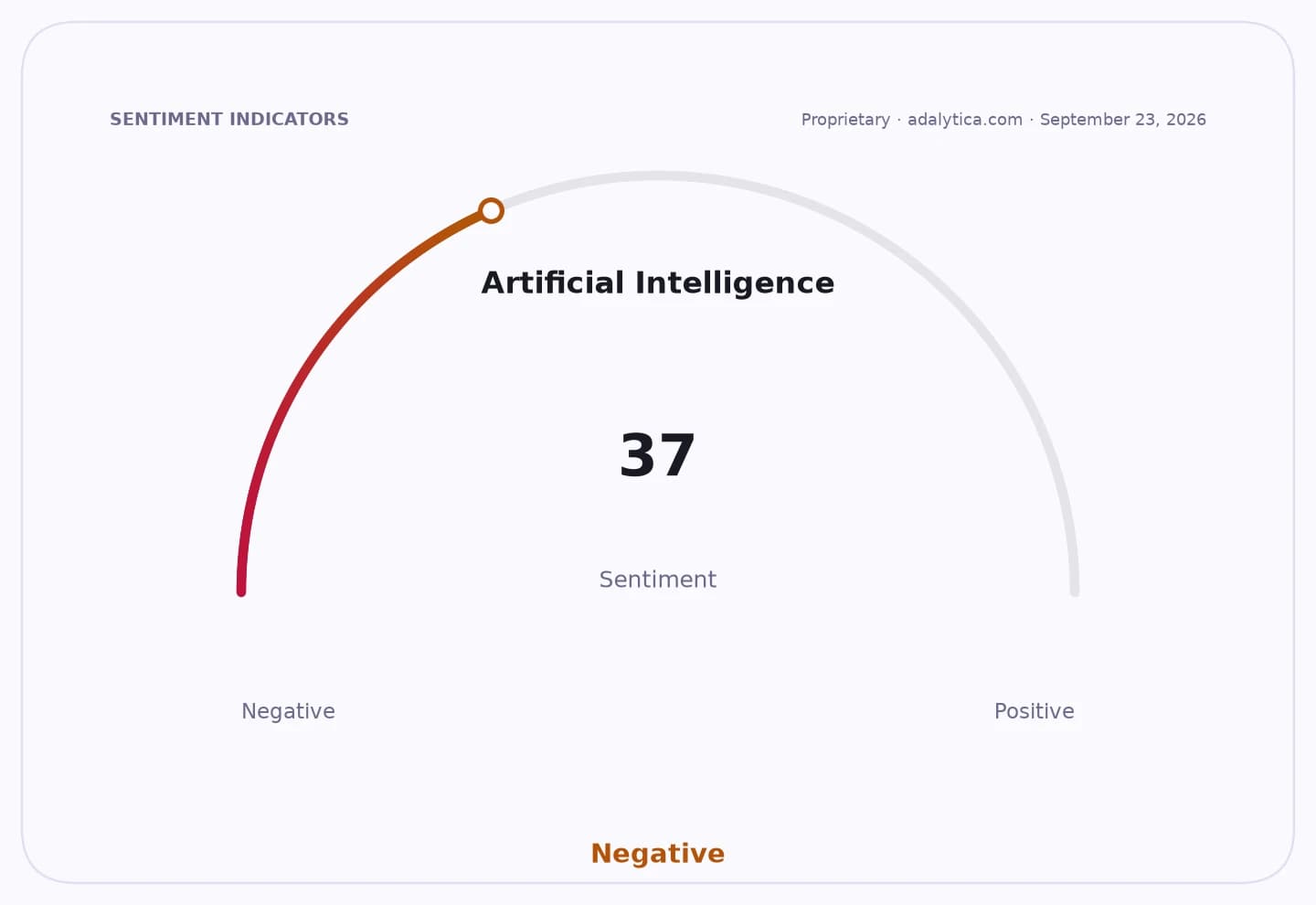
Sentiment IndicatorsⓘProprietary · adalytica.com · August 22, 2026
This is a snapshot — live sentiment, awareness and momentum for 130+ markets update continuously in the dashboard.Open AlphaPulse
That is especially relevant for firms such as Microsoft, Alphabet and Amazon, whose businesses depend on large technical workforces and global delivery networks. Microsoft closed at $483.24 on Friday, Alphabet at $344.82 and Amazon at $258.63, according to the price data, after all three had already endured large swings this year as investors weighed AI spending against profitability. Microsoft remains below its 200-day moving average of $429.43 earlier in the period but has rebounded sharply from June lows, while Amazon has also recovered well above its 200-day average. Alphabet, by contrast, has been more subdued, with its latest close below its 50-day average of $351.77, underscoring how quickly the market is repricing growth names as policy and cost pressures shift.
For Indian IT service companies, the stakes are arguably even higher. The visa change threatens a business model that has long relied on sending skilled workers to U.S. client sites, often as a bridge between low-cost offshore delivery and onshore execution. Higher visa costs can accelerate a shift toward nearshore and offshore work, but they can also reduce flexibility, weaken client responsiveness and hurt the economics of contract wins that depend on onsite staffing.
The market backdrop adds another layer. Adalytica’s S&P 500 trade signals show sentiment at 22, labeled fear, even as awareness remains elevated at 78, a sign of crowded attention around policy and macro risks. The dollar is flashing extreme fear in the same framework, which can amplify volatility for multinational earnings and cross-border hiring decisions. In that environment, investors tend to punish anything that adds cost without a clear offset.
For U.S. tech giants, the bull case is that bigger visa fees are manageable relative to their scale and could even reinforce investment in domestic automation and AI tools that reduce reliance on labor-intensive services. The bear case is that the rules arrive just as companies are already under pressure to justify AI capital spending, making it harder to defend operating leverage if talent costs rise across the stack.
The immediate question is how aggressively the new rules are written and whether companies can pass costs through to clients. The longer-term issue is whether Washington has chosen to tax a labor channel that supports U.S. productivity at the same time as the country is trying to stay ahead in AI. That tension is now central for investors in cloud, consulting and Indian IT stocks alike.
| Entity | Gains | Losses |
|---|---|---|
| U.S. Treasury / White House | ▲Higher fee revenue | ▼Industry backlash |
| U.S. tech giants | ▲Pressure to automate faster | ▼Higher talent costs |
| Indian IT firms | ▲Offshore demand shift | ▼Onsite staffing model |
| H-1B applicants | ▲None | ▼Higher application burden |