Korean Air’s long-awaited merger with Asiana Airlines is finally entering its endgame, but the bigger market story is that Hanjin Group may be forced to defend its control structure just as it tries to launch the integrated carrier.
Hanjin Kal Control Fight Nears Korean Air Merger
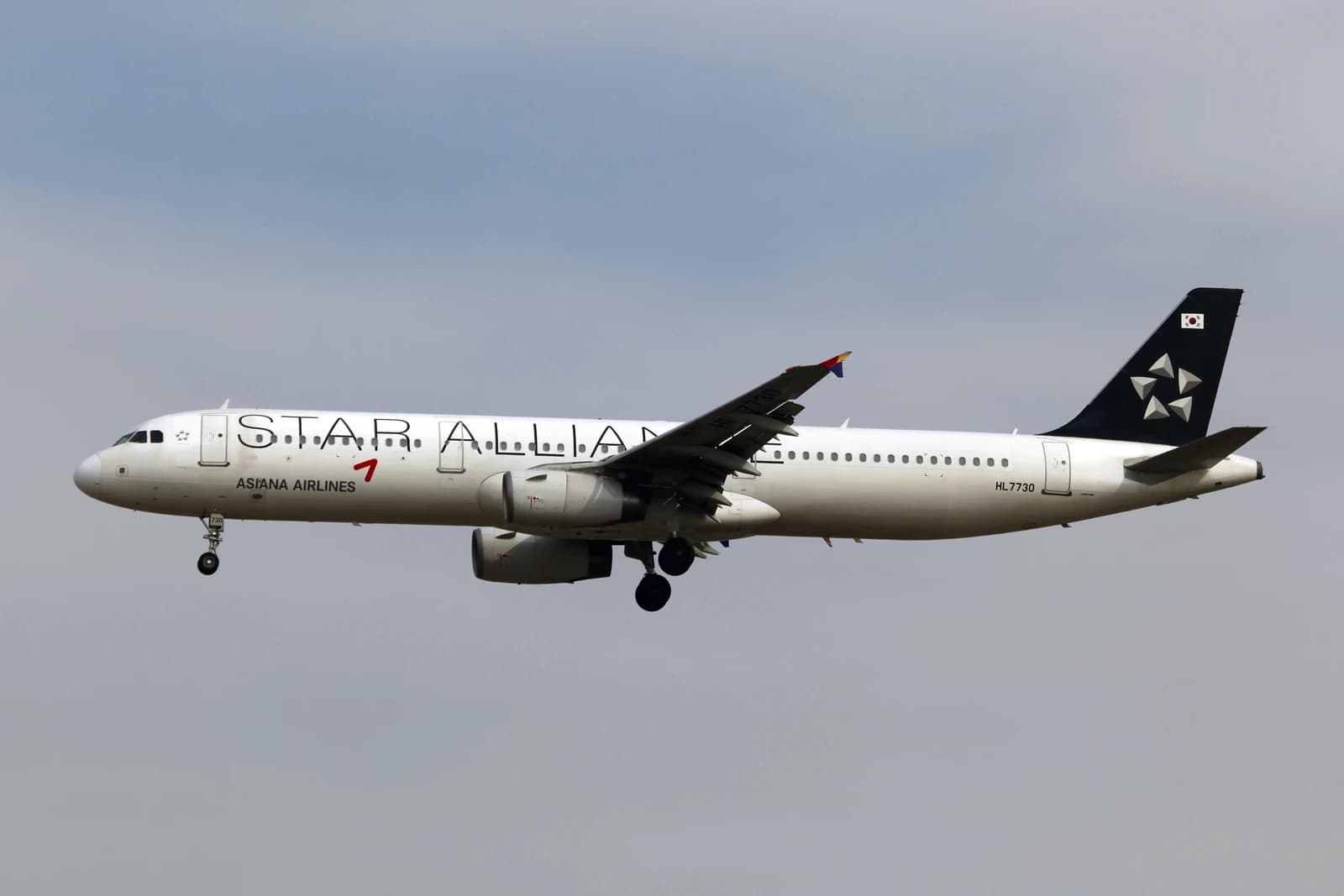
That matters because the merger was supposed to close the book on years of restructuring and give South Korea a stronger flag carrier with the scale to compete regionally. Instead, the group is now dealing with a governance variable that could complicate execution at the very moment it needs discipline, cash flow and management focus. For investors, the issue is not only who controls Hanjin Kal, but whether a fresh ownership challenge could distract from integration, asset sales and post-merger synergy delivery.
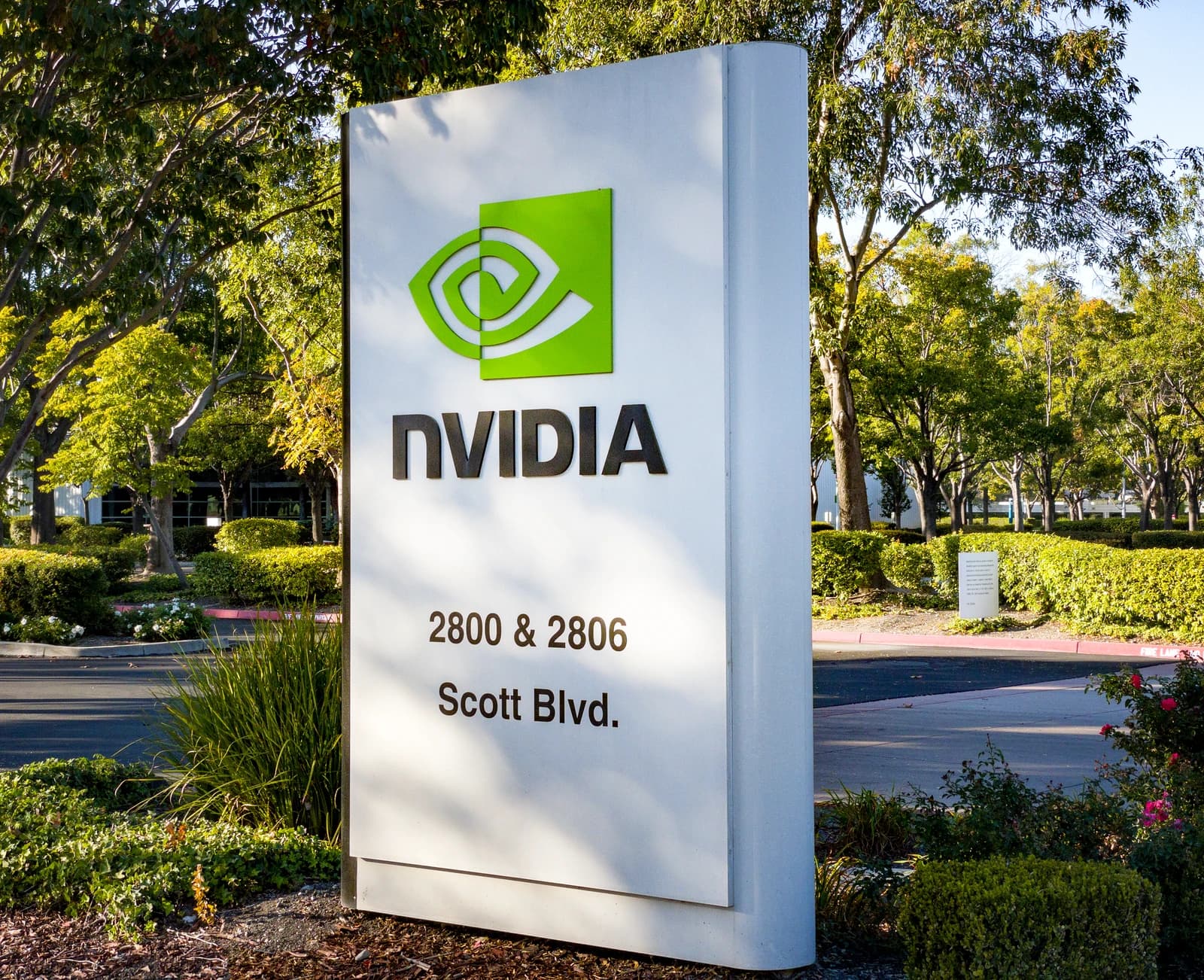
Hoban Group has been buying more Hanjin Kal stock on the open market and has filed a corporate combination notice with the Fair Trade Commission, citing a possible change in the largest shareholder. Under Korean rules, that filing is required when an investor that already holds more than 15% buys more shares and becomes the top shareholder for the first time. Hanjin Kal has said it will disclose more once the facts are confirmed or within a month.
The stakes are high because Hanjin Kal is the listed holding company at the center of the Korean Air empire. Hoban had already lifted its stake with related parties to 20.15% in July, narrowing the gap with chairman Cho Won-tae’s side to just 0.42 percentage point at the time. If Hoban has now moved ahead, it would mark a meaningful shift in one of Korea’s most closely watched corporate control contests.
For the airline itself, this lands at the worst possible moment. Hanjin Group is preparing to launch the combined Korean Air-Asiana carrier next month, while also wrapping up the reacquisition of its in-flight catering business and shedding non-core assets such as its Vietnam express bus operation. That is exactly the kind of capital allocation and operational focus a merger needs. Any governance overhang raises the risk of slower decision-making, noisier boardrooms and a more complicated integration process.
The market should read this as more than a headline about share ownership. A change in the biggest shareholder could alter Hanjin Kal’s strategic direction, influence management priorities and eventually push the stake-building party to change its stated holding purpose from simple investment to influence over management. That would be the point at which the story moves from passive accumulation to an active control battle.
The stock market has already shown that Hanjin Kal remains highly sensitive to control-related speculation. Shares have traded around 28,600 won recently, above the 200-day moving average but still wrestling with a weak momentum profile after a pullback from earlier highs. That kind of price action tells you investors are not pricing a clean, low-drama transition. They are pricing uncertainty.
The broader investment thesis is straightforward: the integrated Korean Air story still carries real industrial logic, but the near-term upside may be capped by governance risk until control questions are settled. If Hanjin Group can finish the merger, complete the catering buyback and keep the restructuring on track, the airline remains a long-term beneficiary of scale, route coordination and improved service economics. If the shareholder fight escalates, the market may start discounting execution risk, not just merger synergy.
For investors, the opportunity is to separate the operating asset from the control noise. The long-term winner is the combined airline if management stays focused and integration proceeds smoothly. The near-term trading risk sits with Hanjin Kal until the largest-shareholder question is resolved. In a market that rewards clarity, this is the kind of event-driven setup that can move fast once the disclosure lands.
| Entity | Gains | Losses |
|---|---|---|
| Korean Air-Asiana combined carrier | ▲Scale and network reach | ▼Governance distraction |
| Hoban Group | ▲Potential control leverage | ▼Capital tied up in stake build |
| Hanjin Group / Cho Won-tae side | ▲If control is retained, strategic continuity | ▼Loss of voting edge |
| Minority shareholders | ▲Potential re-rating if dispute ends | ▼Volatility and execution risk |