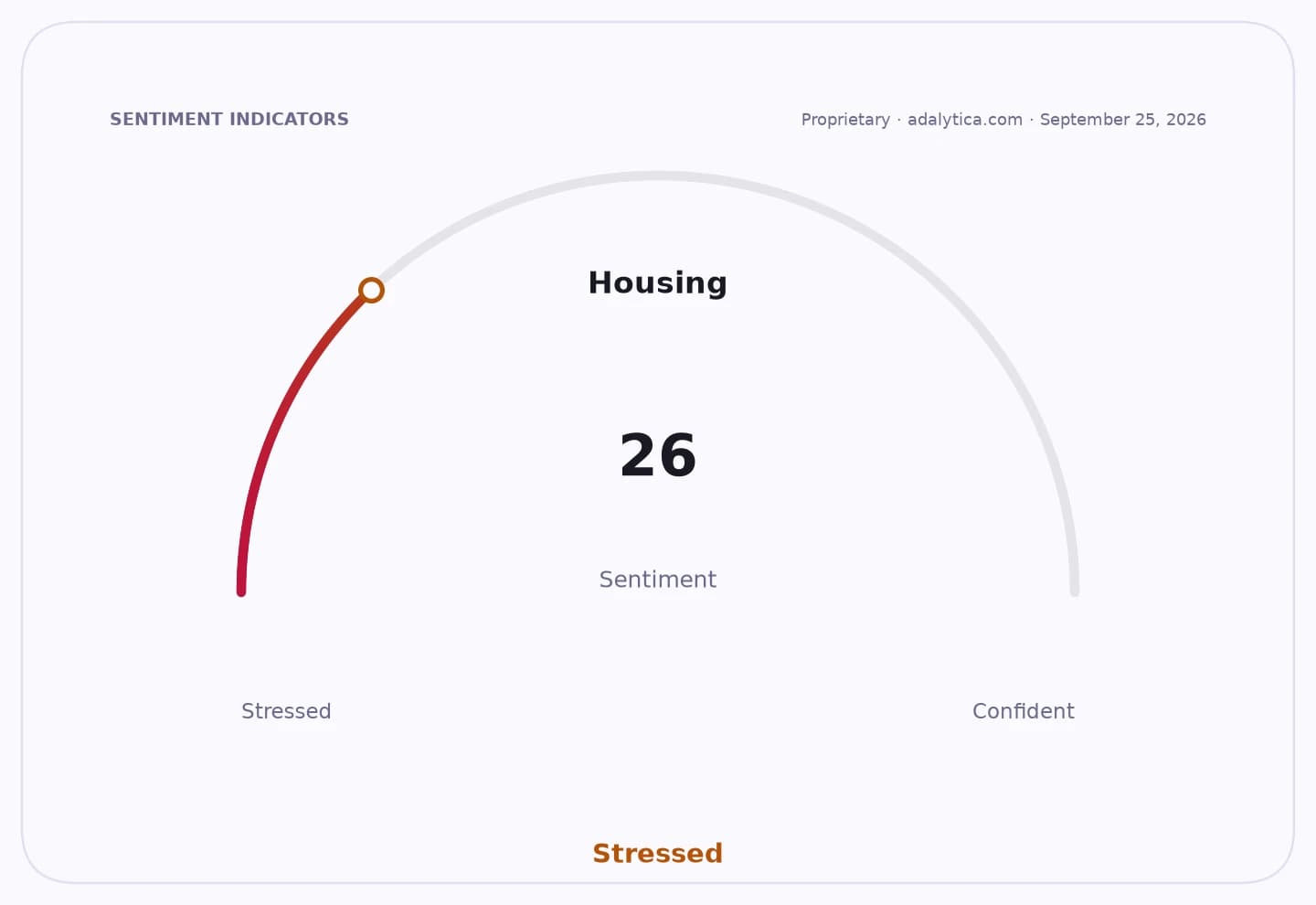
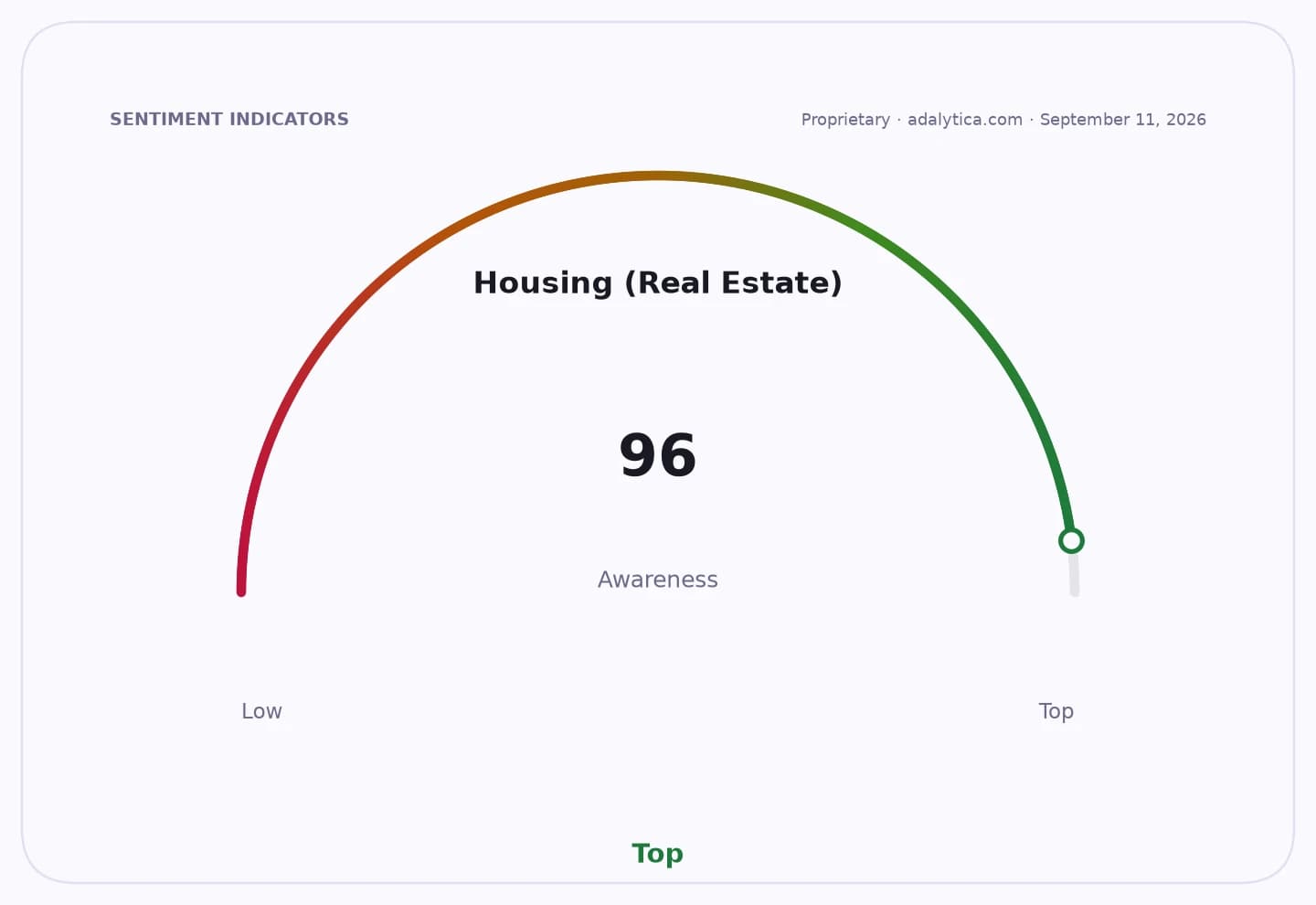
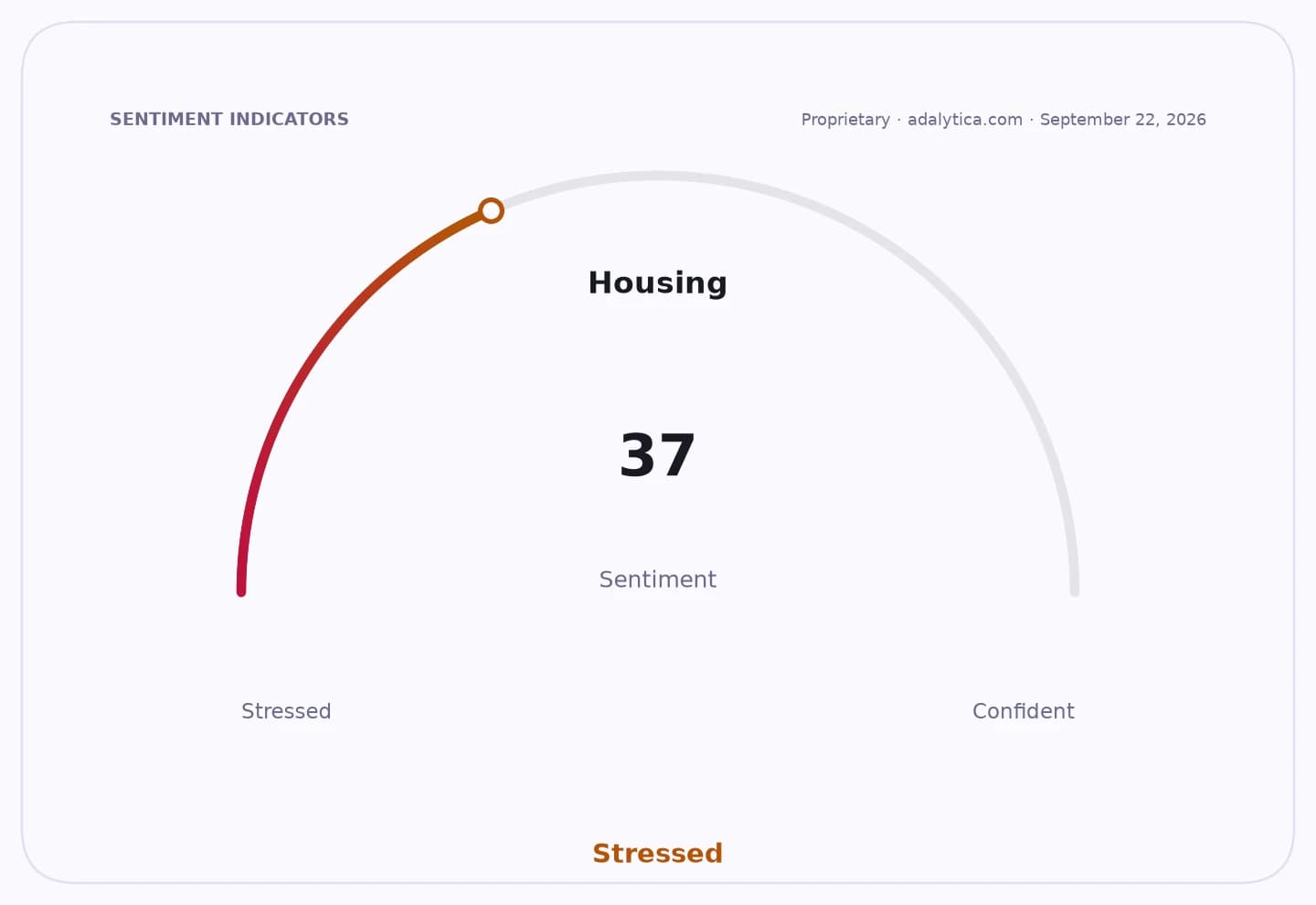
Real housing demand is keeping Hanoi’s transfer market liquid even as investors retreat, forcing secondary apartment prices to cool and sending buyers back toward homes they can actually use.
Hanoi housing transfers fall as resale prices cool
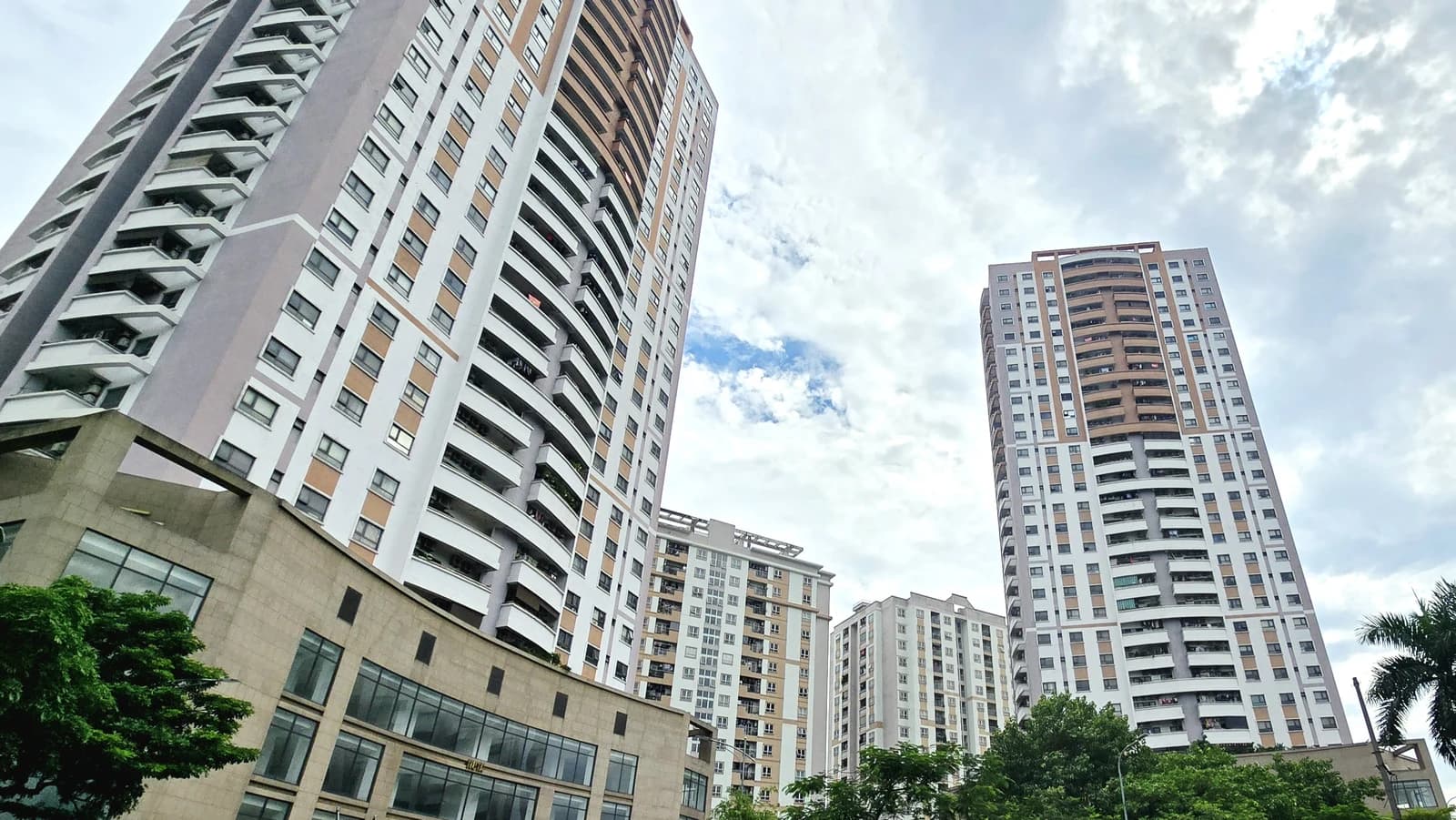
That is the key takeaway from One Mount Group’s latest market report, which shows Hanoi’s total transfer transactions fell to about 9,100 in the second quarter of 2026, down 18% from the prior quarter and 64% from a year earlier. The bigger story, though, is not just the decline in volume. It is the shift in who is still active: owner-occupiers and long-term investors, rather than short-term speculators, are doing most of the trading.
For investors, that matters because it suggests Hanoi’s housing market is moving from a momentum-driven phase into a more selective, fundamentals-led one. In that kind of market, liquidity does not disappear entirely. It concentrates around assets with the clearest utility, the strongest locations and the most immediate livability.
Secondary apartments were the clearest example. Transactions in that segment dropped to about 3,750, down 61% from a year earlier, while average resale prices reversed after the 2024-2025 run-up. The typical secondary apartment price fell to roughly 78 million dong per square meter in the second quarter from around 85 million dong in 2025, leaving prices only 9% above a year earlier.
That cooling is not necessarily a sign of distress. It looks more like a repricing under higher borrowing costs and tighter cash flow. As interest rates stay elevated, investors have less room to stretch on valuation, which is why sellers are adjusting expectations. For buyers, that can be a healthy reset, especially if they are looking for finished homes in large, operating urban communities such as Vinhomes Ocean Park and Vinhomes Smart City, where demand remains strongest.
The landed-home, or thổ cư, market is telling a similar story of caution rather than collapse. Transactions fell to about 4,700, down 23% from the previous quarter and 64% from a year earlier, as buyers waited for clearer signals on Hanoi’s long-term planning, land clearance and infrastructure rollout. The city’s newly announced 100-year master plan and more than 1,400 projects under land clearance appear to be making households more patient, not less interested.
That patience is reshaping the market in a way long-term investors should notice. The speculative bid is fading, which often hurts flippers and leveraged buyers first. But the same shift can improve affordability and gradually anchor prices closer to what end users can support. In other words, a slower market can still be a stronger market if it is being rebuilt around real demand.
Regional details reinforce that view. The west of Hanoi saw the sharpest drop in landed-home transactions, while the north held the biggest share of deals, helped by sales in areas tied to the former Dong Anh district. Those patterns suggest buyers are being more selective, not abandoning the market altogether.
The bigger investment lesson is that housing markets rarely move in a straight line. When credit gets tighter and policy uncertainty rises, the weakest demand leaves first. What remains is often the more durable demand: families buying to live in, and investors with a longer horizon who care more about land scarcity, infrastructure and rental potential than quick capital gains.
For people with a multi-year view, that can be constructive. A market dominated by genuine housing needs tends to be less euphoric, but also more sustainable. Hanoi’s transfer market is not booming, but it is still functioning — and that is often what healthy normalization looks like.
| Entity | Gains | Losses |
|---|---|---|
| Homebuyers | ▲Better pricing | ▼Fewer speculative deals |
| Long-term investors | ▲More rational valuations | ▼Faster flip profits |
| Sellers | ▲Liquid market in prime projects | ▼Lower resale prices |
| Speculators | ▲Less crowded competition | ▼Weaker momentum trade |