Haryana is moving to put every liquor bottle sold in the state under a QR-based “track and trace” system, a revenue-protection drive that could tighten control over one of India’s most heavily taxed consumer markets while raising compliance expectations for alcohol companies and retailers.
Haryana Liquor QR Tracking Favors Organised Producers
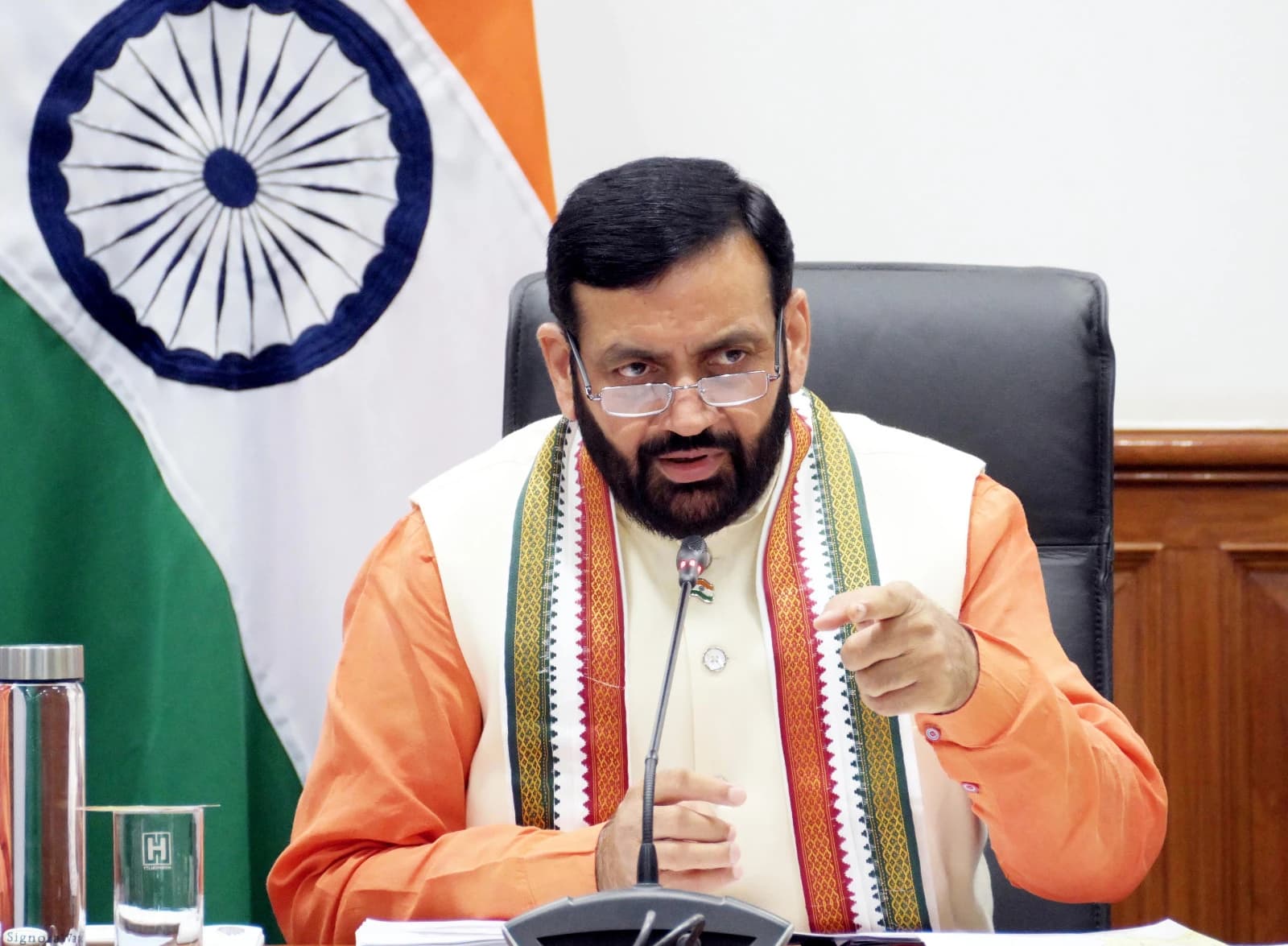
The upgrade is economically significant because liquor is a major source of state income and a frequent target for tax evasion, smuggling and counterfeit sales. By creating a digital audit trail from production to retail, Haryana is trying to reduce leakage in excise collections, improve consumer safety and bring more of the trade into the formal economy. Chief Minister Nayab Singh Saini’s appeal to businesses to use the OTS-2026 settlement scheme fits the same fiscal theme: collect arrears, clean up disputes and widen the compliant tax base.
The state’s claim that Haryana leads the country in SGST collection adds political weight to the move, even though alcohol for human consumption sits largely outside GST and is taxed through state excise and related levies. The broader message is that Haryana wants to be seen as a high-compliance, high-revenue state at a time when Indian states are competing to fund infrastructure, welfare and industrial incentives without widening fiscal stress.
For investors, the policy matters because digitised excise systems can shift market share toward organised alcohol producers and away from informal or illicit channels. Companies with stronger distribution controls and compliance systems are better placed to absorb the transition, while smaller bottlers, wholesalers and retailers may face higher operating costs and closer scrutiny. Listed liquor names such as Radico Khaitan, United Breweries and United Spirits-owner Diageo’s India business are exposed to the direction of state-level regulation, even when a single-state policy has limited immediate earnings impact.
Market pricing already shows investors are distinguishing between liquor companies. Radico Khaitan shares have been strong, closing at ₹4,073.70 on July 10, well above their 50-day and 200-day moving averages, though conventional RSI readings above 70 suggest the stock is technically stretched. United Breweries has been weaker, closing at ₹1,329.30, below both its 50-day and 200-day moving averages. Those signals are standard market indicators, not policy forecasts, but they show how regulatory clarity and growth expectations can be rewarded unevenly across the sector.
The public-safety case for tighter tracking is also hard to ignore. Statewide raids and seizures of illegal liquor across India have kept attention on unregulated production and distribution, while contaminated alcohol incidents globally have reinforced the risks of weak supply-chain oversight. A QR code does not eliminate illicit liquor by itself, but it gives enforcement officers, retailers and potentially consumers a way to verify whether a bottle belongs to the legal supply chain.
The bigger story is the digitisation of state revenue administration. Haryana’s excise upgrade links tax collection, law enforcement and consumer protection into a single platform. If it works, other states may follow with similar systems, increasing pressure on alcohol companies to standardise tracking, inventory reporting and distributor accountability across India.
The immediate winners are likely to be the Haryana government and compliant producers that benefit from a cleaner market. The losers are illicit suppliers and tax-evading intermediaries. The test will be execution: whether QR tracking becomes a genuine enforcement tool or another compliance layer in a sector already shaped by complex state-by-state rules.
| Entity | Gains | Losses |
|---|---|---|
| Haryana government | ▲Higher excise compliance | ▼Implementation burden |
| Organised liquor producers | ▲Less illicit competition | ▼Higher reporting costs |
| Retailers and distributors | ▲Clearer legal trail | ▼Tighter scrutiny |
| Illicit liquor networks | ▲None | ▼Market access |