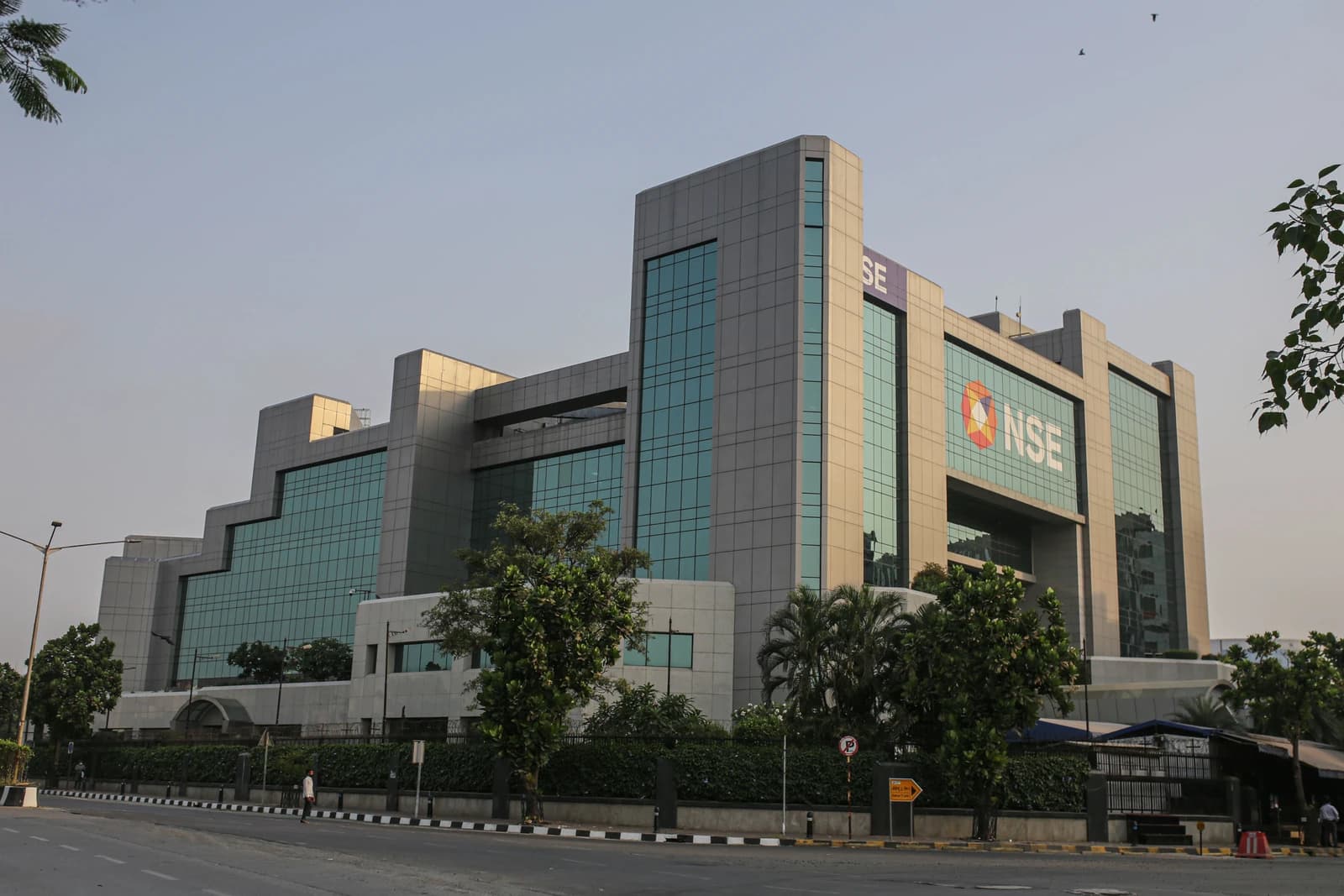
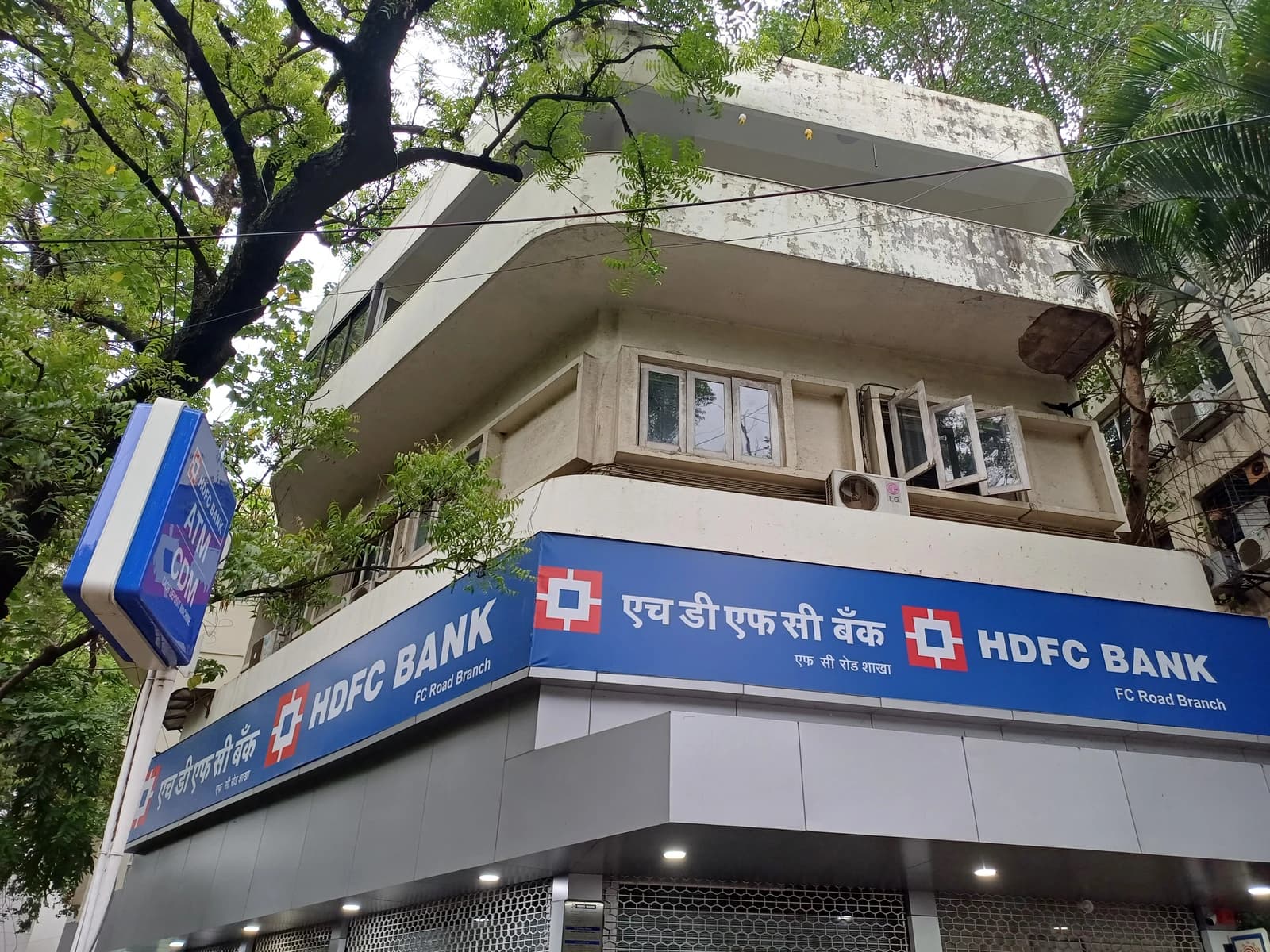
HDFC Bank has raised fixed deposit rates, lifting returns for retail savers and senior citizens in a move that underscores how fiercely India’s biggest private lender is competing for stable funding.
HDFC Bank raises fixed deposit rates
The bank’s revised rates offer up to 6.60% for general customers on longer tenures and as much as 7.20% for senior citizens, according to the new schedule. A three-year deposit of ₹5 lakh now yields ₹1,93,420 in interest at 6.60%, while the same amount for senior citizens at 7.05% returns ₹1,16,650 over three years. On a five-year deposit, senior citizens can earn ₹2,14,350 in interest at 7.20%. For a 10-year deposit, the maturity value on ₹5 lakh rises to ₹9,61,640 for regular customers and ₹10,12,040 for senior citizens.
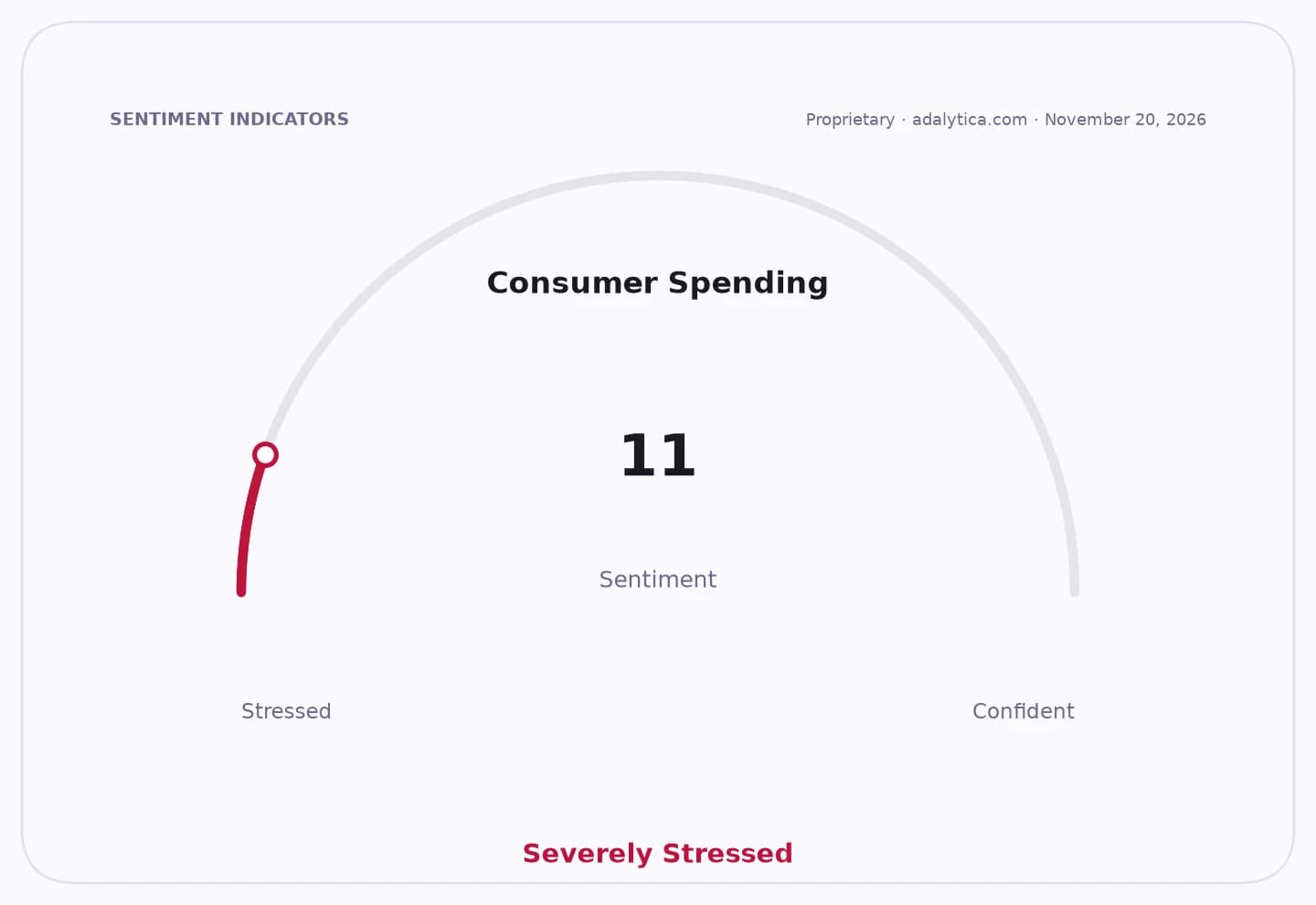
Sentiment Indicators

For HDFC Bank, the increase is less about improving headline yield and more about protecting its liability franchise. India’s largest private-sector bank has to continuously attract deposits to support loan growth, especially when funding costs are sticky and competition for household savings is intensifying across the banking system. Higher fixed deposit rates can help broaden the bank’s deposit base and reduce reliance on more expensive or less predictable funding sources.
That matters for investors because deposit pricing feeds directly into net interest margin, the key profitability measure for banks. If HDFC Bank has to pay up for deposits, it can preserve balance-sheet growth only by passing on some of that cost to borrowers or by accepting thinner spreads. The move also suggests the bank is prioritising balance-sheet stability over short-term margin expansion, a trade-off common among large lenders when credit demand remains firm.
The timing fits a wider global backdrop of rate-sensitive deposit competition. Banks from India to Australia have been lifting term-deposit yields as higher-for-longer rates keep savers in a position to demand better returns. In India, that competition is especially important because household deposits remain a core source of low-cost funding, and banks that lose pace on pricing can see pressure on deposit mobilisation.
For HDFC Bank, the immediate question is whether the higher rates draw enough incremental deposits to offset the cost. For investors, the key watchpoints are deposit growth, loan-deposit balance and whether the bank can defend margins without sacrificing market share. If funding inflows improve, the rate hike will look defensive and prudent; if not, it could signal that the battle for deposits is becoming more expensive across Indian banking.
| Entity | Gains | Losses |
|---|---|---|
| HDFC Bank deposit franchise | ▲More retail inflows | ▼Higher funding costs |
| Senior citizens | ▲Better fixed-income returns | ▼Lower relative borrowing costs for others |
| Existing fixed deposit investors | ▲Improved yields | ▼Limited upside if rates rise further |
| Borrowers / bank margins | ▲— | ▼Potentially thinner lending spreads |