Huawei’s new smartwatch with an inflatable blood-pressure cuff points to a harder-fought wearables market, where health features are becoming the main battleground and where Apple’s wristwear franchise faces a fresh challenge from Chinese rivals.
Huawei smartwatch with blood-pressure cuff
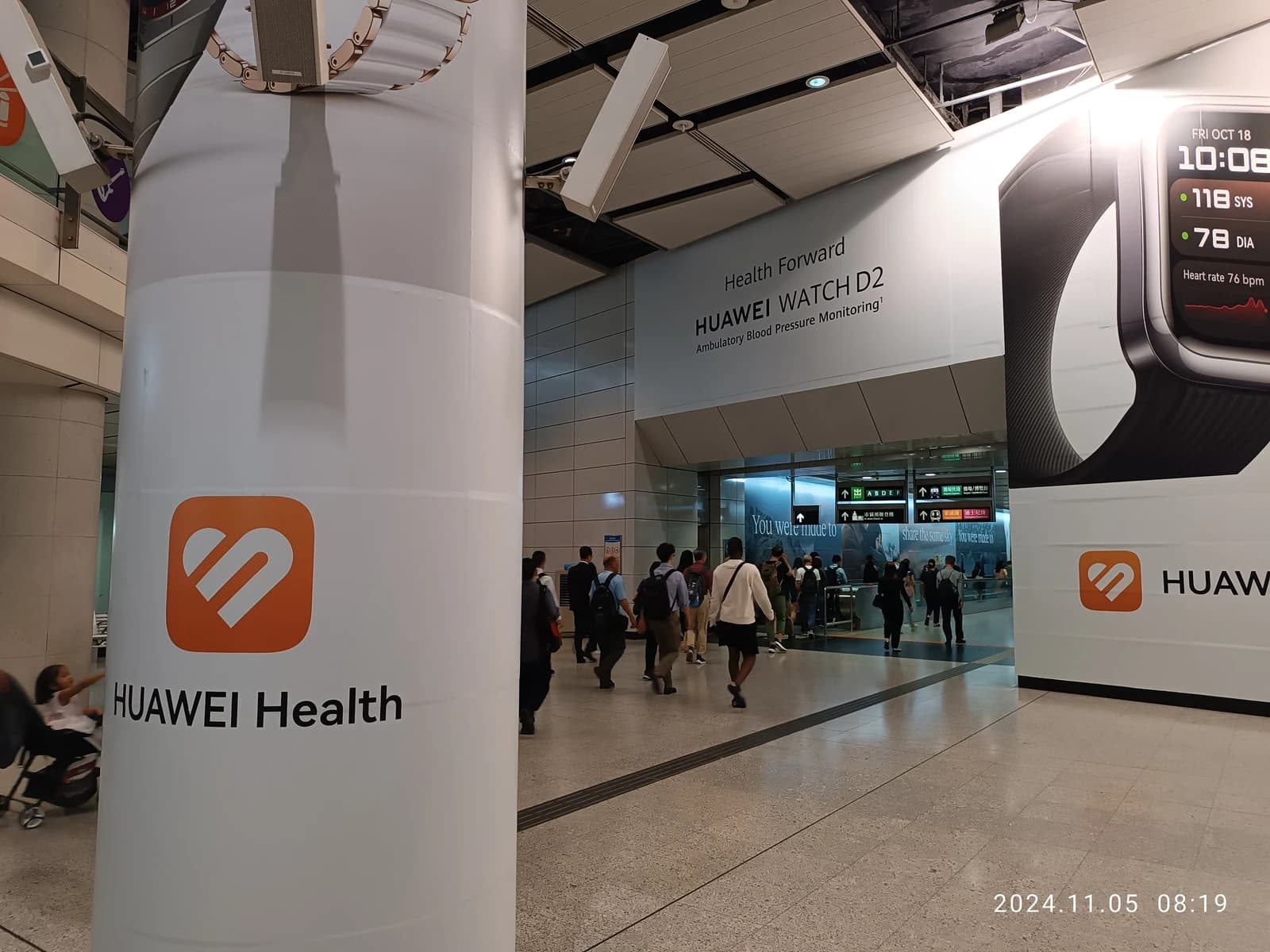
The device matters because it pushes smartwatches further into regulated health-monitoring territory, not just fitness tracking. A cuff-based design is closer to a traditional blood-pressure measurement than the optical sensors that dominate most consumer wearables, which could make the product more attractive to buyers looking for clinically useful readings rather than lifestyle metrics. That shift raises the stakes for the category: if consumers begin to treat watches as medical-adjacent devices, brands that can combine accuracy, battery life and ease of use may win more of the premium segment.
Sentiment Indicators
For Huawei, the launch extends a broader strategy of using differentiated hardware to compete in wearables even as it remains constrained in other global consumer-electronics markets. The company has been leaning into health and outdoor-use features, including battery-focused and extreme-sports models, to build a more durable ecosystem around its devices. A smartwatch that can physically inflate to check blood pressure is a clearer product distinction than incremental software upgrades and could help Huawei defend share in markets where it still has scale.
The move also matters for Apple, whose Watch line remains the category’s benchmark but faces pressure from rivals that are willing to experiment more aggressively with form factor and health monitoring. Apple’s wearables business has been built on integration, app depth and a broad installed base, but the company’s minority share in parts of the global device market makes it vulnerable if developers and consumers increasingly split their attention across competing ecosystems. The stock has been trading with a strong technical backdrop, with the shares recently above both the 50-day and 200-day moving averages, but that momentum will ultimately depend on whether the company can keep the Watch central to its health strategy.
The broader economic significance is that wearables are moving from discretionary gadgets toward recurring health platforms. That opens the door to higher average selling prices, stronger replacement cycles and eventually deeper ties to insurance, telehealth and subscription services. It also raises product-liability and regulatory questions, especially if blood-pressure readings are marketed as sufficiently accurate for health decisions. Companies that clear those hurdles could gain pricing power; those that cannot may be forced into a race to the bottom on features and battery life.
Investors should watch whether Huawei’s launch prompts a wider industry response from Apple, Samsung and Garmin, especially around blood-pressure monitoring, battery performance and software-led health analytics. The winners are likely to be the brands that can make medical-style features feel reliable without sacrificing comfort or battery life. The losers may be manufacturers stuck selling watches as simple accessories in a market that is increasingly rewarding devices that promise measurable health utility.
| Entity | Gains | Losses |
|---|---|---|
| Huawei | ▲Differentiated premium wearables | ▼Commodity smartwatch rivals |
| Apple | ▲Category validation for health wearables | ▼If rivals capture health-conscious buyers |
| Consumers seeking BP monitoring | ▲More choice and features | ▼Less clear medical accuracy |
| Traditional fitness-watch brands | ▲Broader market interest | ▼Pressure to match health hardware |