Hungary has created a sovereign AI platform, and that matters because control of data, models and infrastructure is quickly becoming as important as raw AI capability itself.
Hungary Creates Sovereign AI Platform

For investors, the bigger story is not just another national tech project. It is the widening push by governments and companies to keep sensitive workloads inside trusted borders as AI moves deeper into finance, public services and critical infrastructure. In that environment, sovereignty is becoming a feature buyers will pay for, not a slogan.
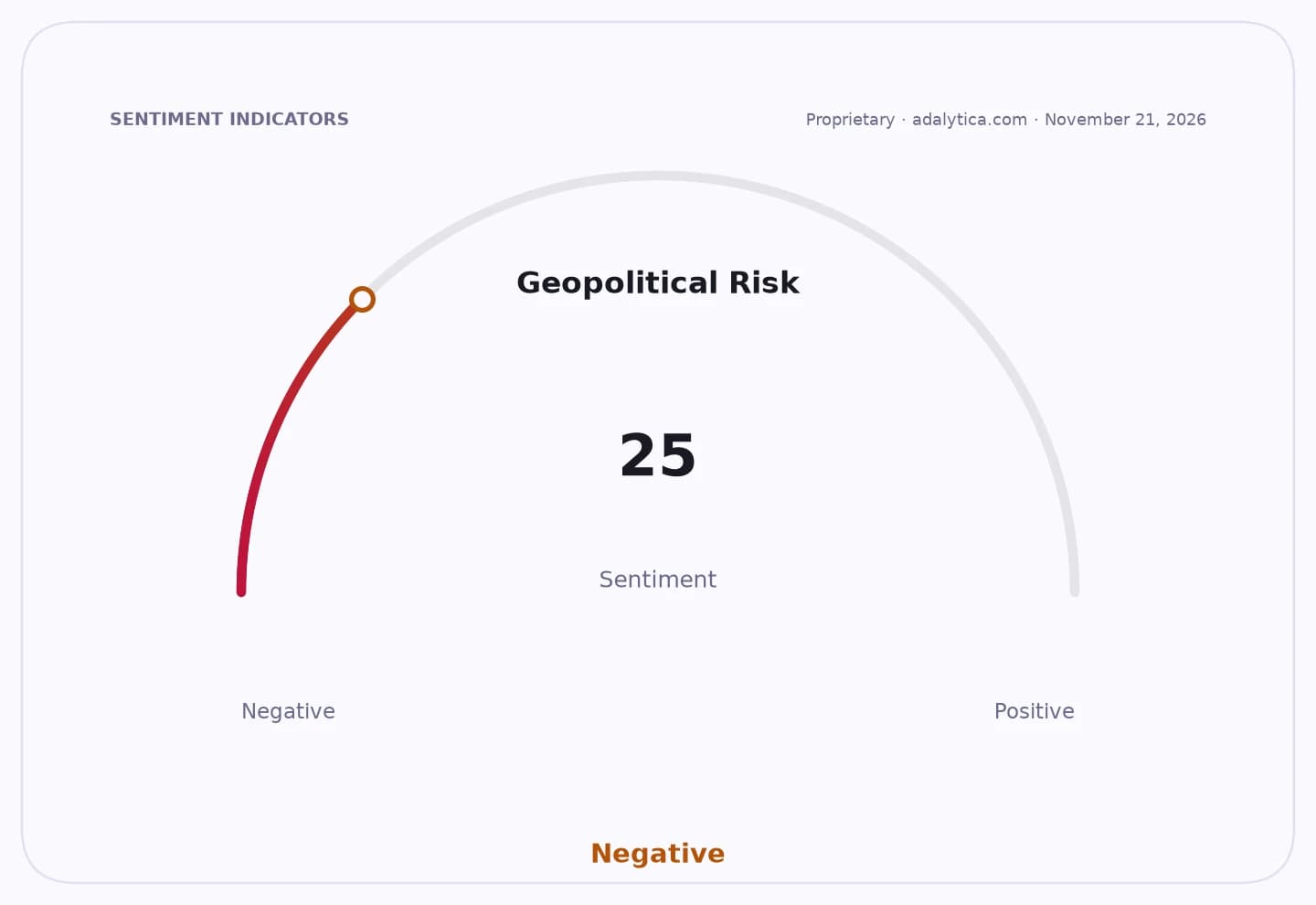
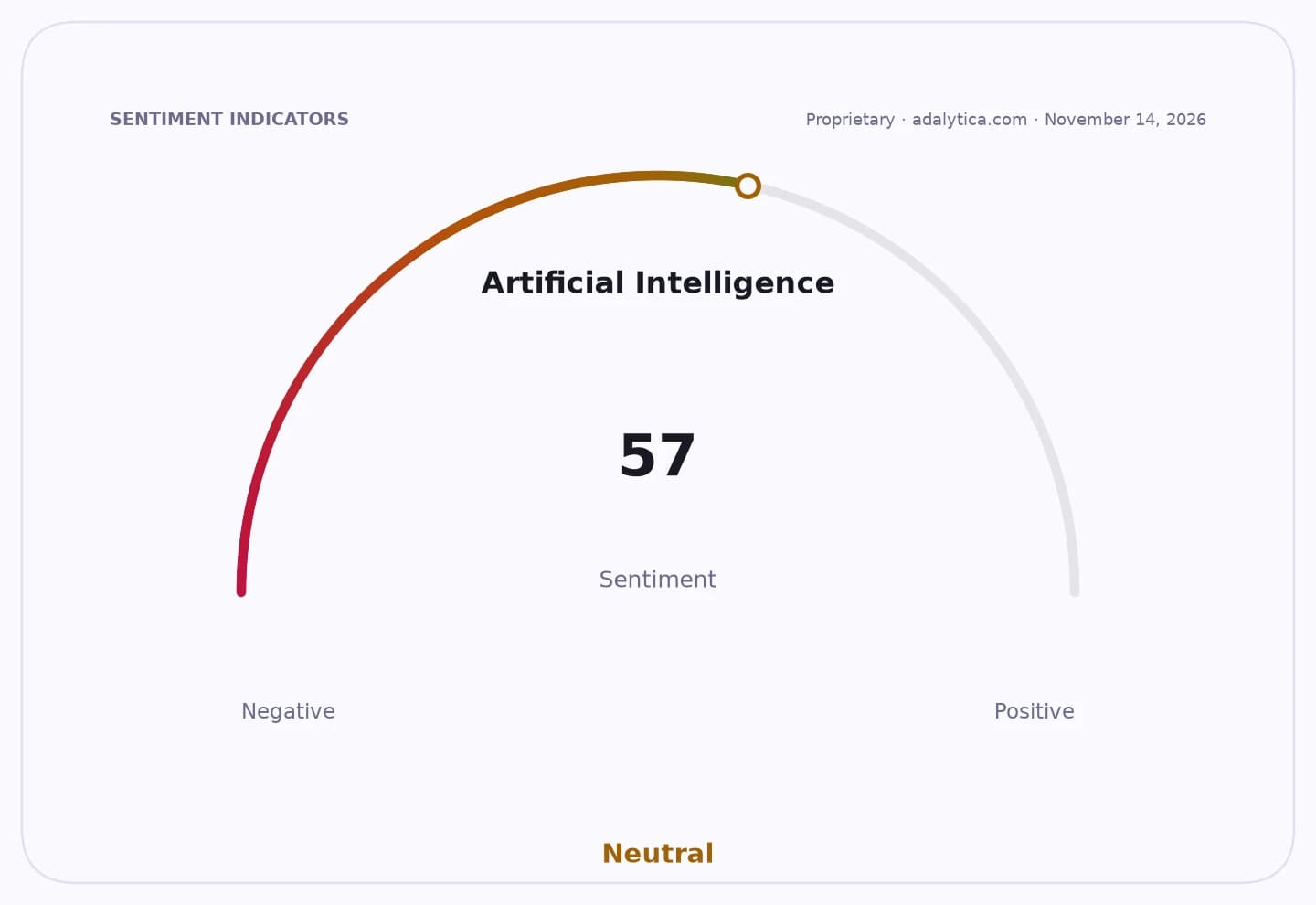
Sentiment Indicators
The move fits a broader European trend. Governments across the region are trying to reduce dependence on U.S. cloud and model providers, while also tightening oversight of AI systems that can expose credentials, leak prompts or create security vulnerabilities. The latest security-focused products in the market show how quickly demand is shifting from “can it do the job?” to “can it do it safely, locally and under our rules?”
That shift has economic consequences. Sovereign platforms can help keep high-value public contracts, compliance spending and enterprise workloads at home rather than pushing them to foreign hyperscalers alone. They also create room for local integrators, cybersecurity vendors and domestic cloud providers to win business around deployment, support and governance. For Hungary, that can mean more digital independence and more control over strategic data.
The flip side is cost and scale. National AI stacks usually carry higher upfront spending and may lag the frontier capabilities offered by the biggest global players. That makes them less likely to beat the likes of Alphabet, Amazon or Microsoft on sheer model performance, but more likely to compete on trust, regulation and localization. For investors, that opens a different way to play the theme: not only through the giants building the underlying AI infrastructure, but also through the companies that secure, host and manage sovereign deployments.
Adalytica’s trade-signal snapshot for the euro and Polish zloty also points to a more cautious regional tone, with sentiment readings in fear territory. That doesn’t change the AI story, but it does reinforce the backdrop: Europe is still balancing growth, security and strategic autonomy at a time when technology sovereignty is becoming a policy priority.
Over the next few years, expect more countries to follow Hungary’s lead with national or semi-national AI platforms, especially where government data, defense, health care and regulated industries are involved. For long-term investors, the opportunity is in the picks-and-shovels layer: cybersecurity, sovereign cloud, enterprise software and the infrastructure providers that make localized AI possible. Worth watching, and worth adding to a long-term watchlist.
| Entity | Gains | Losses |
|---|---|---|
| Hungary government | ▲Data control and digital autonomy | ▼Reliance on foreign AI stacks |
| Local IT and cyber vendors | ▲Sovereign deployment contracts | ▼Pure commodity cloud pricing |
| Global hyperscalers | ▲More regional demand for infrastructure | ▼Exclusive control of workloads |
| Enterprises and regulators | ▲Better compliance and security | ▼Lower-cost but less-controlled platforms |