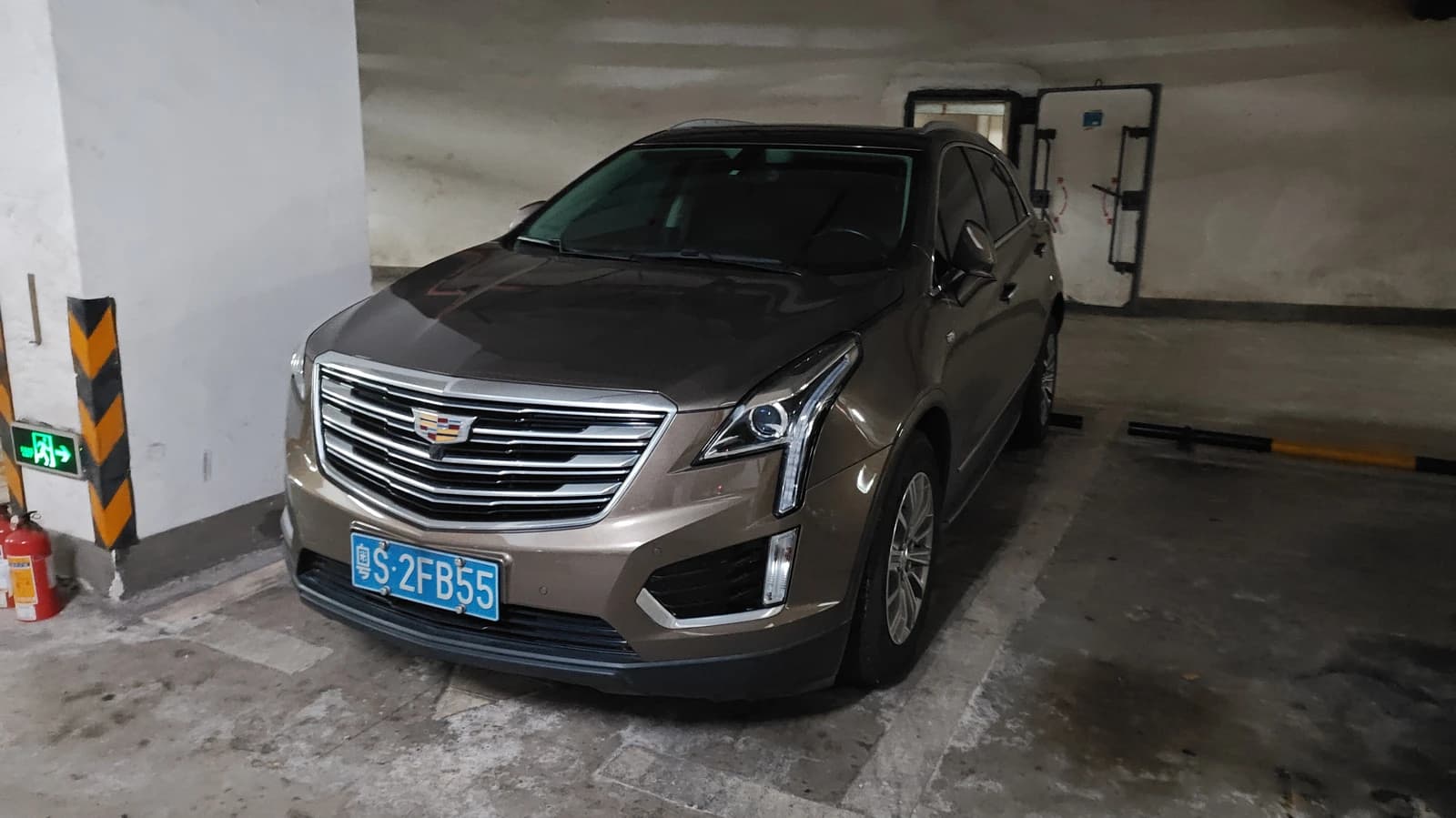
Hyundai has opened pre-bookings for its all-new Ioniq V in China at a starting price of 119,900 yuan, or about $17,800, sharpening a fight for budget-conscious buyers in the world’s biggest electric-vehicle market.
Hyundai Ioniq V pre-bookings open in China
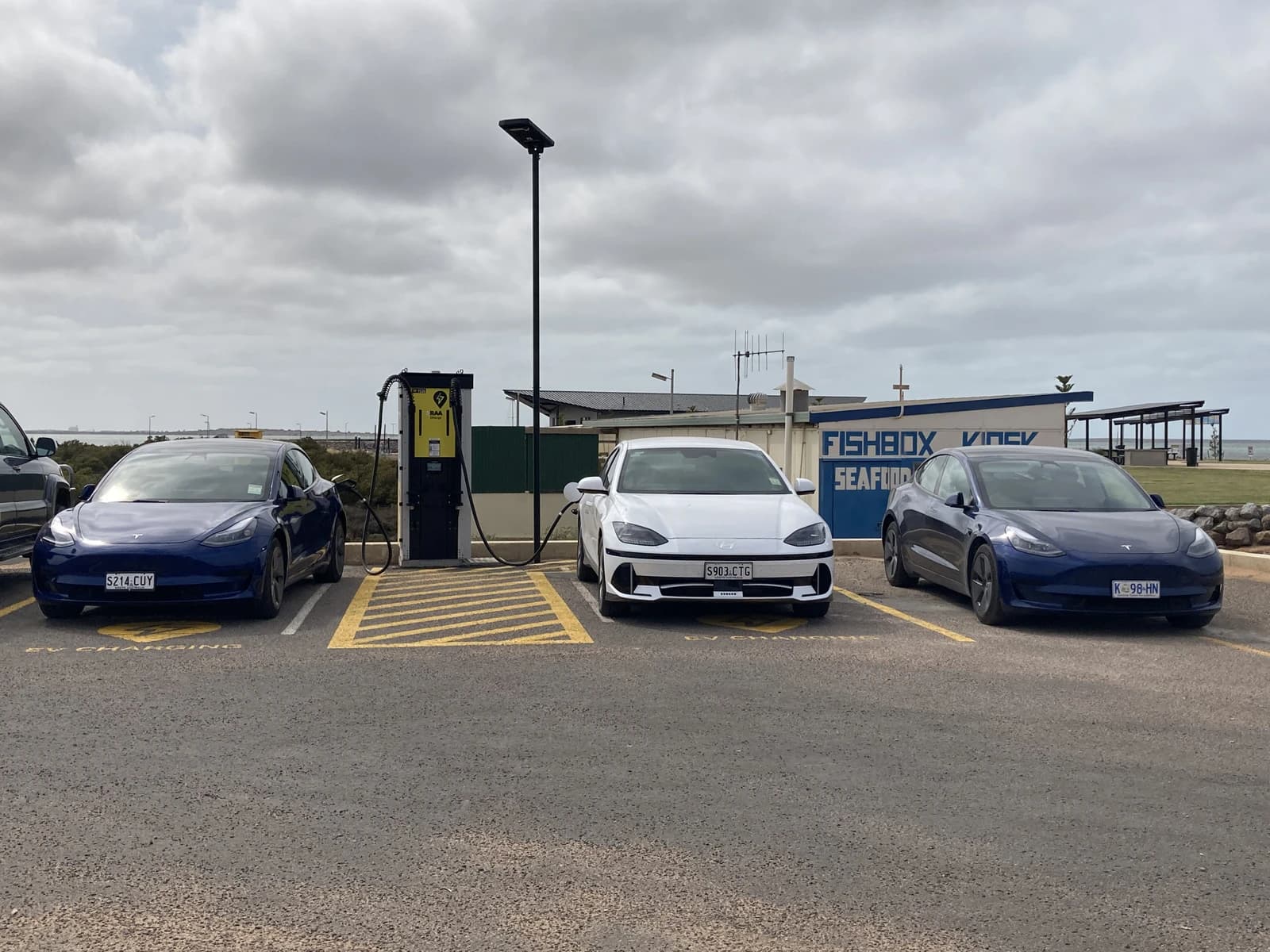
The launch matters because China is where automakers are being forced to prove they can sell EVs at mass-market prices without destroying margins. Hyundai is pitching the Ioniq V as a low-cost alternative in a segment crowded with domestic rivals that have already reset consumer expectations on range, features and price.
Sentiment IndicatorsⓘProprietary · adalytica.com · August 22, 2026
This is a snapshot — live sentiment, awareness and momentum for 130+ markets update continuously in the dashboard.Open AlphaPulse
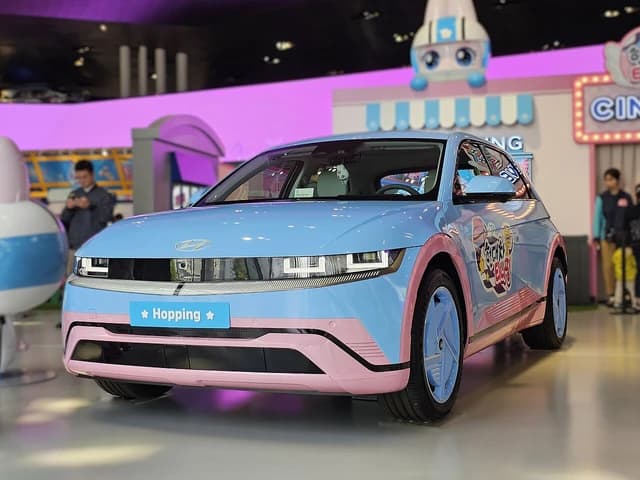
The move also puts fresh pressure on established foreign and local brands that are trying to defend share as Chinese buyers gravitate toward cheaper EVs and plug-in hybrids. A sub-$18,000 starting price puts Hyundai squarely in the affordability battle, where product execution and pricing discipline increasingly matter more than badge value.
For investors, the key question is whether Hyundai can use the model to rebuild relevance in China after years of weak momentum in the market. The company is trying to show it can compete not only on design and technology, but on the one lever that is driving volume in China: price.
The broader industry backdrop is one of intensifying competition across EV lineups in Asia and beyond. Tesla shares have been volatile and remain well below last year’s highs, while Toyota’s stock has been more resilient, reflecting expectations that legacy automakers with scale and hybrid exposure may weather the price war better than pure EV names.
Technical indicators on Toyota’s U.S.-listed shares suggest the stock has recovered from earlier weakness, with the price above both its 50-day and 200-day moving averages and RSI readings near overbought territory. Tesla’s shares have also rebounded from a sharp summer selloff, but the stock remains below its 200-day moving average and has been trading with elevated volatility.
The next catalyst is whether Hyundai can convert pre-bookings into meaningful deliveries and whether rivals respond with fresh discounts or new trims in China’s increasingly unforgiving EV market.
| Entity | Gains | Losses |
|---|---|---|
| Hyundai | ▲China EV visibility | ▼Margin pressure |
| Chinese buyers | ▲Lower-priced EVs | ▼Less pricing power |
| Rival automakers | ▲Bigger market demand pool | ▼Share losses |
| Toyota/legacy peers | ▲EV benchmark clarity | ▼Competitive pressure |