Short selling is under the microscope again, and that matters because exchange operators make money when markets stay active but orderly — not when leverage, volatility and settlement risk begin feeding on each other. For investors, the key story is that the infrastructure players behind equity trading are increasingly positioned as toll roads for risk management, while brokers, market-makers and highly shorted names face a more fragile trading backdrop.
ICE CME Nasdaq Cboe and short-selling stress
The business case is straightforward: when short selling intensifies, exchanges and clearing venues have to prove they can contain counterparty exposure, liquidity strain and forced-buying cascades. That raises the value of the plumbing itself — margining, surveillance, clearing and auction mechanisms — and helps explain why exchange groups such as Intercontinental Exchange, Cboe Global Markets, Nasdaq and CME remain core holdings for investors looking for durable fee streams tied to market activity rather than direction.
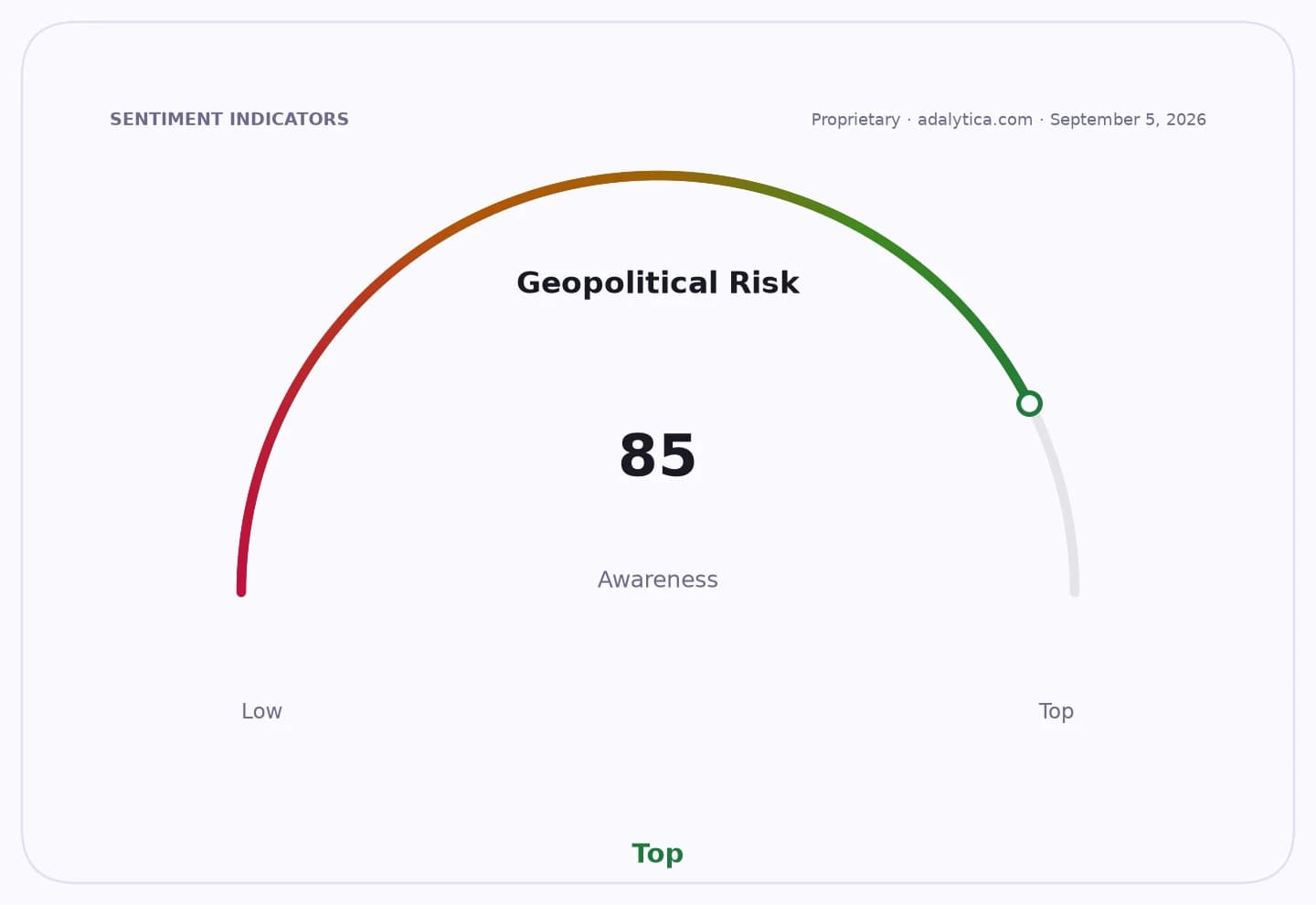
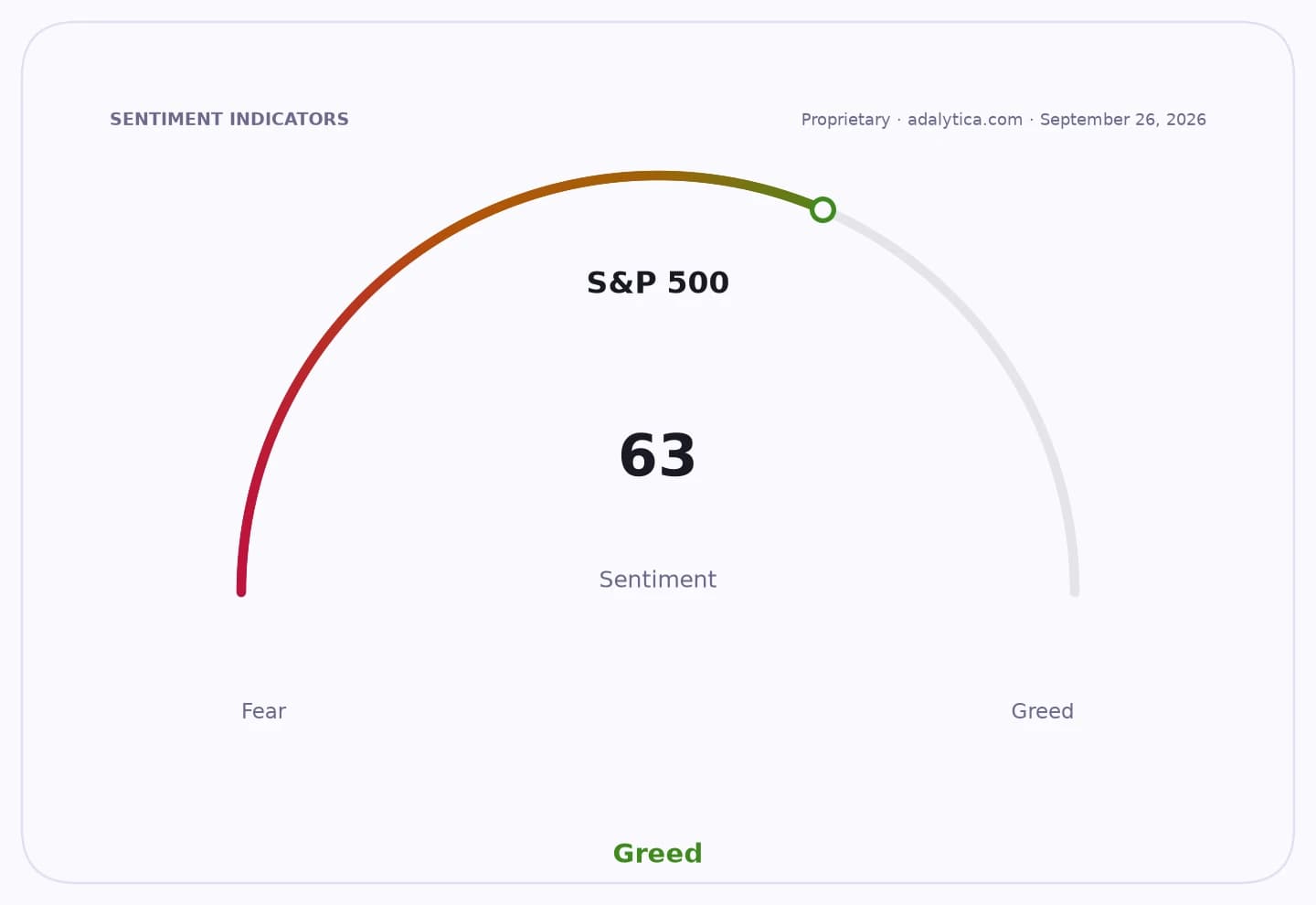
Sentiment IndicatorsⓘProprietary · adalytica.com · September 26, 2026
This is a snapshot — live sentiment, awareness and momentum for 130+ markets update continuously in the dashboard.Open AlphaPulse
The price action says the market is still sorting winners from losers. ICE has held up better than many financials, supported by a trade that keeps it near its 50-day moving average, while Cboe has been weaker, sitting below both its 50-day and 200-day averages after a sharp drop and an RSI reading in deeply oversold territory. Nasdaq has also come off its highs, though it remains above its 200-day average, suggesting investors are not abandoning the sector so much as re-rating which platforms are best insulated from a jump in market stress. CME, meanwhile, has slipped back toward its 200-day average after a summer run, reflecting the same broad reset in risk appetite.
That divergence matters because short-selling stress tends to lift demand for the very services exchanges provide. More volatility usually means more options activity, wider use of risk controls and more scrutiny of settlement and collateral practices. In exchange-land, that is not a bug; it is the product. The big opportunity is that the market often focuses on transaction volumes in quiet conditions, while underestimating how much these firms earn when turbulence forces institutions to hedge, rebalance and pay up for protection.
Adalytica’s trade-signal snapshot on the S&P 500 shows sentiment still neutral, which fits a market that is neither euphoric nor panicked. But the same setup can change quickly if short interest climbs in crowded positions or if volatility picks up across equities, currencies or rates. The U.S. dollar’s own signal profile points to heightened tension, underscoring that cross-asset moves can still sharpen margin demands and raise the need for clearing discipline.
For investors, the thesis is simple: exchanges and clearinghouses are not just cyclical trading proxies, they are the picks-and-shovels behind modern market risk management. If short selling becomes more controversial, more regulated or more destabilizing, the beneficiaries are likely to be the venues that control the rules, collect the fees and manage the collateral. That keeps ICE, CME, Nasdaq and Cboe on the radar as defensive growth assets with embedded leverage to volatility, and it makes short-selling risk control a structural theme rather than a temporary market headline.
| Entity | Gains | Losses |
|---|---|---|
| ICE, CME, Nasdaq, Cboe | ▲Higher risk-management demand | ▼None if markets stay orderly |
| Clearinghouses | ▲More collateral and clearing activity | ▼Greater operational burden |
| Short sellers | ▲Faster exits in crowded trades | ▼Higher borrow and margin costs |
| Long-only investors | ▲Better market integrity | ▼More volatility in weak names |