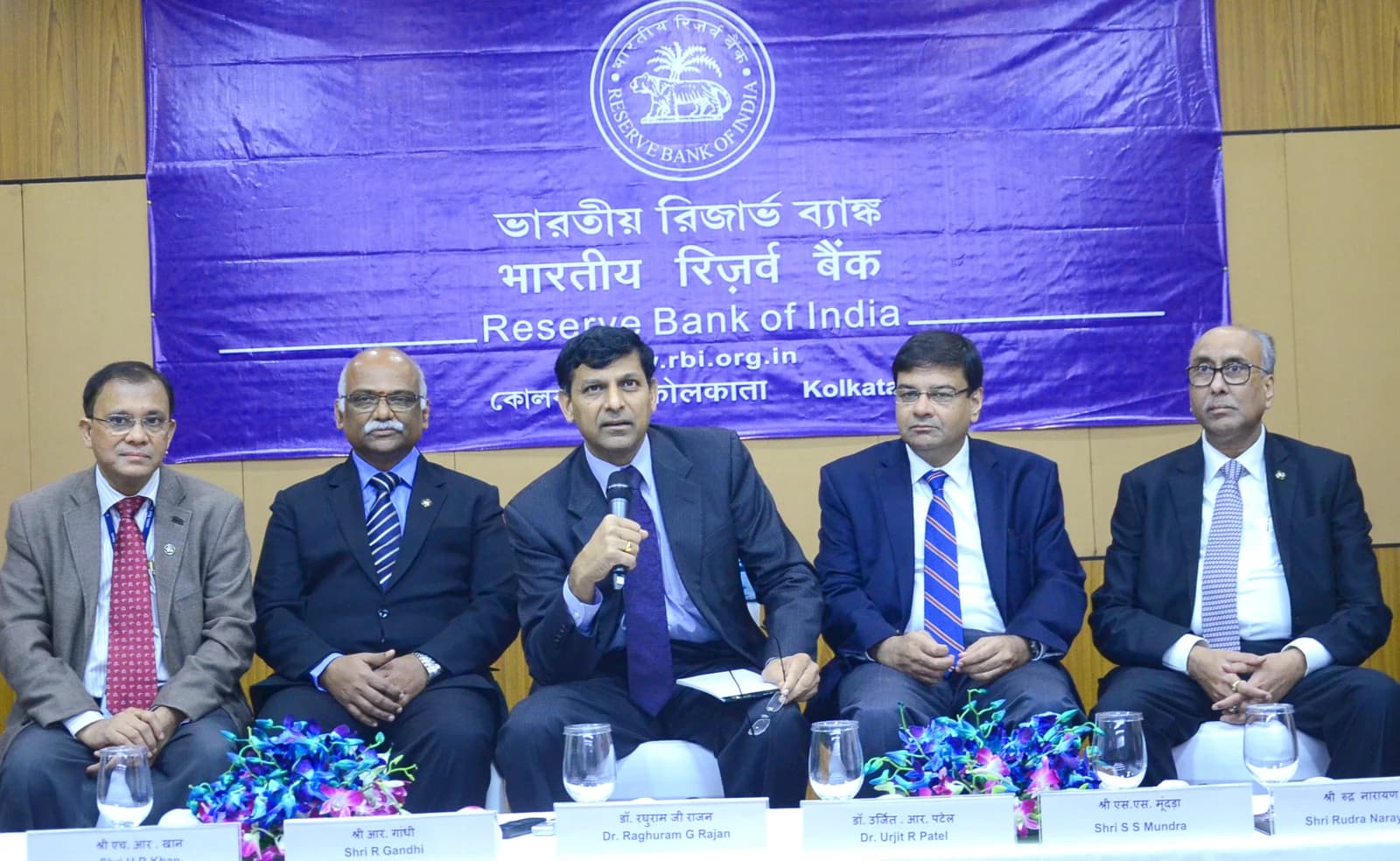
India’s banking system has swollen to a record liquidity surplus of Rs 9.7 trillion, forcing the Reserve Bank of India to manage an unusual problem: too much rupee cash at a time when its own dollar-deposit swap programme is still feeding the system.
India banks record Rs 9.7 trillion liquidity surplus

That matters because the surplus, equal to about $102.7 billion, is now the largest on record and well above the previous high of Rs 9.2 trillion in September 2021. For the RBI, abundant liquidity can support credit and economic activity, but if it persists it makes it harder to anchor overnight money-market rates and keep monetary transmission under control.
Sentiment IndicatorsⓘProprietary · adalytica.com · September 5, 2026
This is a snapshot — live sentiment, awareness and momentum for 130+ markets update continuously in the dashboard.Open AlphaPulse

The latest build-up has been driven largely by banks raising $127.23 billion under the central bank’s non-resident foreign currency deposit programme, with much of that money already swapped into rupees. Those transactions effectively add domestic liquidity even as they help shore up foreign-currency funding, creating a familiar RBI trade-off: attract dollars, but avoid leaving the system awash with rupees.
Nomura economists Sonal Varma and Aurodeep Nandi said the RBI is facing an “abundance problem”. They expect some of the excess to drain as festive-season currency demand rises, forward contracts mature and the central bank intervenes in the foreign-exchange market. Even so, they warn the surplus is likely to remain large enough that the RBI may need to rely on a mix of liquidity-absorbing tools to sterilise the system.

For markets, the immediate implication is lower pressure on short-term rates and potentially easier funding conditions for banks and borrowers. The broader risk is that prolonged excess liquidity blunts the central bank’s ability to signal policy through overnight rates, especially if banks continue to park cash at the RBI rather than deploy it aggressively into lending.
The backdrop is broadly supportive for Indian assets: abundant liquidity can amplify credit growth, and investors usually view a banking system flush with funds as a positive for loan expansion and near-term domestic demand. But the bear case is that if the RBI has to step up absorption operations, or if policy makers worry that liquidity is too loose, money-market rates could become more volatile and bank treasuries could face a period of adjustment.
For investors, the key question is not whether the surplus is positive in the abstract, but how long it lasts and how the RBI chooses to manage it. If the excess proves temporary, it could help underpin credit growth and risk appetite. If it becomes entrenched, it raises the likelihood of more active central bank intervention and a more complex rate environment heading into the next policy decisions.
| Entity | Gains | Losses |
|---|---|---|
| Indian banks | ▲Cheaper funding | ▼Tighter liquidity management |
| Borrowers | ▲Easier credit conditions | ▼None immediate |
| RBI | ▲Stronger credit transmission | ▼Harder overnight rate control |
| Money-market rate sellers | ▲Lower funding costs | ▼Less scarcity premium |