India’s air-quality regulator has moved beyond setting pollution-reduction goals and is now tying those targets to named officials, a shift that could make Delhi-NCR’s chronic smog crisis harder to ignore and more likely to trigger administrative consequences.
India CAQM orders 2027 district pollution cuts
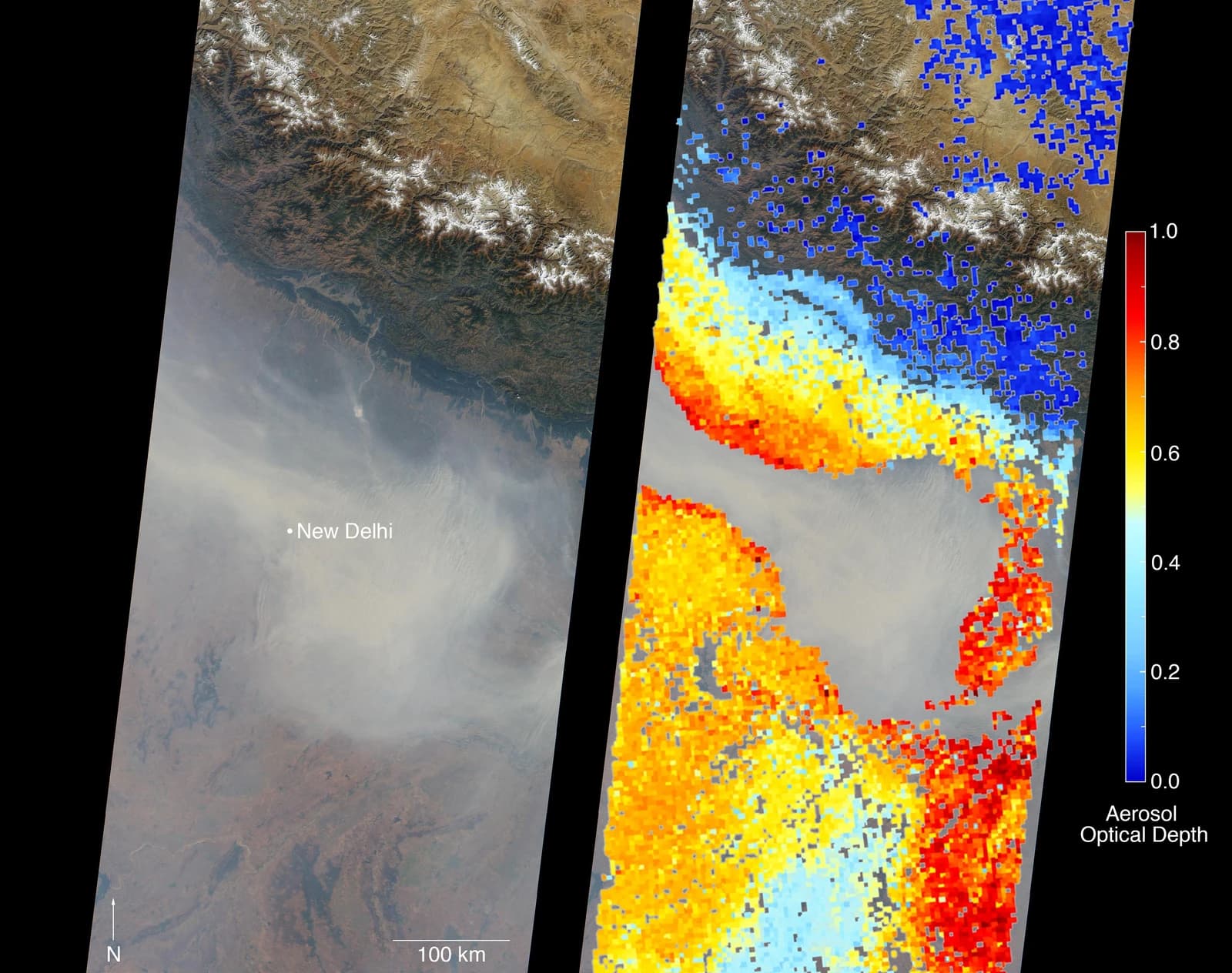
The Commission for Air Quality Management has ordered Delhi, Haryana, Uttar Pradesh and Rajasthan to draw up district-level plans for 2027 with a minimum 15% cut in pollution and an aspirational 20% reduction, while also identifying the specific officers responsible for delivery. If the targets are missed, the commission says it will recommend administrative action. That matters because India’s capital region has long had no shortage of anti-smog plans, but far less clarity over who is accountable when those plans fall short.
The policy change is significant economically because persistent pollution is not just a public-health issue; it is a drag on labor productivity, transport efficiency, construction activity and consumer spending during the winter months, when air quality deteriorates sharply. For governments, stricter accountability could force better execution of measures ranging from road paving and dust suppression to vehicle-emissions control and industrial enforcement. For businesses operating in the region, it raises the likelihood of more aggressive compliance checks, disruptions at construction sites and tighter scrutiny of polluting activities.
The timing also reflects the failure of past plans to translate into meaningful implementation. According to progress reports cited by the commission, Delhi, Haryana, Rajasthan and Uttar Pradesh had completed only 40% to 60% of the pollution-control steps in their 2026 annual action plans by Sept. 30. Delhi still has unfinished work on paving roads to curb dust, while smaller cleaning machines remain insufficient for narrow and medium-width streets. In other words, the new 2027 target is being introduced against a backdrop of incomplete execution, not a clean slate.
That is why the emphasis on district-level ownership matters. By naming responsible officers and linking performance to potential administrative action, CAQM is trying to move pollution control from a paper exercise to a measurable management process. Environmental policy experts say that without regular data updates, trained staff and public reporting, the accountability push could still falter. But if implemented, it would mark one of the more forceful attempts yet to make India’s air-quality governance consequence-based rather than advisory.
For investors, the development reinforces a familiar theme in India: environmental regulation is becoming more operationally intrusive, not less. Companies exposed to construction, logistics, manufacturing and waste-management compliance in the NCR may face higher monitoring costs and faster enforcement cycles, while firms selling air-quality, remediation or environmental services could see more sustained policy demand. The broader test now is whether 2027 marks the start of measurable improvement in Delhi-NCR’s air or simply another round of targets that the bureaucracy is expected to chase without enough tools to deliver.
| Entity | Gains | Losses |
|---|---|---|
| CAQM | ▲stronger enforcement leverage | ▼credibility if targets are missed |
| District officials | ▲clearer mandates | ▼higher accountability risk |
| Environmental service providers | ▲more compliance demand | ▼— |
| Polluting industries/builders | ▲— | ▼tighter scrutiny and penalties |