The old UNC site in Yongsan-gu, where lead was found at 22.8 times the allowed level, is moving under a new “construction after cleanup” condition that raises the bar for redevelopment and underscores the legal and financial risk tied to contaminated land.
Yongsan lead site faces cleanup rule for redevelopment
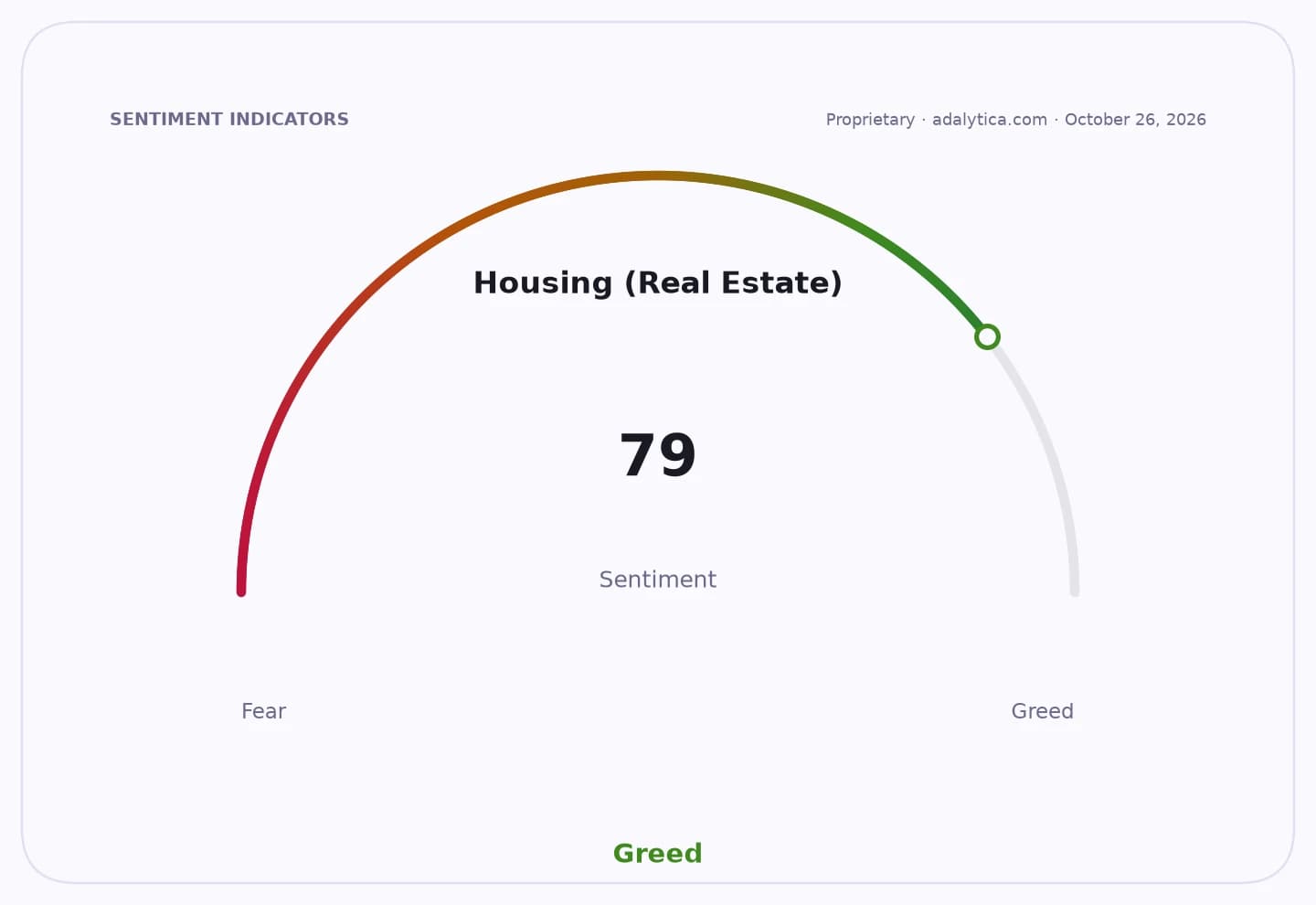
Housing (Real Estate)
The decision matters because it turns a pollution problem into a project gatekeeper. Sites with industrial, military or legacy-use contamination can no longer be treated as straightforward infill opportunities; they now face longer permitting timelines, higher remediation costs and a greater chance of design changes or delays before any shovel hits the ground.
Sentiment Indicators
For developers, contractors and local buyers, that means the economics of the property can change quickly. Cleanup obligations can eat into land value, compress margins and push back cash flows, while lenders and insurers are likely to price in more uncertainty around soil testing, disposal and post-remediation monitoring.
The issue also reflects a broader policy shift in urban redevelopment, where environmental clearance is becoming a prerequisite rather than a box-ticking exercise. That can support firms with remediation expertise and penalize projects that depend on fast turnover or thin contingency budgets.
Adalytica’s Housing Fear & Greed Index for XHB sits at 11, or “Extreme Fear,” while the S&P 500 trade-signal gauge shows “Extreme Fear” as well, a backdrop that suggests investors are already cautious on housing and construction-related risk. Shares of Granite Construction, tracked by GVA, have been volatile and closed at $121.77 on Nov. 23, while Lennar and D.R. Horton have also seen sharp swings, reflecting how quickly sentiment can shift when project economics come under pressure.
The next catalyst is likely to be how strictly local officials enforce remediation standards on the site and whether the cleanup timetable becomes a template for other contaminated urban parcels.
| Entity | Gains | Losses |
|---|---|---|
| Local residents | ▲Lower exposure risk | ▼Longer redevelopment timeline |
| Cleanup contractors | ▲More remediation work | ▼None |
| Developers | ▲Clearer compliance rules | ▼Higher costs, delayed construction |
| Landowners at contaminated sites | ▲Potentially cleaner asset | ▼Reduced land value |