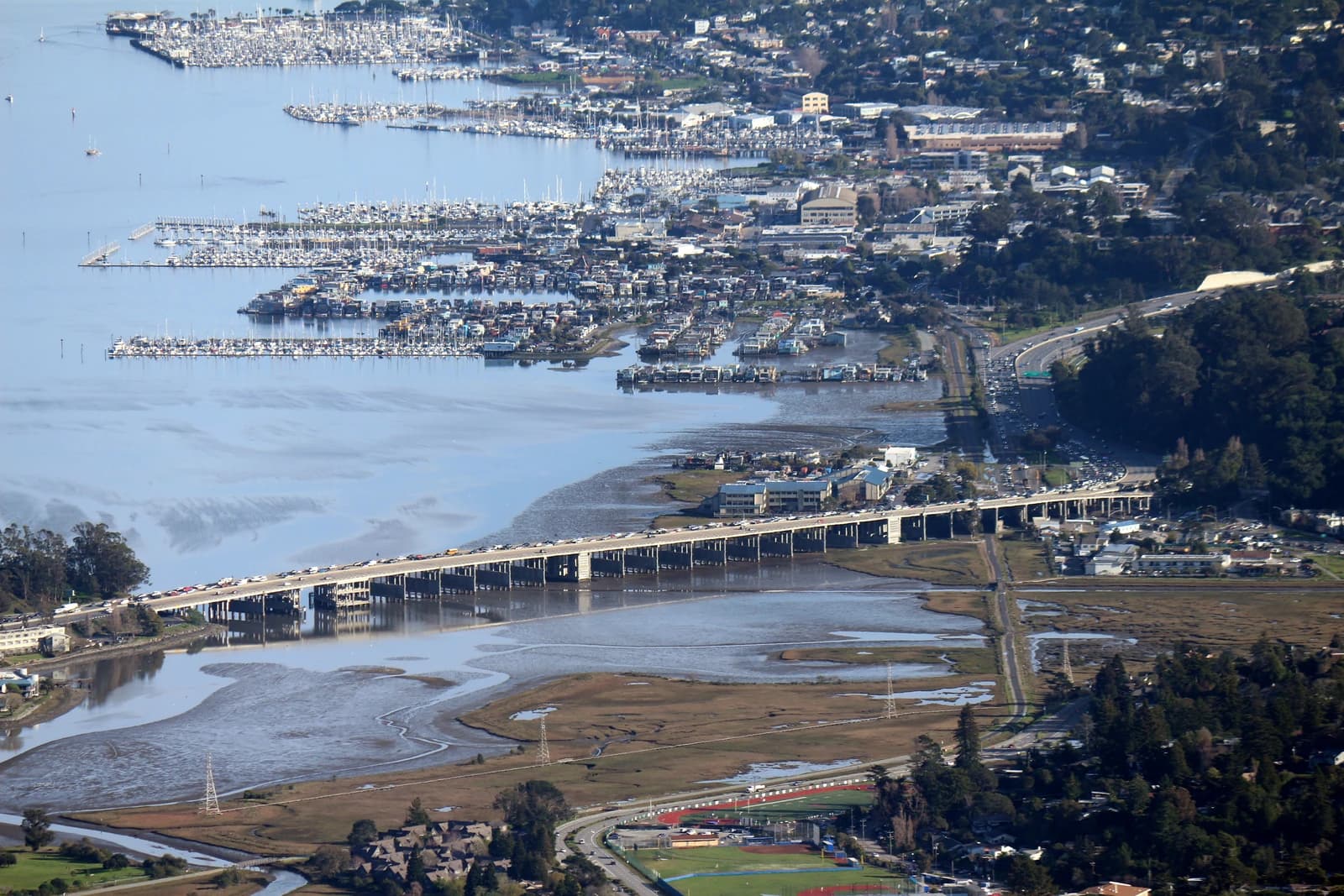
Sausalito’s new AI-powered “Storm-Ready Home Planner” is a small-city digital tool with a bigger economic message: flood preparedness is moving from public policy into individual property decisions, and that shift is beginning to reshape how homeowners, insurers and local governments price climate risk.
Sausalito launches AI storm-ready home planner
The planner uses city records and property data to generate customized recommendations for flood readiness, making resilience more specific to a home rather than a neighborhood slogan. That matters because the costs of storms, flooding and sea-level rise are increasingly being pushed into the housing market through insurance premiums, mortgage underwriting, maintenance budgets and resale values. A tool that translates municipal data into household-level action lowers the information barrier for owners, and may encourage earlier spending on mitigation measures that can reduce downstream losses.
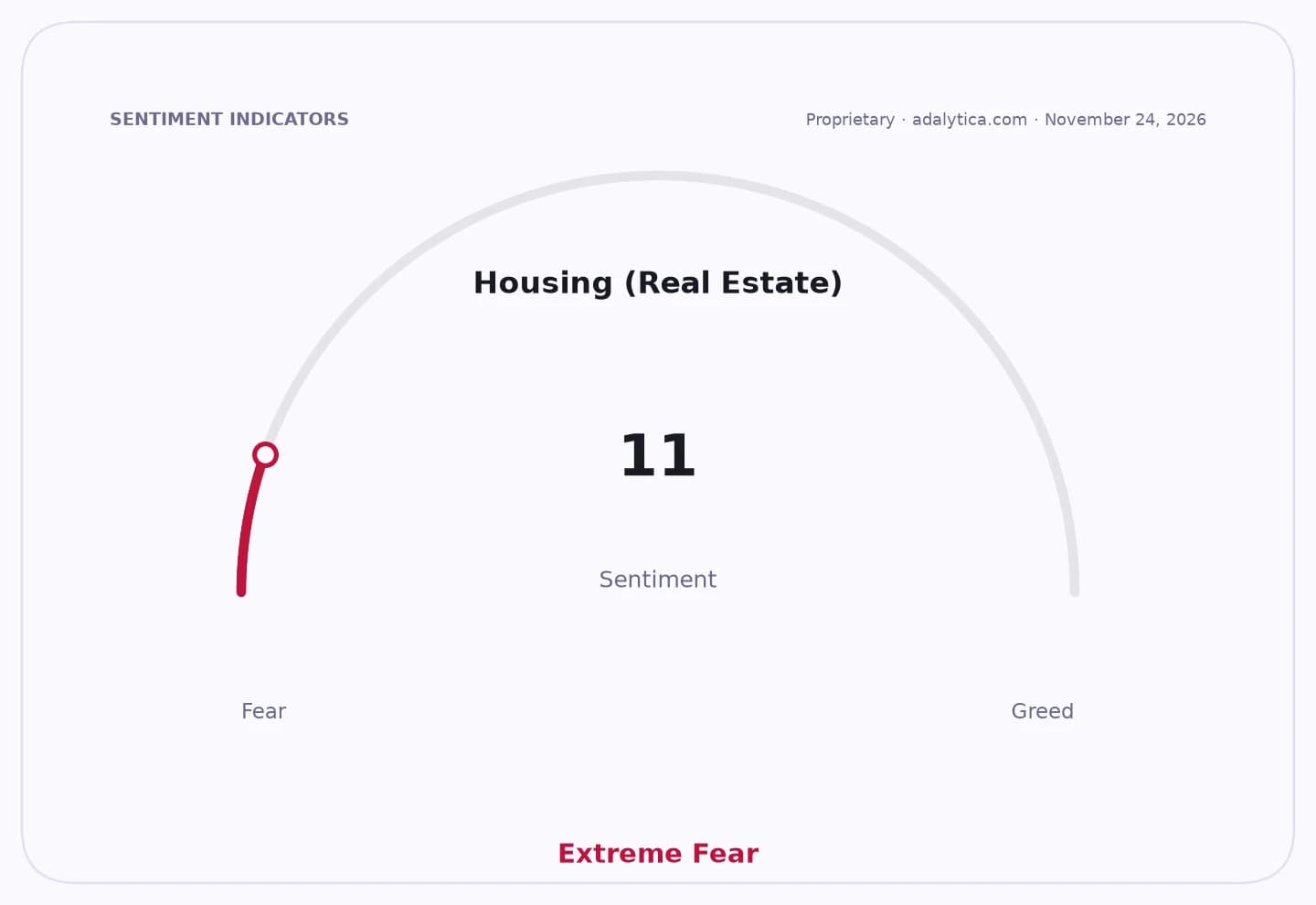
Sentiment Indicators
The timing is notable. U.S. inflation remains elevated, with the Consumer Price Index forecast at 338.65 in November after October’s 337.48 reading, while the 10-year Treasury yield is still near 4.92%. That mix keeps borrowing costs high for any home upgrade program and makes prevention more valuable than repair. For homeowners, resilience investments such as flood barriers, drainage improvements and elevation work are easier to justify when they are tied to a specific property risk profile rather than a generic preparedness checklist.
For insurers, the message is more complicated. The benefits of improved preparedness could eventually reduce claims severity in exposed coastal markets, but better risk awareness can also accelerate repricing, nonrenewals and demand for coverage in places where losses are rising. That is relevant for companies such as Travelers and Allstate, which have repeatedly flagged catastrophe losses and underwriting pressure in their filings. If more homeowners act on granular risk information, the result could be fewer large losses over time — but also a faster adjustment in premium levels as the market prices risk more explicitly.
The tool also fits a broader policy trend. Internationally, governments are emphasizing resilience and disaster readiness as climate volatility rises, and local digital planning tools are becoming part of that response. Sausalito’s approach suggests a model other municipalities could copy: use existing public records, automate personalized guidance and nudge residents toward adaptation before the next storm arrives.
For investors, the important takeaway is that climate adaptation is becoming operational rather than rhetorical. That creates a more constructive backdrop for insurers with strong pricing discipline and for suppliers tied to repair, retrofit and home-hardening spending. It also underscores a structural challenge for coastal housing: the better the risk data becomes, the harder it is for the market to ignore it.
| Entity | Gains | Losses |
|---|---|---|
| Sausalito city government | ▲Better resilience outreach | ▼Higher implementation burden |
| Homeowners in flood zones | ▲Clearer preparedness guidance | ▼Upfront retrofit costs |
| Insurers such as TRV, ALL, PGR | ▲Better risk selection over time | ▼Short-term claims and repricing pressure |
| Coastal housing owners | ▲Potentially lower damage severity | ▼Greater visibility of climate risk |