India’s federal investigators have broken up a pan-India banking recruitment racket that allegedly preyed on job seekers and public trust, arresting four people including a Central GST inspector in a case that underscores how organized fraud is increasingly intersecting with financial-sector hiring.
India CBI Busts Banking Recruitment Racket
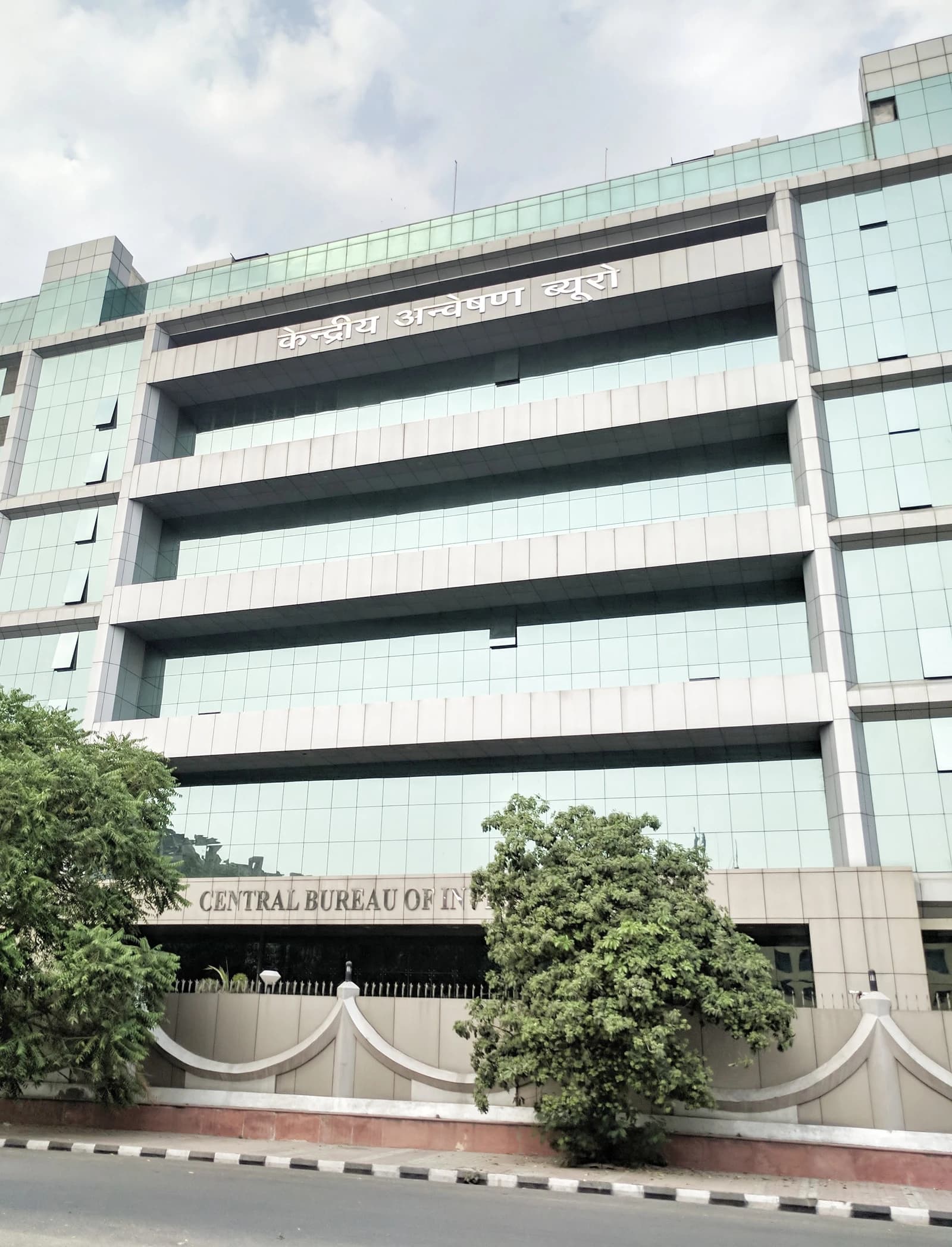
The Central Bureau of Investigation’s action matters beyond the arrests themselves because recruitment scams can distort access to public-sector jobs, drain household savings and erode confidence in institutions that millions of people still view as stable employers. In a banking system already contending with technology-driven fraud, the case points to a broader vulnerability: criminals are targeting not just bank accounts, but the credibility of banks as employers.
Sentiment IndicatorsⓘProprietary · adalytica.com · October 10, 2026
This is a snapshot — live sentiment, awareness and momentum for 130+ markets update continuously in the dashboard.Open AlphaPulse

The scale of the alleged racket suggests a coordinated operation rather than an isolated impersonation scheme. By spanning multiple states, the network appears to have used the complexity of India’s hiring process to sell fake promises of jobs in the banking sector, a lure that is particularly effective in a labor market where stable white-collar positions remain scarce relative to demand.
The arrest of a CGST inspector is significant because it raises the prospect of insider access and possible misuse of official credentials, which can make scams harder for victims to detect. That, in turn, could increase the scrutiny faced by public agencies and regulated employers over verification procedures, document authentication and the use of intermediaries in recruitment.
For investors, the direct financial hit from this case is limited, but the implications are broader for Indian banks and listed lenders that rely heavily on trust and digital onboarding. More fraud around hiring and identity verification can mean higher compliance costs, greater pressure to strengthen controls and additional reputational risk if customers or applicants associate such schemes with the banking brand itself.
The story also fits a wider pattern of financial crime becoming more sophisticated and more industrialized. Whether it is fake loan offers, impersonation calls or bogus branch-related schemes, fraudsters are exploiting the same thing: public trust in banks. That leaves lenders and regulators with a familiar but costly task — tightening verification without slowing legitimate access to jobs and services.
For now, the CBI arrests may deter some operators, but the bigger test will be whether banks, regulators and law-enforcement agencies can close the gaps that allow recruitment fraud to travel across states and exploit official-looking channels. The case is a reminder that in financial services, trust is not just a consumer issue; it is an economic asset that has to be continuously defended.
| Entity | Gains | Losses |
|---|---|---|
| CBI | ▲enforcement credibility | ▼none |
| Job seekers | ▲better warning signs | ▼scam losses |
| Banks | ▲pressure to tighten controls | ▼reputational risk |
| Fraud network | ▲none | ▼arrests, asset seizure risk |