Indian mutual fund investors pushed more money into equities in June while debt schemes kept shrinking, AMFI data showed, reinforcing a household-savings rotation that is becoming increasingly important for India’s macro and market cycle.
India Equity Inflows Support Selective Risk Exposure
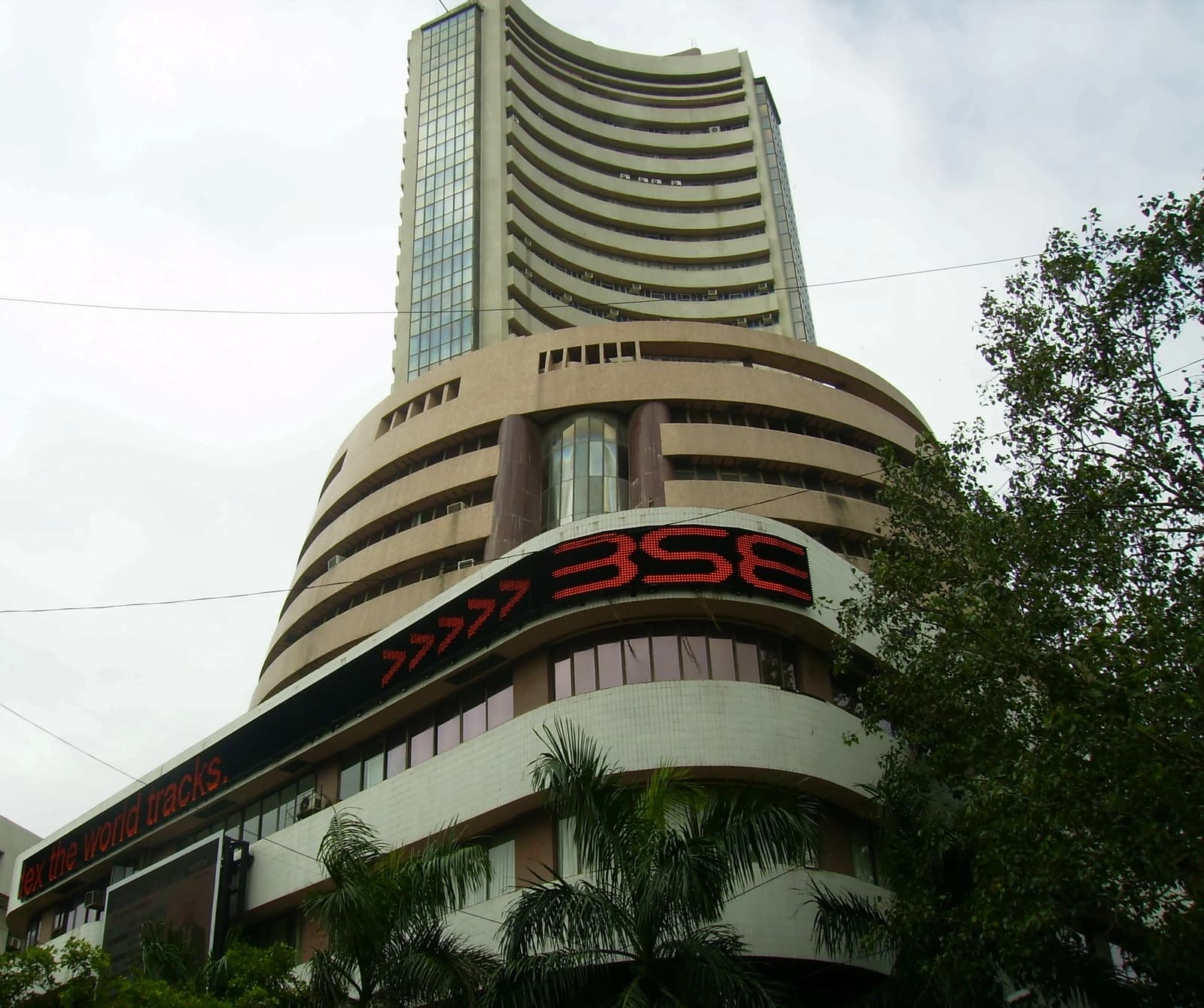
The split matters because it points to a domestic bid for risk assets even as fixed-income appetite remains weak. For the economy, rising equity allocation can deepen capital markets and support corporate fundraising. But persistent pressure on debt funds can reduce a key source of demand for corporate bonds and money-market instruments, potentially keeping borrowing costs firmer than they otherwise would be.

For portfolio managers, the message is more nuanced than a simple bullish signal on India. Equity inflows improve the resilience of Indian stocks by reducing dependence on foreign portfolio flows, a recurring vulnerability for the rupee and local risk assets. At the same time, debt-fund weakness suggests investors are still reluctant to add duration, leaving Indian rates exposed to inflation surprises, fiscal supply and Reserve Bank of India policy caution.
That cross-asset divide is visible in overseas India ETFs. The iShares MSCI India ETF closed at $49.30 on July 10, above its 50-day moving average of $48.69 but still below its 200-day average of $51.28. The WisdomTree India Earnings Fund and iShares India 50 ETF showed a similar pattern, edging back above their 50-day averages while remaining below their 200-day averages. Conventional RSI readings were neutral rather than stretched, suggesting the recovery in listed India exposure is improving but not yet a full momentum regime shift.
The domestic-flow backdrop is therefore doing more of the work than global risk appetite. If Indian households continue to channel savings into equity funds, local institutions can cushion market drawdowns, support valuations in banks, consumer shares and infrastructure-linked companies, and give companies a more reliable pool of capital. That is especially relevant in a market where earnings expectations remain tied to domestic demand rather than exports.
Debt funds tell the other side of the story. Continued decline there can weigh on demand for shorter-tenor corporate paper and bonds, making the rates market less able to absorb supply without a higher yield concession. That is a headwind for duration trades and rate-sensitive borrowers, even if it eventually creates more attractive entry points for investors waiting for higher yields.
The rupee sits between those forces. Equity inflows can help offset foreign selling and support confidence in Indian assets, but weak debt demand limits the fixed-income channel that often stabilizes currencies during periods of global risk aversion. For commodities, the implications are also mixed: stronger equity-led domestic demand supports cyclical activity, while a softer currency or higher funding costs would raise pressure on import-heavy sectors, especially energy users.
The next test is whether June’s equity preference survives any backup in yields or disappointment in earnings. If it does, India’s market regime increasingly becomes one of domestically funded equity resilience and stubbornly cautious fixed income — a setup that favors selective equity exposure over broad duration risk.
| Entity | Gains | Losses |
|---|---|---|
| Equity mutual funds | ▲Stronger domestic inflows | ▼Valuation cushion narrows |
| Debt funds | ▲Higher future yields | ▼Current investor withdrawals |
| Indian corporates | ▲Equity funding support | ▼Costlier bond financing |
| Rupee bulls | ▲Equity-flow cushion | ▼Weaker debt-flow support |