Prime Minister Narendra Modi said Indians cut back on gold purchases after he urged them to avoid buying the metal for a year, and the data shows the country’s appetite for bullion did indeed slump sharply, easing pressure on the trade balance and foreign exchange reserves.
India Gold Imports Fall After Modi Urges Cutbacks
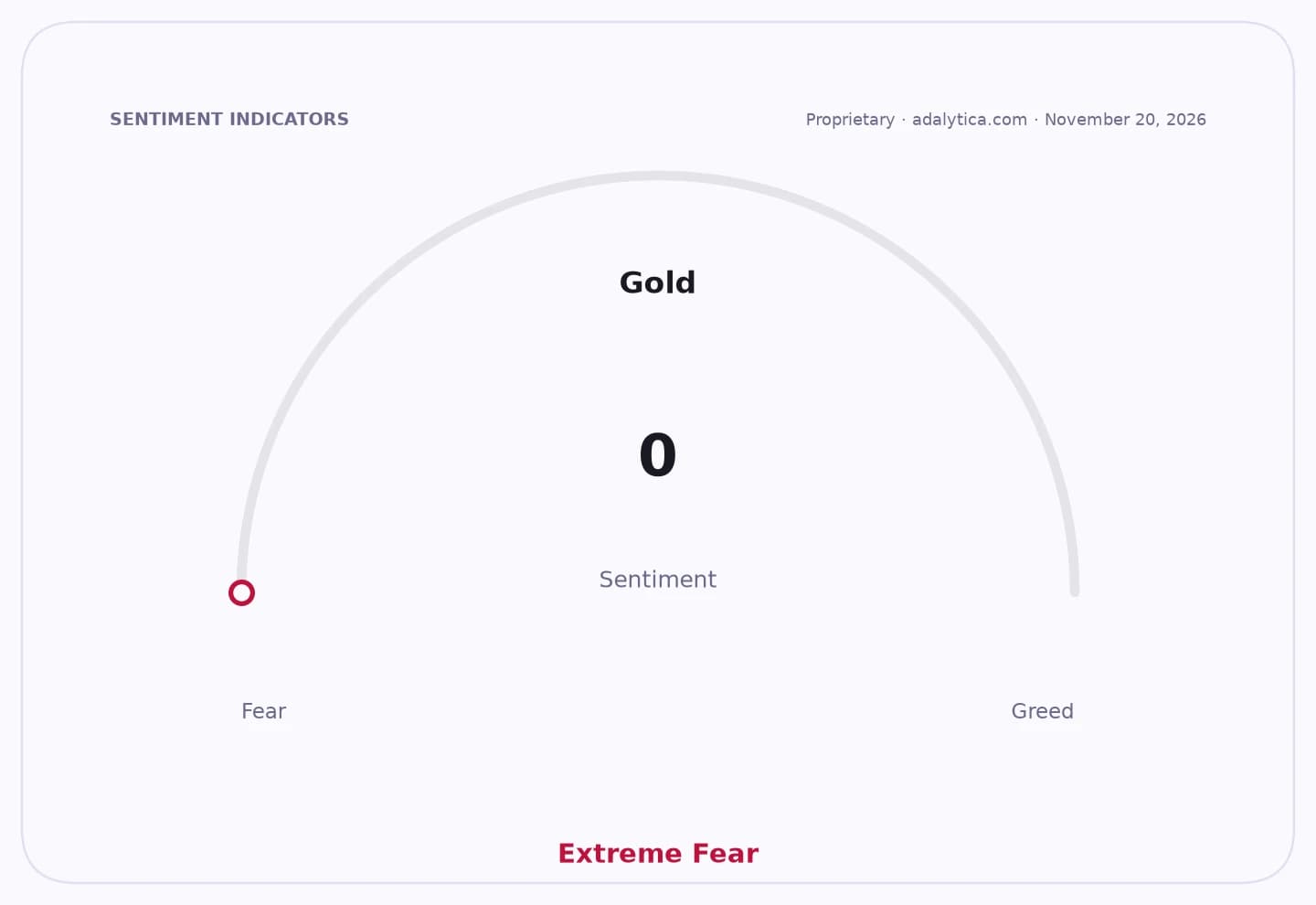
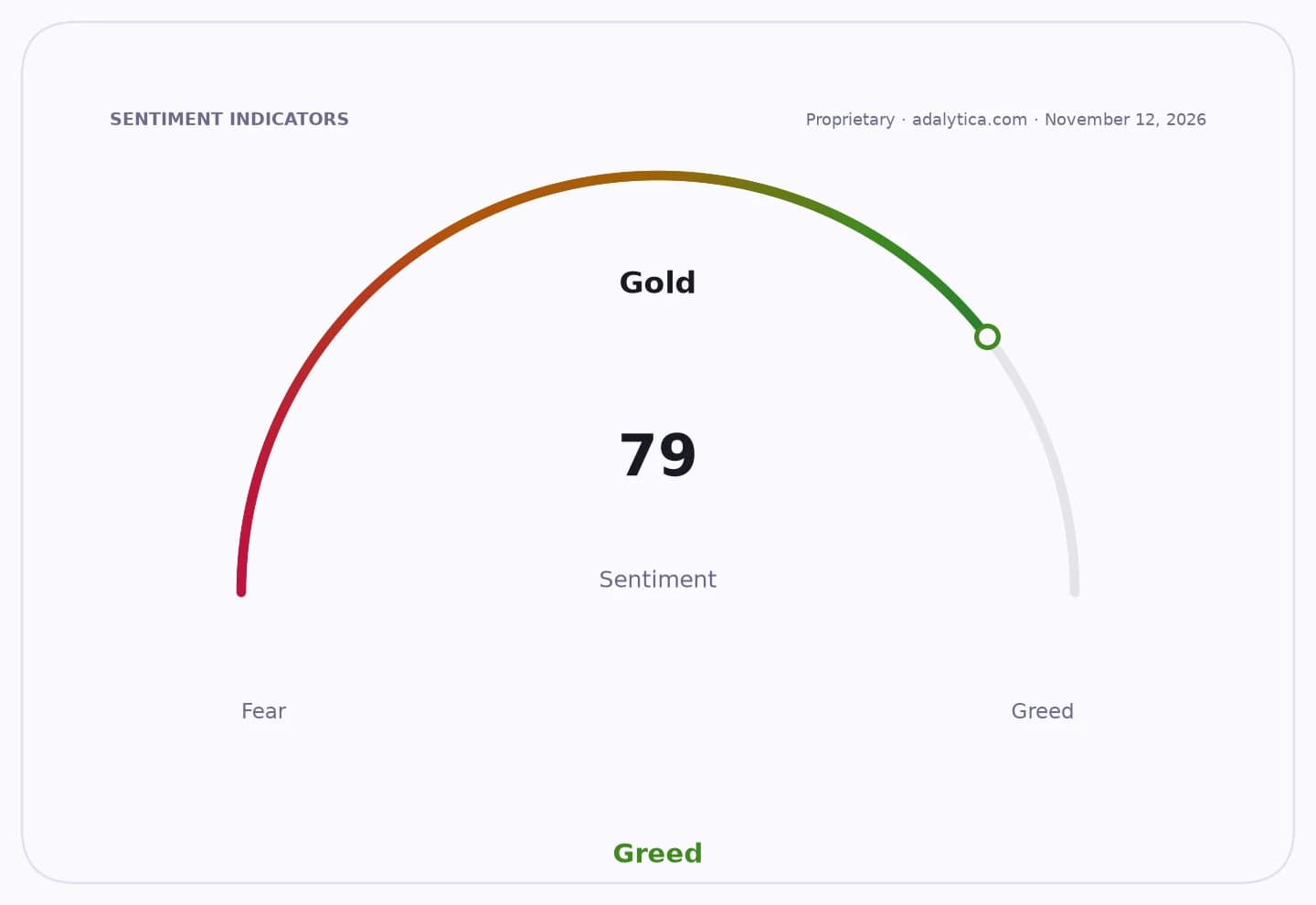
Gold
The economic significance is straightforward: gold is one of India’s largest import bills, so a sustained drop in buying can narrow the current-account deficit and reduce demand for dollars. In a country where jewellery demand is deeply tied to weddings, festivals and household savings, even a partial pullback can have a material effect on import financing and currency flows.
Sentiment Indicators
Modi made the comments at a skill graduation ceremony in Lucknow, casting the response as proof that ordinary Indians acted in the national interest. He linked the appeal to the stress created by higher oil prices and pressure on foreign-exchange reserves after tensions in West Asia earlier this year, when he first asked households to curb non-essential gold purchases.
The numbers support the scale of the slowdown. Government data showed gold imports fell almost 40% in the April-October period to $24.78 billion from $41.24 billion a year earlier. The World Gold Council said demand in the July-September quarter dropped 29% to 162 tonnes. Domestic prices also eased, with the gram price cited in the report falling to 12,523 rupees from 15,250 rupees in May.
For investors, the story is less about one politician’s boast than about the leverage of policy rhetoric in a market that is normally driven by global prices, inflation expectations and currency moves. Lower Indian demand can weigh on physical bullion prices at the margin, while also affecting refiners, jewellers and importers that rely on steady turnover. At the same time, it may support the rupee and help policymakers manage external vulnerabilities if the slowdown persists.
The bear case is that the decline reflects a temporary pause rather than a structural shift in household preferences, especially with gold still central to savings and ceremonial demand. The bull case for policymakers is that weaker imports create room for the external accounts to breathe just as energy costs and global rates remain volatile.
For global gold investors, India remains a critical marginal buyer. If the pullback extends beyond one season, it could reshape physical demand patterns into year-end and leave the market more dependent on investment flows and central-bank buying.
| Entity | Gains | Losses |
|---|---|---|
| Indian government | ▲Easier external financing | ▼Less political room if demand rebounds |
| Rupee and FX reserves | ▲Lower dollar outflows | ▼Potentially weaker if gold buying returns |
| Gold importers/jewellers | ▲Steadier prices if demand stays soft | ▼Lower sales volumes |
| Households | ▲Lower purchase costs | ▼Reduced access to gold as savings asset |