Tamil Nadu has formally rolled out guidelines for its new “Annan Seer” wedding assistance scheme, a cash-and-kind benefit that gives eligible brides 8 grams of gold and a silk saree, turning a political promise into a spending program with real implications for households, gold demand and state finances.
Tamil Nadu Annan Seer Scheme Rolls Out Wedding Aid
The policy matters because it targets one of the most culturally powerful purchase categories in southern India: wedding gold. By linking eligibility to a family income ceiling of Rs 2.5 lakh a year, ration-card records and mandatory marriage registration within 15 days, the government is trying to route support toward lower-income households while tightening documentation and reducing leakage. For investors watching India’s consumer economy, this is not just welfare — it is a recurring source of demand for physical gold, jewelry retailers and the broader wedding ecosystem.
Sentiment Indicators
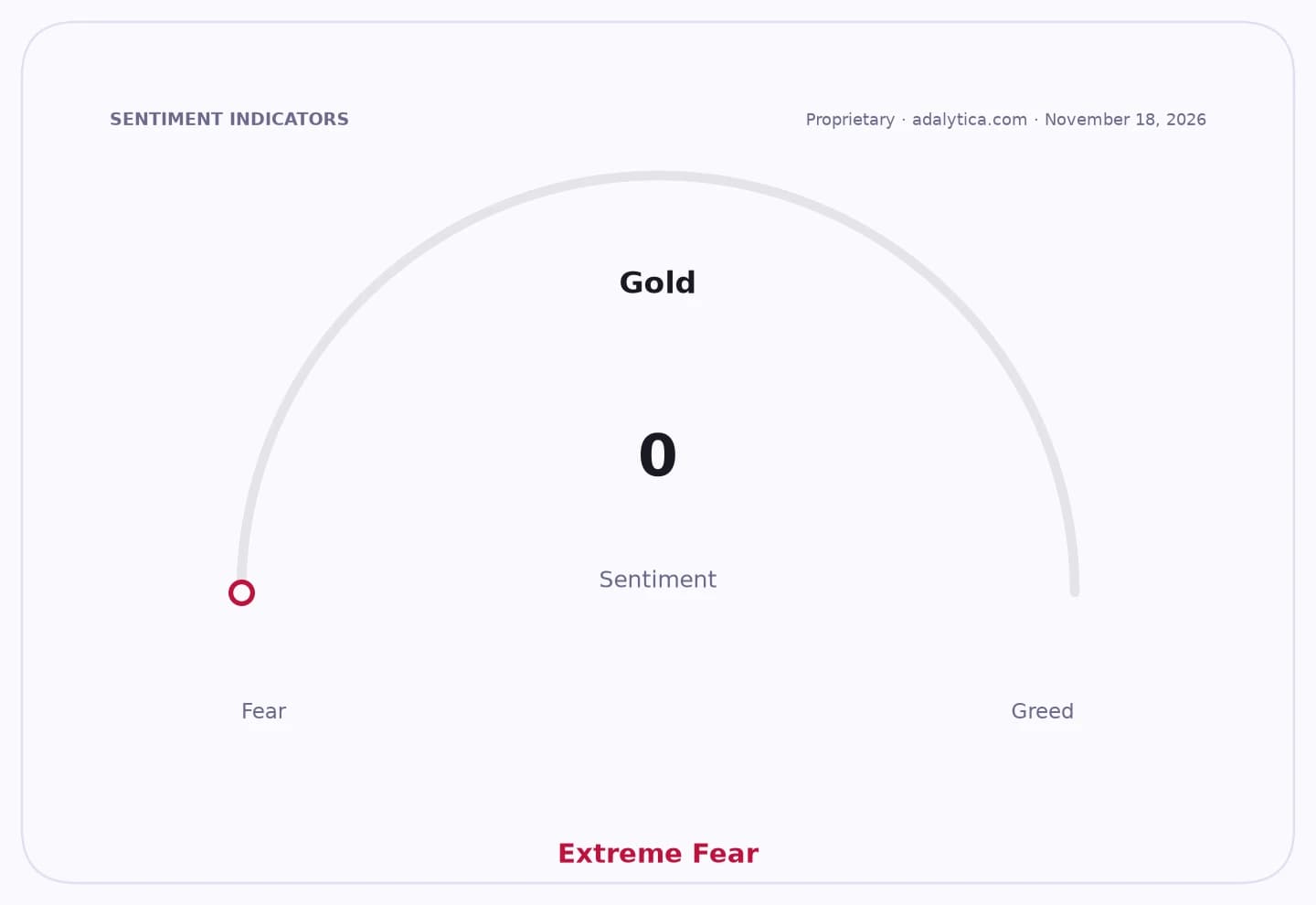
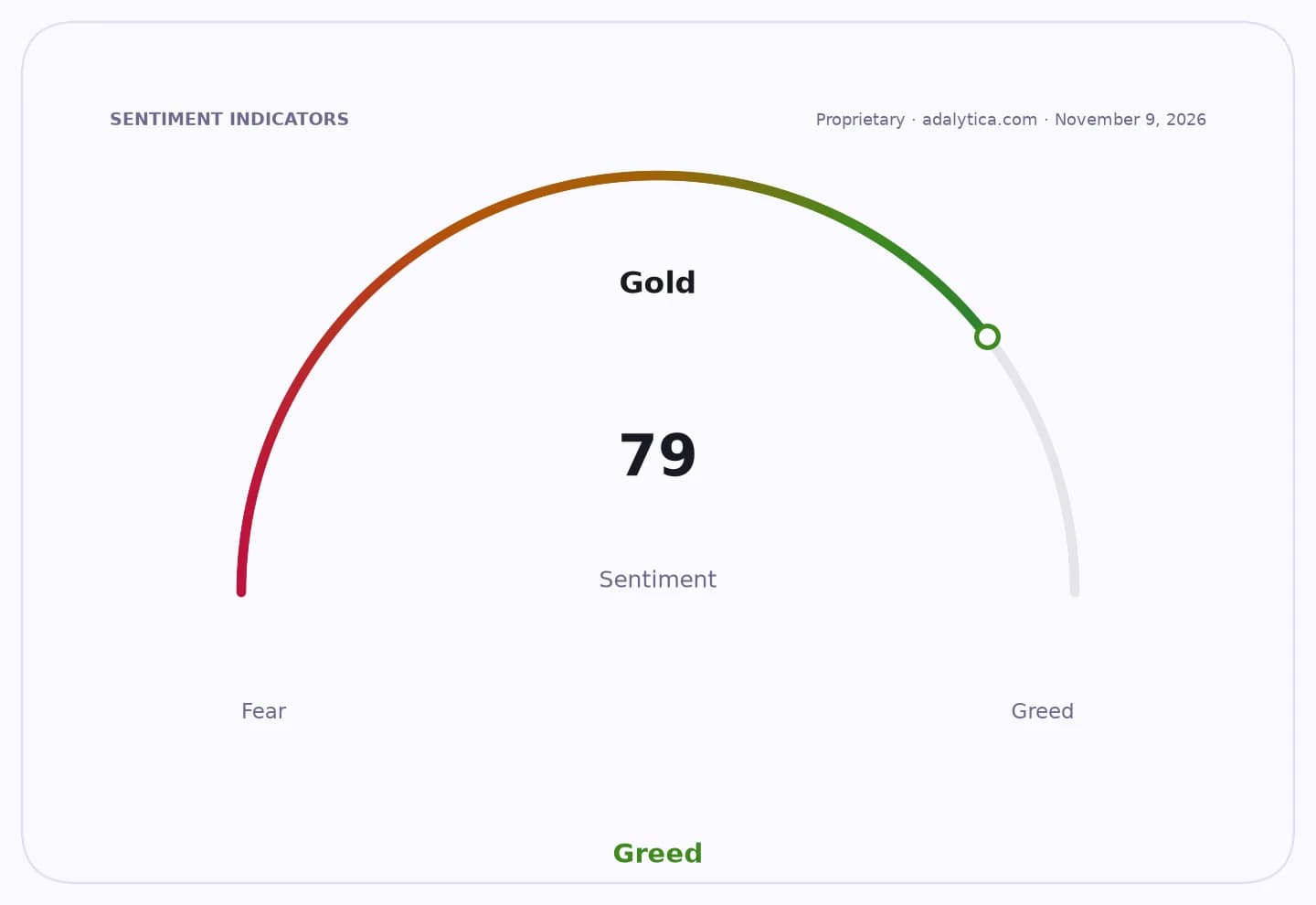
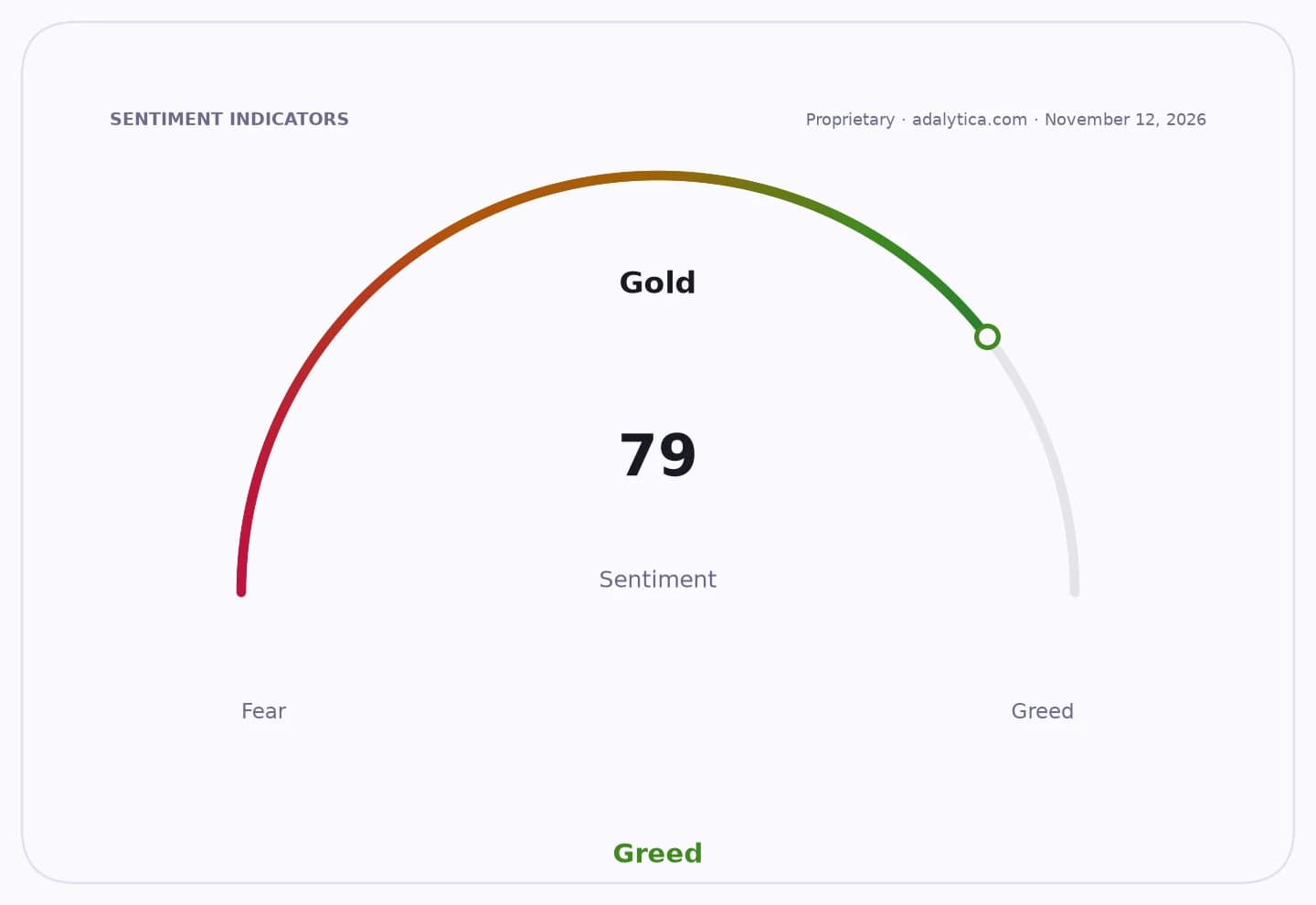
The timing is notable. Gold has been highly volatile, and the broader market backdrop has turned cautious, with Adalytica’s Gold Fear & Greed Index sliding to “Extreme Fear” even as the metal itself remains strategically important. That matters because state-backed purchases can provide a steadier floor for local jewelers when private demand softens, especially in a market where prices have swung sharply in recent weeks. In other words, when sentiment weakens, policy-linked buying can become more valuable.
The scheme also has second-order economic effects. Each approved applicant receives a unique tracking number and status updates by SMS, WhatsApp and email, signaling a more digitized welfare delivery model. That should improve transparency, but it also creates a paper trail that could make the program easier to audit and scale. For the state, that means better control over administration — and a clearer fiscal commitment if the program grows into a meaningful line item.
For investors, the key question is who captures the benefit. Gold retailers, organized jewelry chains and related logistics firms stand to gain if the scheme boosts formal purchases rather than informal ones. Gold miners and bullion-linked products are less directly exposed, but the program reinforces a structural thesis: in India, gold is not just a commodity, it is policy-sensitive consumer demand. Whenever a government hands out metal for weddings, it deepens the link between social spending and precious-metals turnover.
The risk is fiscal discipline. If the scheme becomes popular and applications scale quickly, the state will bear the cost of both gold and silk at a time when domestic households remain under pressure from inflation and uneven income growth. But that is exactly why the program matters: it is a politically durable promise with economic ripple effects that extend well beyond one ceremony.
The actionable takeaway is straightforward: watch Tamil Nadu as a demand engine for formal jewelry retailers and wedding-linked consumption. In a volatile gold market, policy-created demand can be the hidden catalyst that keeps the trade alive.
| Entity | Gains | Losses |
|---|---|---|
| Tamil Nadu brides | ▲Wedding support | ▼Less cash flexibility |
| Organized jewelers | ▲Formal gold demand | ▼Informal sellers |
| State government | ▲Political goodwill | ▼Fiscal outlay |
| Gold market | ▲Baseline local demand | ▼Price-sensitive buyers |