Sonam Wangchuk’s claim that India is “not a rogue state” is more than a political sound bite: it underscores a widening test of how New Delhi handles dissent in Ladakh, where the government has now withdrawn police arrangements outside his residence after a court challenge.
India Ladakh protest and police curbs on Sonam Wangchuk
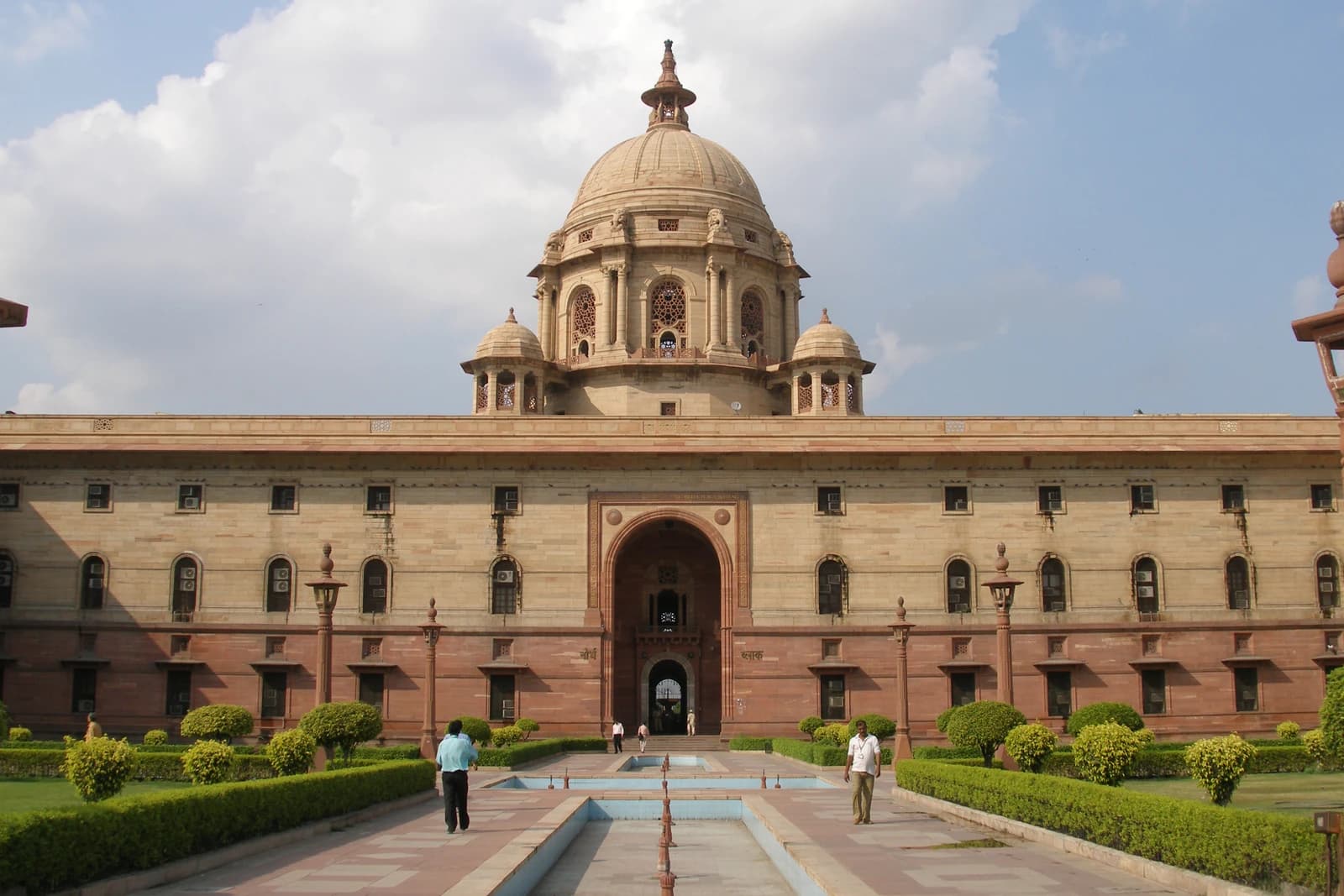
That matters because Ladakh sits at the intersection of national security, local autonomy and electoral politics. Wangchuk is not just a climate activist; he has become one of the most visible voices demanding talks with the Centre and a postponement of Hill Council polls until winter conditions do not shut out a large share of voters. His protest gives the region a sharper edge at a time when India is trying to project democratic credibility at home and strategic confidence abroad.
Sentiment Indicators
Police said the arrangements outside Wangchuk’s home were only to ensure compliance with a prohibitory order, and denied that he had been placed under house arrest. Wangchuk disputes that account, saying he was effectively confined after being picked up on Nov. 11 as preparations were under way for an indefinite protest. He says officers were withdrawn only after his lawyers moved the court and the matter came under judicial scrutiny.
For investors, this kind of local standoff matters less as a market event than as a policy signal. India’s appeal to global capital rests on institutional predictability, rule of law and the sense that disputes are managed within constitutional bounds. When a high-profile activist accuses authorities of overreach, and the government responds with procedural denials, it can amplify concerns around governance risk — especially in sensitive border regions where infrastructure, tourism and public-sector spending are all linked to political stability.
The immediate market impact is likely limited, but the broader narrative is important. India’s growth story depends on keeping political friction contained enough to sustain investment, state capacity and administrative continuity. Ladakh’s winter elections dispute, the protests over dialogue with the Centre and Wangchuk’s appeal to the president and prime minister all feed into that larger question: can New Delhi balance control with legitimacy?
That is the issue investors should watch. India remains one of the world’s most compelling long-term growth markets, but the premium on that story depends on institutions behaving in ways that reassure both citizens and capital. For now, the curbs being lifted is a small procedural reset. The bigger test is whether the government uses the opening for dialogue — or lets a local dispute harden into a broader governance headache.
| Entity | Gains | Losses |
|---|---|---|
| Sonam Wangchuk / protesters | ▲Greater visibility | ▼Movement restrictions |
| Indian government / Ladakh administration | ▲Short-term control | ▼Credibility on due process |
| Local voters in Ladakh | ▲Chance for dialogue | ▼Risk of winter election exclusion |
| Investors in India | ▲Hope for institutional reset | ▼Governance-risk premium |