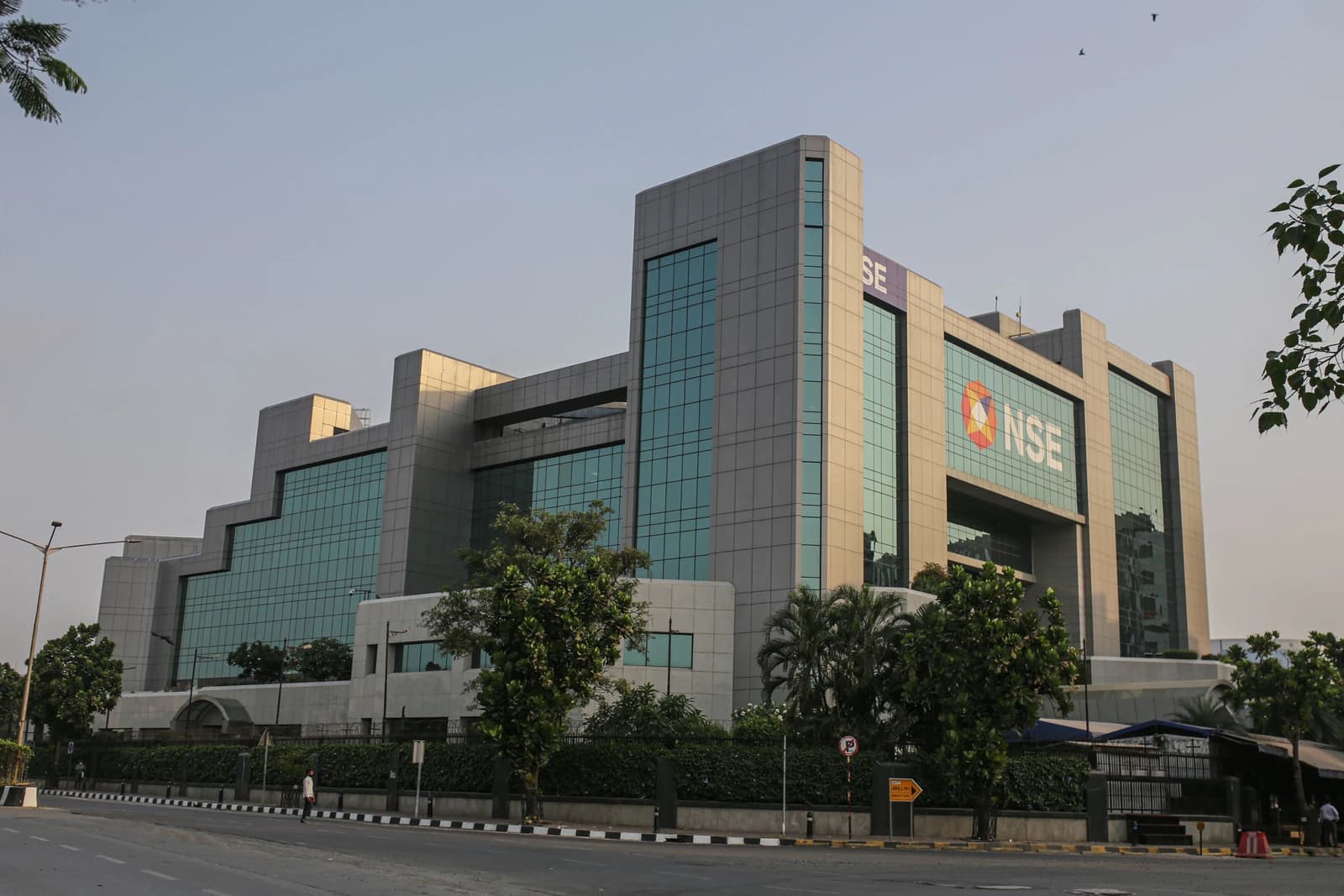
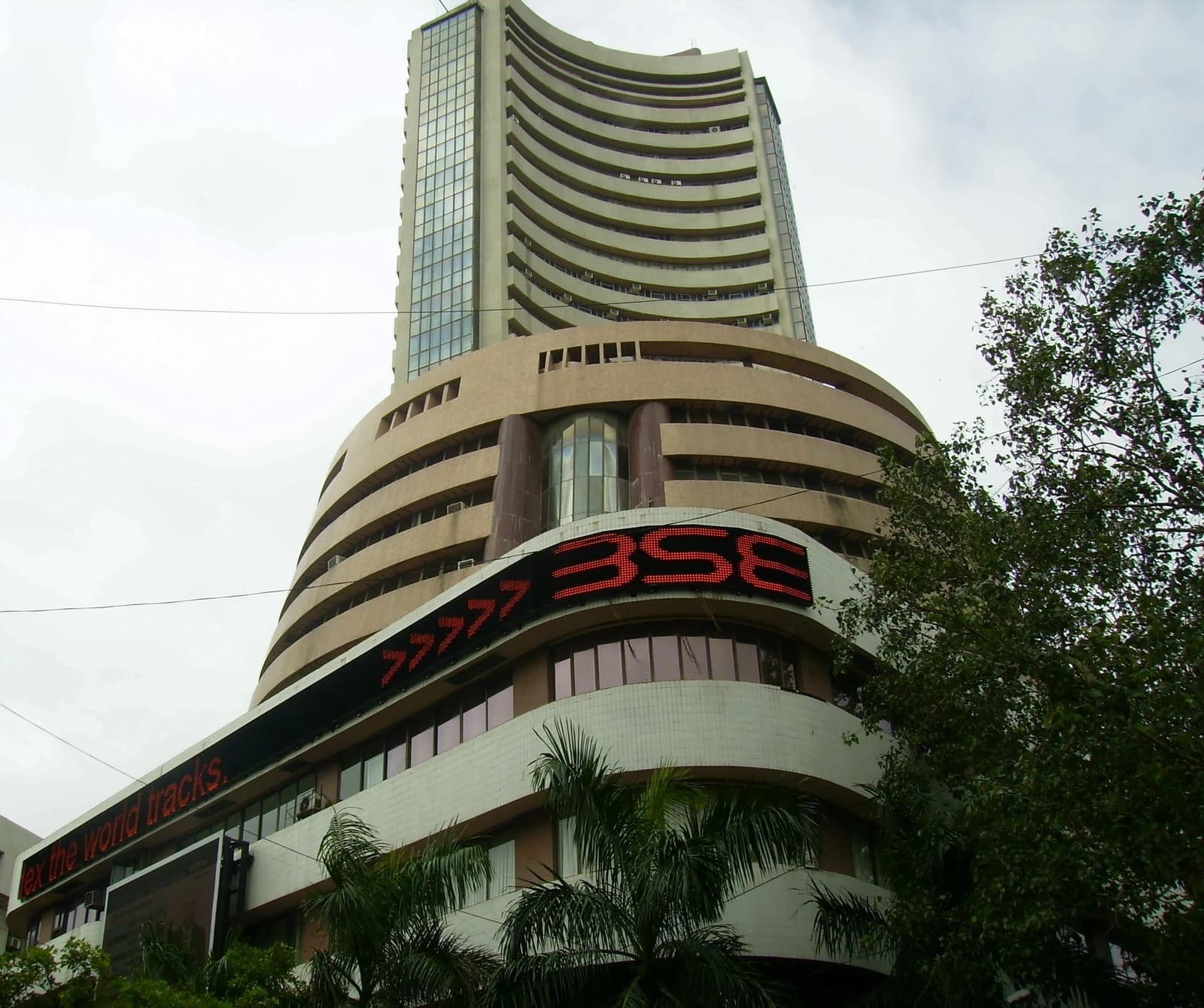
India’s stock exchanges are shut on Sept. 14 for Ganesh Chaturthi, briefly halting trading on the BSE and NSE and leaving investors to wait until the next session for fresh price discovery.
India Stock Exchanges Close for Ganesh Chaturthi

The holiday closure matters because it interrupts liquidity on one of Asia’s most active equity markets and can delay reaction to global cues, including moves in U.S. stocks, crude prices and the rupee. For domestic traders, the pause can also concentrate order flow when markets reopen, especially if overseas markets move sharply while Indian exchanges are closed.
The closure affects benchmark-heavy funds and foreign investors with exposure to India through products such as the iShares MSCI India ETF, which has recently been trading below both its 50-day and 200-day moving averages. The ETF’s latest close of 48.57 put it under its 50-day average of 49.38 and its 200-day average of 50.32, suggesting sentiment toward India equities has been softer even before the holiday break.
Other India-focused funds have also been under pressure. The India ETF EPI closed at 42.29, below its 200-day moving average of 43.55, while India financials fund IFN ended at 11.15, also under its 200-day average of 11.62. Those levels matter for investors watching whether Indian equities can regain momentum once trading resumes.
With exchanges closed, attention shifts to what global markets do in the meantime and how Indian stocks digest any overnight moves when BSE and NSE reopen. The next catalyst is the return of trading after the holiday, when investors can reprice India assets against the latest international and domestic signals.
| Entity | Gains | Losses |
|---|---|---|
| BSE/NSE employees | ▲Holiday break | ▼No trading fee flow |
| Domestic investors | ▲Pause to reassess positions | ▼Delayed price discovery |
| Foreign portfolio investors | ▲Time to react to global cues | ▼Exposure stays unpriced |
| India ETF holders | ▲Lower immediate volatility | ▼Repricing risk on reopen |