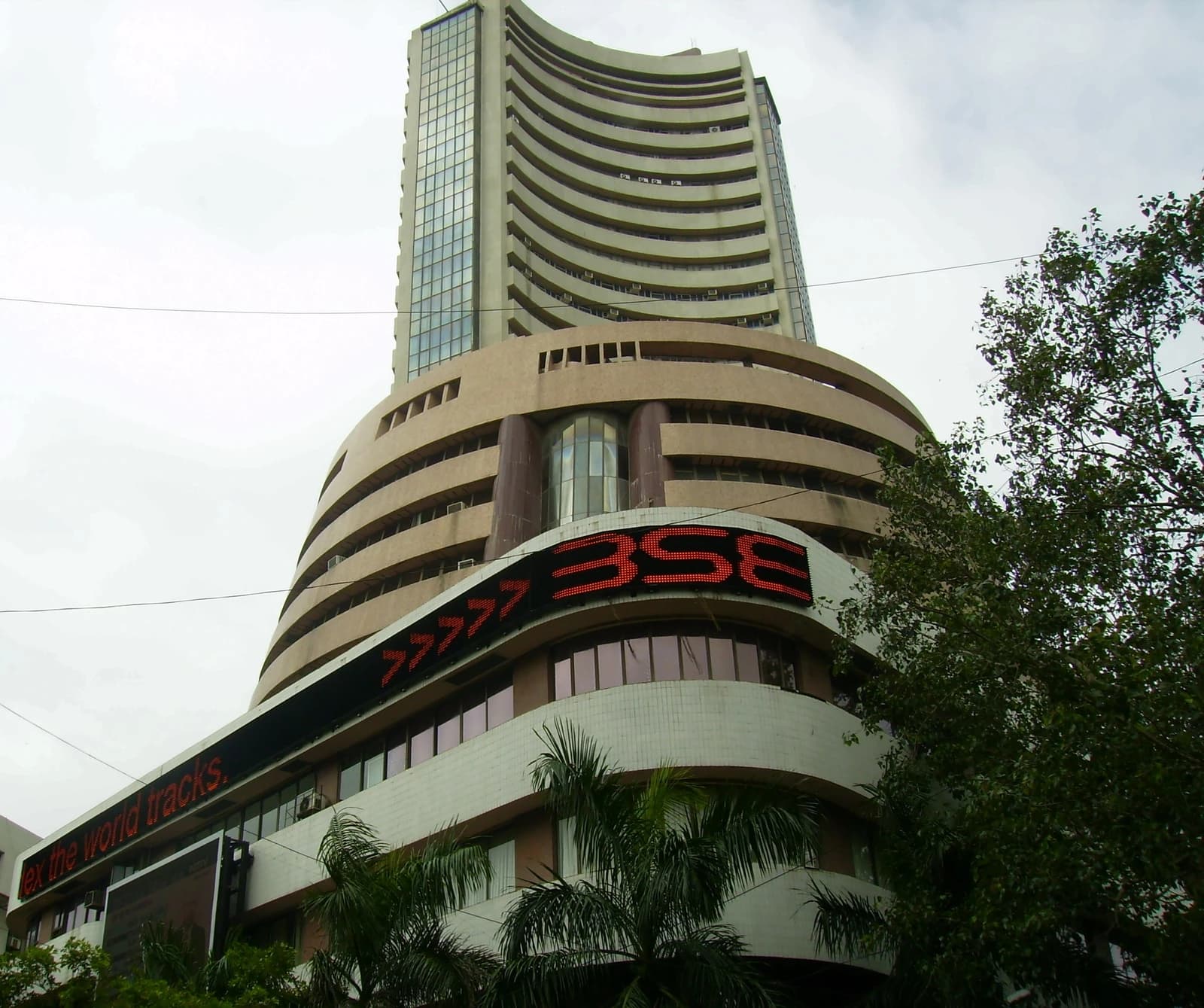
Indian stocks slid for a fourth straight session, with the Sensex dropping more than 400 points as a jump in oil prices fed renewed worries that inflation could stay sticky and corporate margins could come under pressure.
India stocks fall as oil prices rise
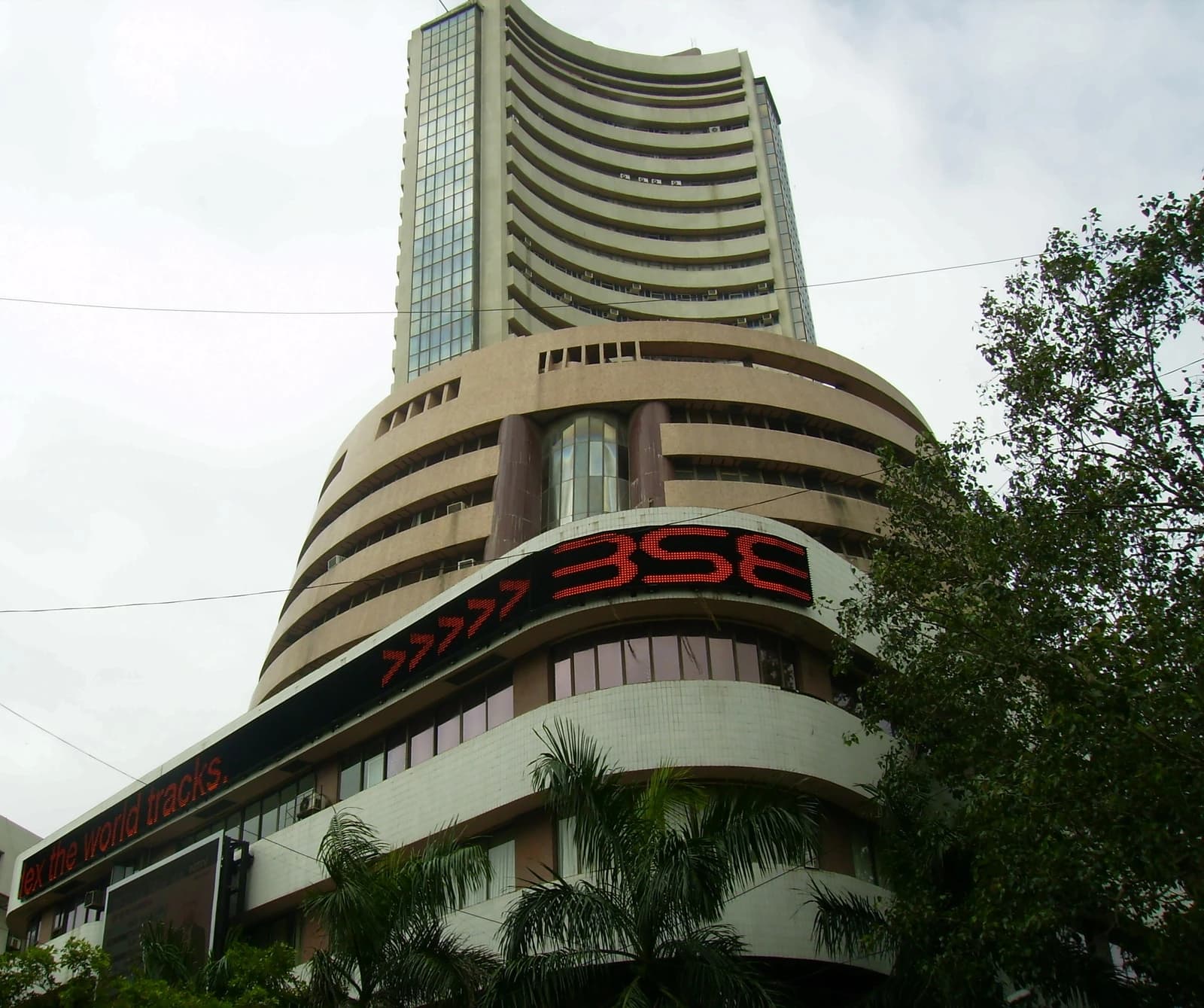
The S&P BSE Sensex fell 417.49 points, or 0.55%, to 76,152.86, while the Nifty also moved lower. For investors, the significance goes beyond a single down day: India is a major oil importer, so a sustained rise in crude tends to work its way through transport costs, consumer prices, and eventually earnings expectations. When energy gets more expensive, it can also make central bankers less willing to ease policy quickly, which is rarely a friendly setup for equities.
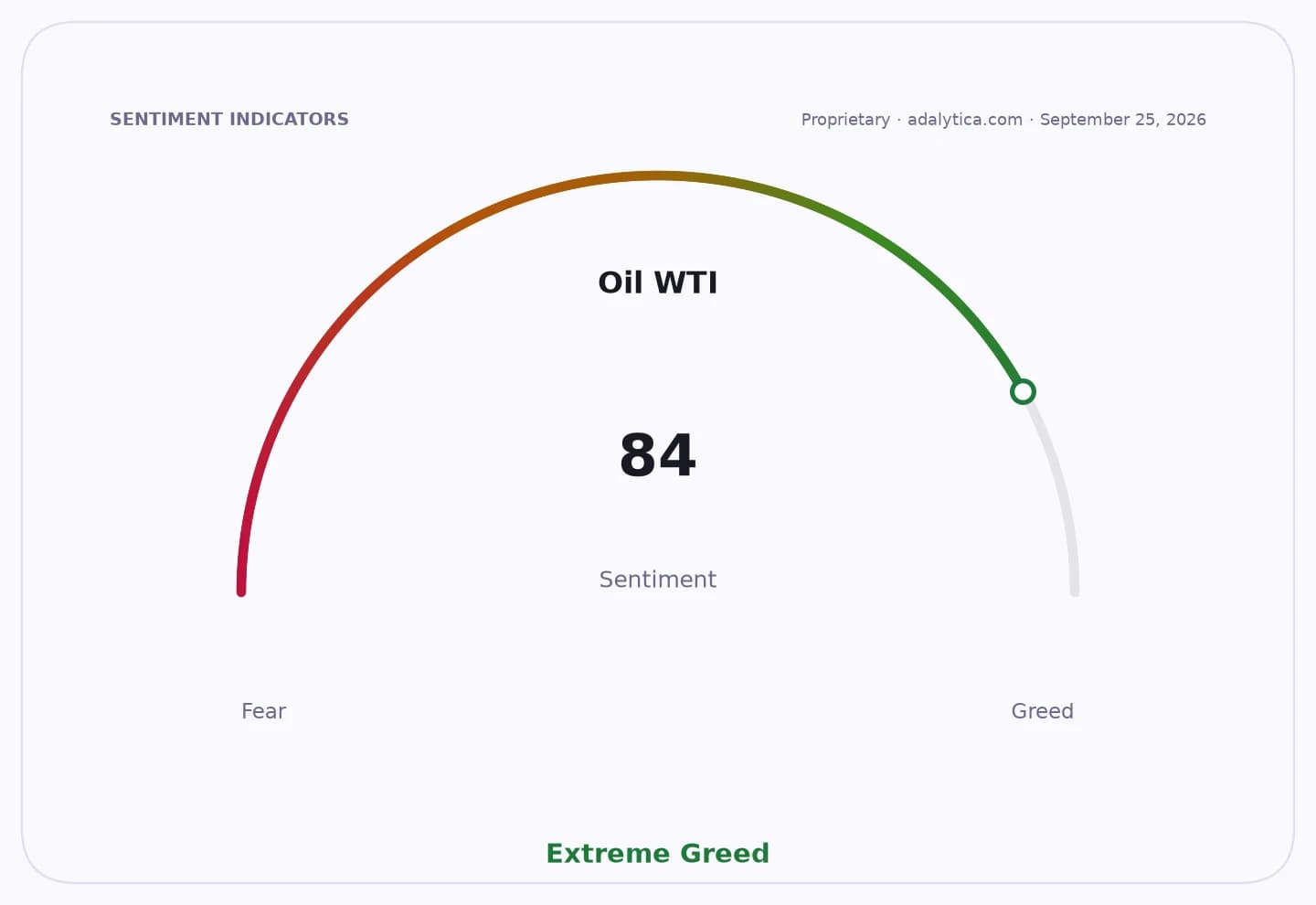
Sentiment IndicatorsⓘProprietary · adalytica.com · September 4, 2026
This is a snapshot — live sentiment, awareness and momentum for 130+ markets update continuously in the dashboard.Open AlphaPulse

The selloff came as oil pushed higher, with global prices recently above $91 a barrel, stoking the same inflation fears that have been unsettling bond markets worldwide. That matters because higher inflation expectations usually keep yields elevated, and higher yields can compress stock valuations. In India, that pressure showed up most clearly in information technology shares, which led the market lower.
From a long-term investor’s perspective, this is the kind of macro-driven pullback that can punish sentiment without necessarily changing the country’s structural story. India still has one of the world’s strongest growth runways, but short-term market performance will remain sensitive to imported inflation, currency moves and the cost of capital. If oil stays high, the pressure can spread from the Sensex to the broader economy, especially for sectors tied to consumer spending and discretionary demand.
The technical picture also looks weak in the near term. The Sensex is trading below its 50-day and 200-day moving averages, and its relative strength index is still in subdued territory, suggesting selling pressure has not fully run its course. That does not make the market unattractive for patient investors; it simply means volatility could persist while traders digest inflation risks.
For long-term investors, the better question is not whether the next few sessions are choppy, but whether India’s earnings engine remains intact over the next three to five years. On that front, the answer is still yes for investors willing to stay diversified and patient. Pullbacks tied to oil shocks and inflation fears are worth watching, but they can also create better entry points into high-quality Indian equities.
| Entity | Gains | Losses |
|---|---|---|
| Oil producers | ▲Higher revenue | ▼None from this move |
| Indian importers | ▲None | ▼Higher energy costs |
| Sensex bulls | ▲Potential future bargain levels | ▼Near-term portfolio losses |
| IT stocks | ▲None | ▼Lead the market decline |