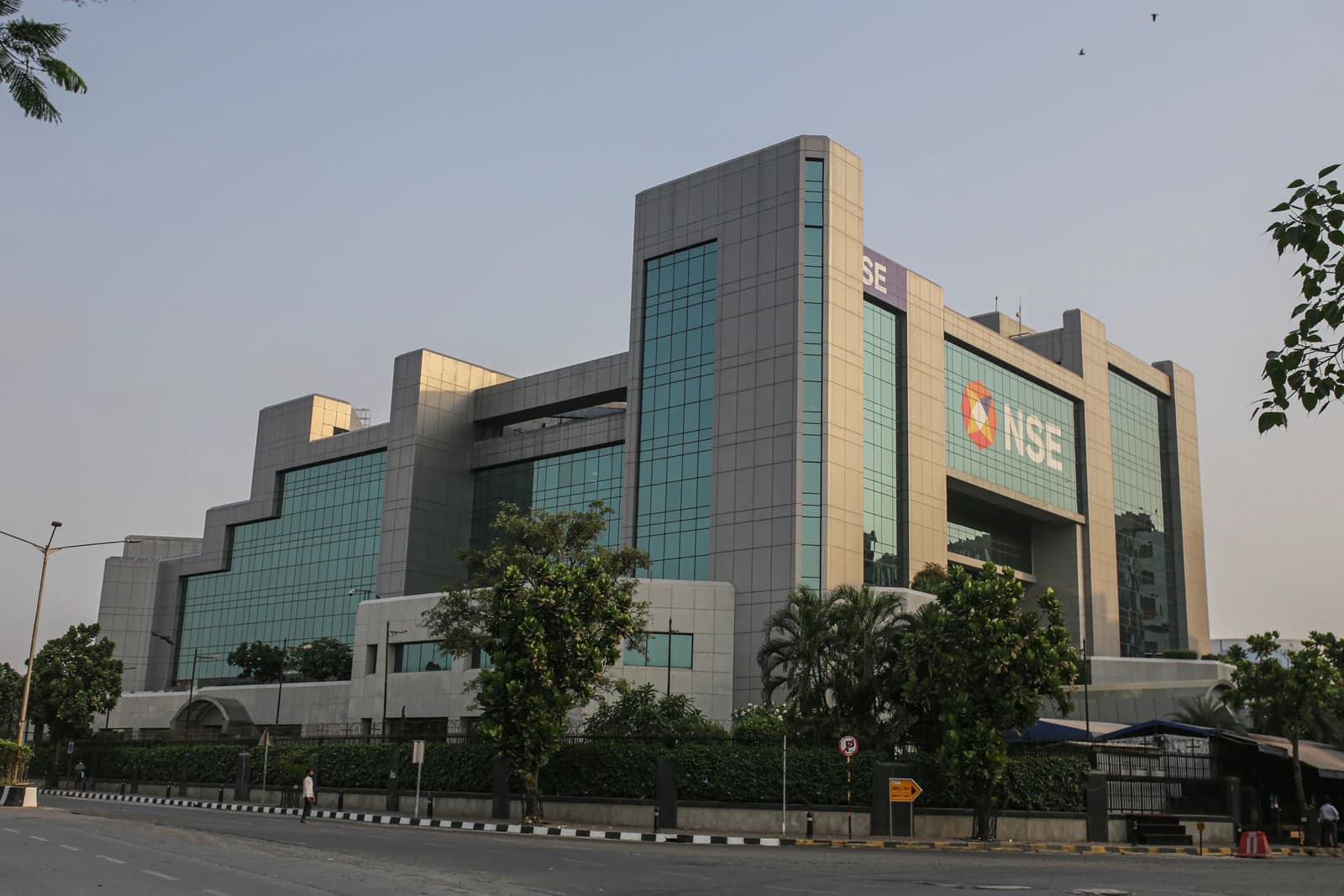
India’s lower house has passed an anti-paper leak amendment bill with tougher penalties, marking a more aggressive federal push to restore credibility to a testing system repeatedly undermined by fraud.
India Tightens Penalties on Exam Paper Leaks
The move matters economically because exam integrity is not just an education issue in India: it underpins labor market allocation, public-sector hiring, professional licensing and social mobility in a country where millions compete for a limited number of seats and government jobs. Persistent leaks distort that pipeline, impose direct costs on students and families, and erode confidence in recruitment systems that feed the public sector and broader services economy.
Sentiment IndicatorsⓘProprietary · adalytica.com · July 29, 2026
This is a snapshot — live sentiment, awareness and momentum for 130+ markets update continuously in the dashboard.Open AlphaPulse
The government is betting that harsher punishment will deter organised cheating networks and reduce the frequency of leaks that have triggered repeated disruptions. Supporters argue exemplary penalties are necessary because existing laws have not been enough to stop insiders from circulating papers through channels such as messaging apps. Critics, including opposition lawmakers and educationists, say punishment alone will not solve a problem rooted in weak supervision, paper handling, and fragmented exam administration.
For investors, the immediate market impact is limited, but the policy still has second-order relevance. A cleaner exam system supports human-capital formation, which is central to India’s long-term growth story and to sectors that depend on a reliable supply of skilled workers, from information technology services to financial services and industrial manufacturing. Any reform that improves trust in credentials and hiring can marginally improve the efficiency of the labour market, even if the benefits are gradual and difficult to price.
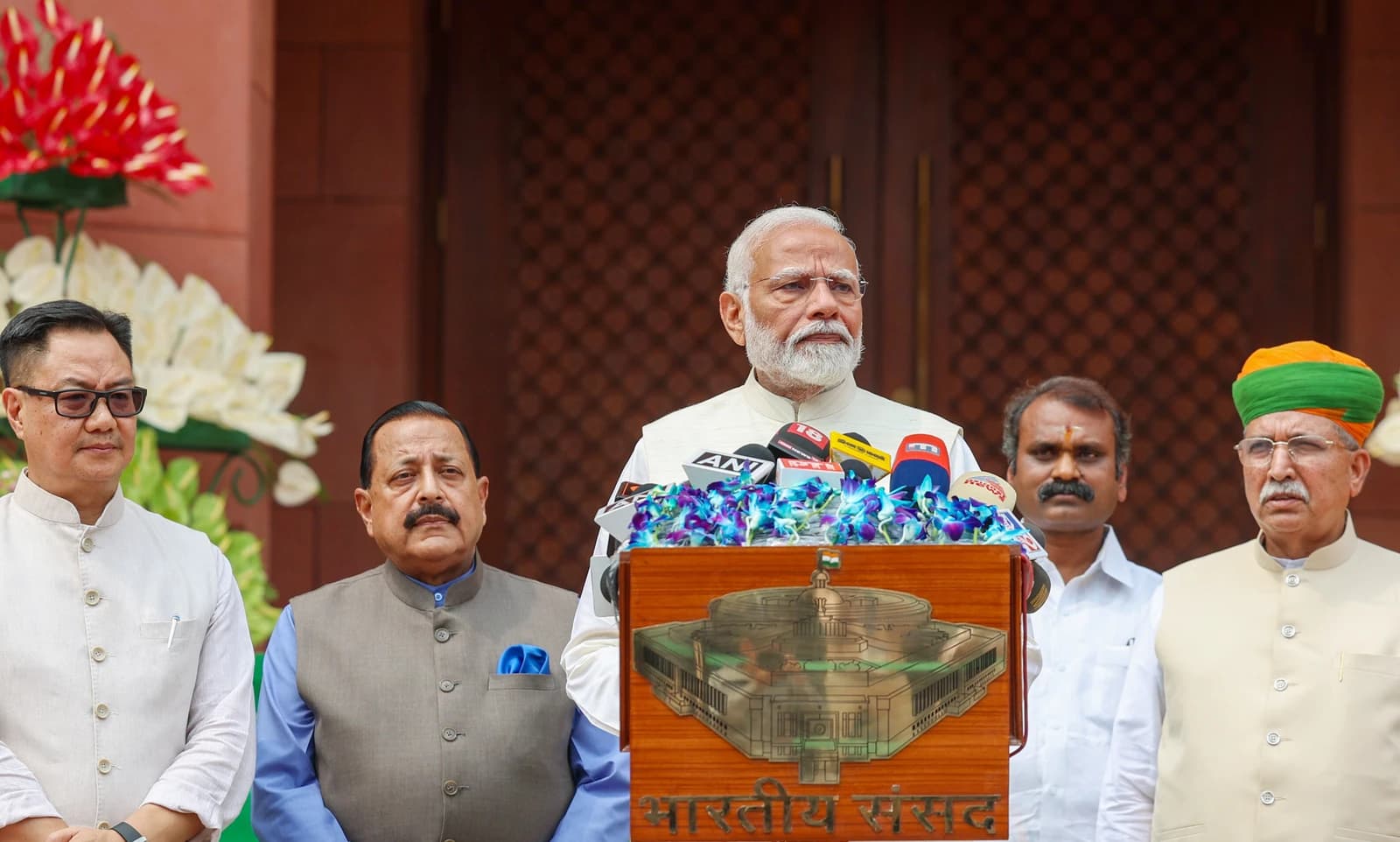
The debate also reflects a broader shift in policy style under Prime Minister Narendra Modi’s government: move fast on visible enforcement, then build around it with institutional reforms later. That approach can be politically effective, but the bear case is that it leaves the underlying machinery vulnerable, meaning leaks could persist despite tougher statutes. The bullish case is that a credible threat of punishment, combined with better safeguards, may finally raise the cost of cheating enough to change behaviour.
What investors should watch is whether the amendment is paired with operational fixes — tighter chain-of-custody controls, digital paper security, faster prosecution and stronger exam-body oversight. Without that, the bill may improve headlines more than outcomes. With it, India could begin to reduce one of the more persistent frictions in its education-to-employment pipeline.
| Entity | Gains | Losses |
|---|---|---|
| Government | ▲Political credit for action | ▼Accountability if leaks continue |
| Students and families | ▲Fairer competition over time | ▼Less benefit from leak networks |
| Exam authorities | ▲Stronger enforcement backing | ▼Greater scrutiny of failures |
| Leak networks | ▲None | ▼Higher penalties and disruption |