India’s unemployment problem is no longer just a social issue — it is becoming a structural economic risk as years of solid GDP growth have failed to generate enough work, especially for young and educated workers.
India unemployment rises despite strong GDP growth
That gap matters because it challenges one of the core assumptions behind India’s growth story: that fast expansion would automatically absorb a rising labor force. The data in the India Employment Report 2024 suggest otherwise. From 2000 to 2012, output grew 6.2% a year while employment rose only 1.6%; from 2012 to 2019, growth accelerated to 6.7% annually, but job creation barely moved, at 0.01% a year. In other words, India has been producing growth without enough employment — a pattern that can support corporate profits and output figures in the short run, but leaves consumption, social stability and labor-market quality under strain.
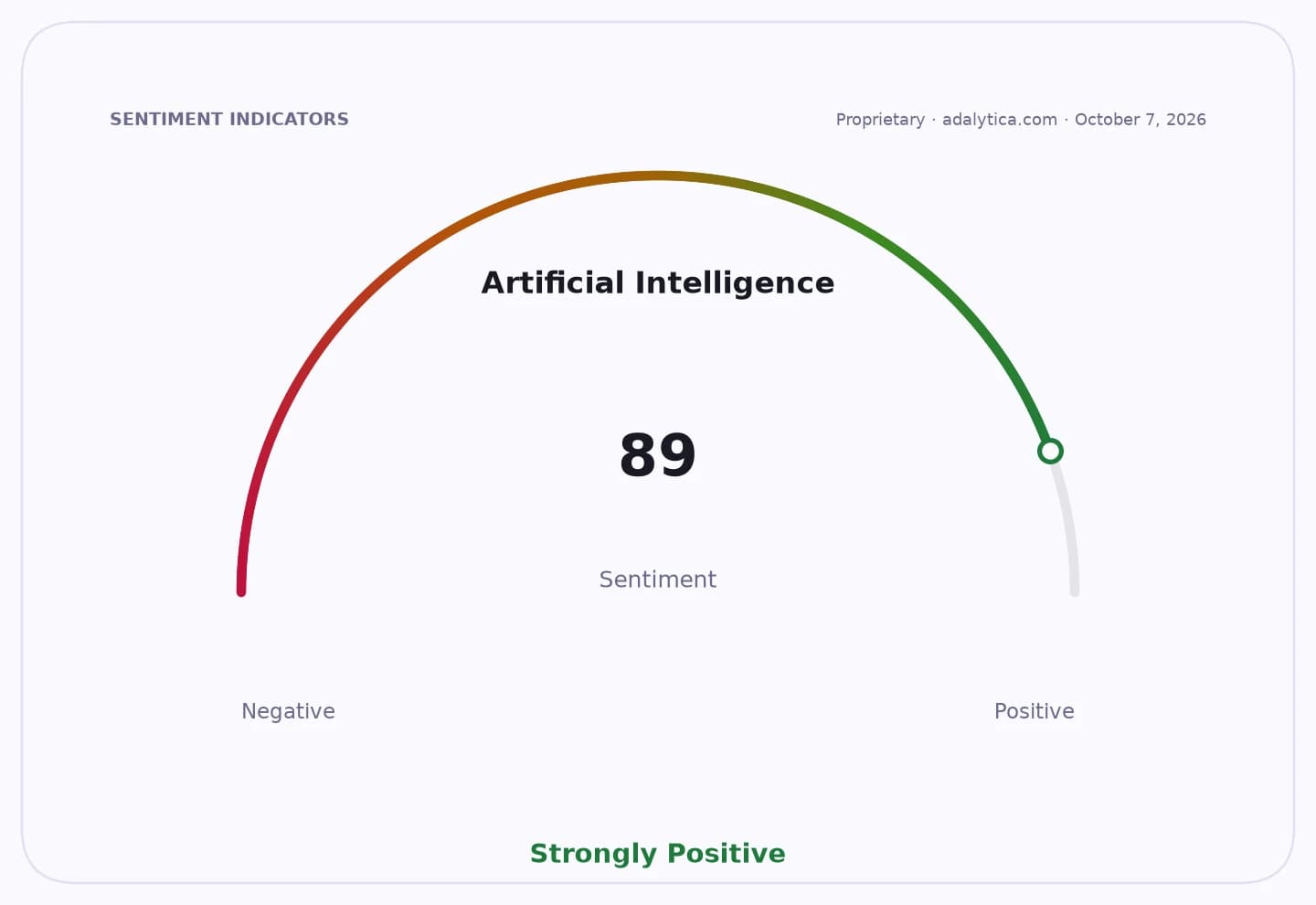
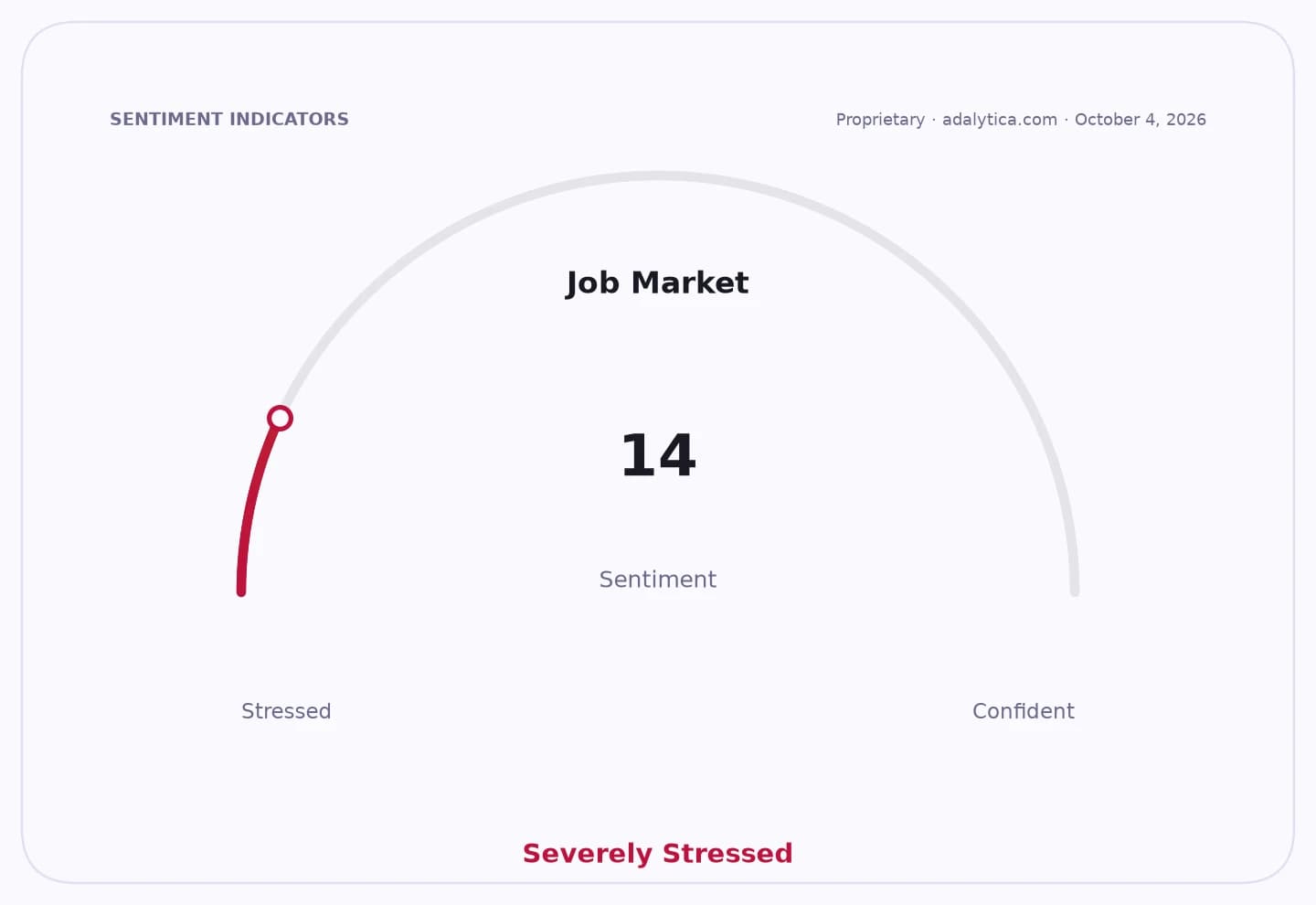
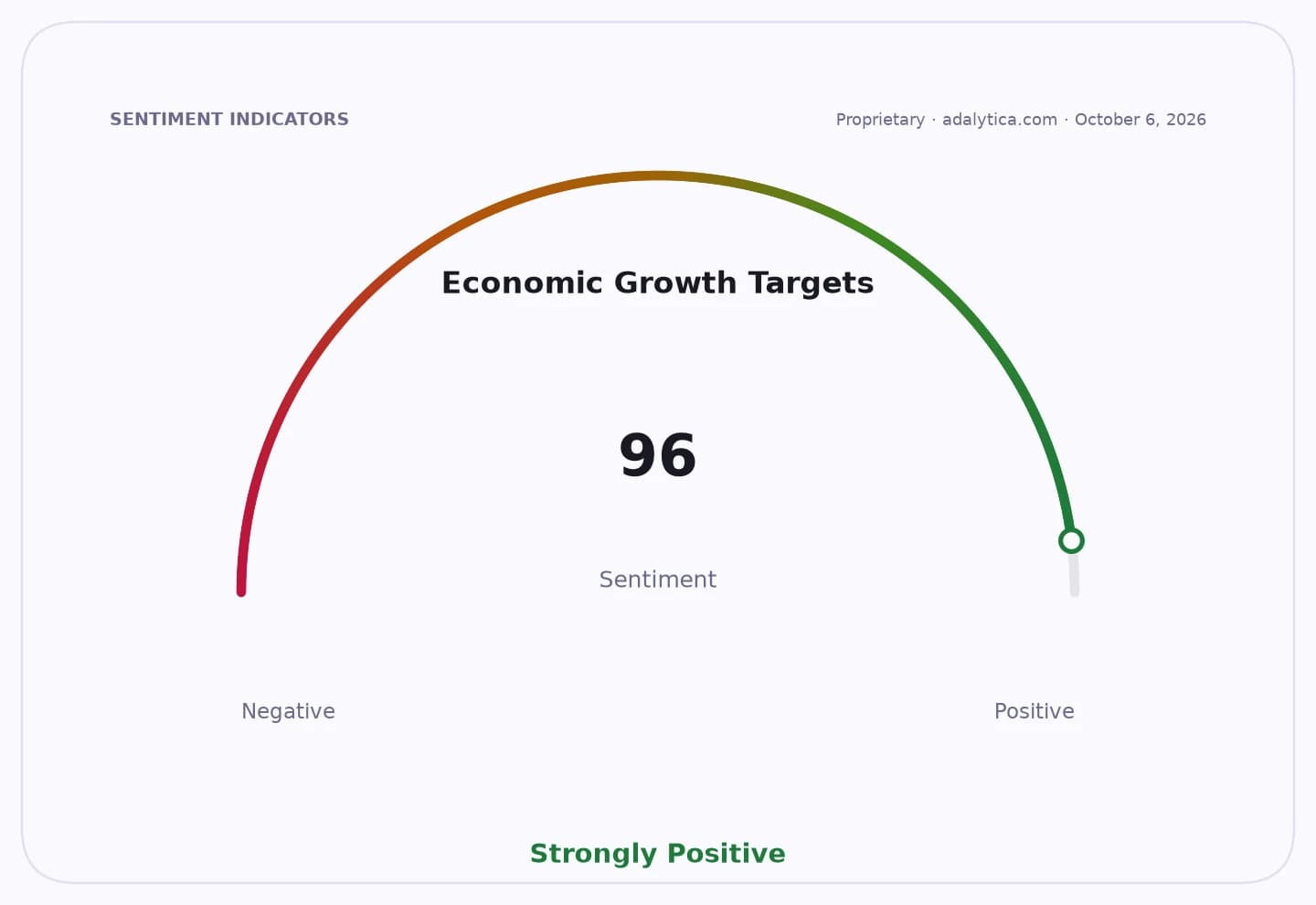
Sentiment IndicatorsⓘProprietary · adalytica.com · October 3, 2026
This is a snapshot — live sentiment, awareness and momentum for 130+ markets update continuously in the dashboard.Open AlphaPulse

The unemployment rate itself has worsened over the past two decades. Open unemployment was 2% to 3% in 2000-2012, climbed to 5.8% in 2012-2019, and remains above 5% now after touching 4.1% in 2022. For investors, that is a warning sign that headline growth is not translating into broad-based purchasing power, which can limit domestic demand over time even as formal-sector activity expands.
The pressure is most acute among the young. Youth unemployment in India rose from 5.7% in 2000 to 17.5% in 2019 before easing to 12.4% in 2022, but that still leaves India well above the global unemployment challenge for younger workers. Urban youth unemployment at 17.2% is far above the 10.6% rate in rural areas, and young people accounted for 82.9% of all unemployed in 2022. That concentration matters economically because it points to a waste of human capital at precisely the stage when India is supposed to be benefiting from a demographic dividend.
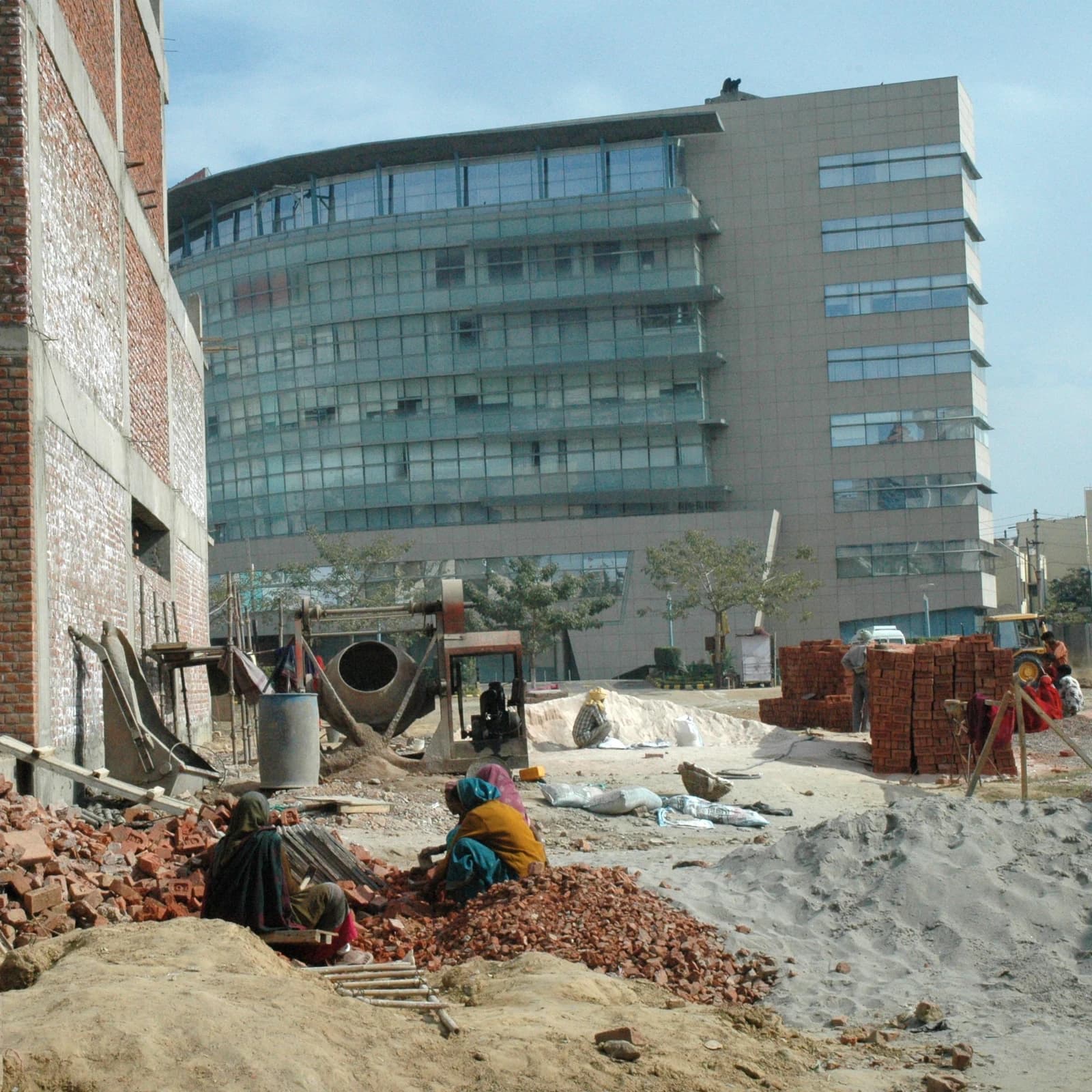
The quality of jobs is deteriorating as well. The report says 82% to 90% of employed Indians are self-employed or casual laborers, many without even minimum wages, particularly in agriculture and construction. Underemployment remains widespread, with laborers unable to find full-day work. Semi-unemployment stood at 7.5% in 2022. That kind of labor-market slack keeps incomes weak and makes it harder for households to move into more stable consumption patterns.
The industrial sector tells the same story. From 2000 to 2019, industrial output grew 7.5% annually, while employment rose only 1.7%. That suggests productivity gains and mechanization are outpacing job creation. For companies, that can mean better margins; for the broader economy, it means growth is becoming less labor-intensive and less inclusive.
The policy implication is clear: India needs to shift from growth-led job promises to job-led growth strategy. That means directing investment toward labor-intensive sectors, improving labor standards, expanding skills training, and narrowing the mismatch between education and employability. Without that shift, unemployment could remain high even if GDP stays strong — a combination that would keep pressure on wages, limit household demand and deepen inequality.
For investors, the message is mixed. Productivity-driven sectors and automation beneficiaries may continue to gain, but firms dependent on mass consumer demand, wage growth and a broad expansion of formal employment may face a slower payoff. The longer India’s growth remains disconnected from jobs, the more the employment problem becomes not just a labor-market issue, but a constraint on the country’s next phase of expansion.
| Entity | Gains | Losses |
|---|---|---|
| Capital-intensive companies | ▲Higher productivity, lower labor costs | ▼ |
| Young job seekers | ▲ | ▼Weak hiring, higher unemployment |
| Urban households | ▲ | ▼Slower income growth, limited consumption |
| Government policymakers | ▲Pressure to reform labor and skills policy | ▼Credibility of growth narrative |