India’s economy is expanding, but the World Bank says the region’s biggest challenge is no longer just growth — it is whether that growth can generate enough jobs as artificial intelligence and structural shifts reshape demand for labor.
India Jobs Growth in Focus as AI Expands
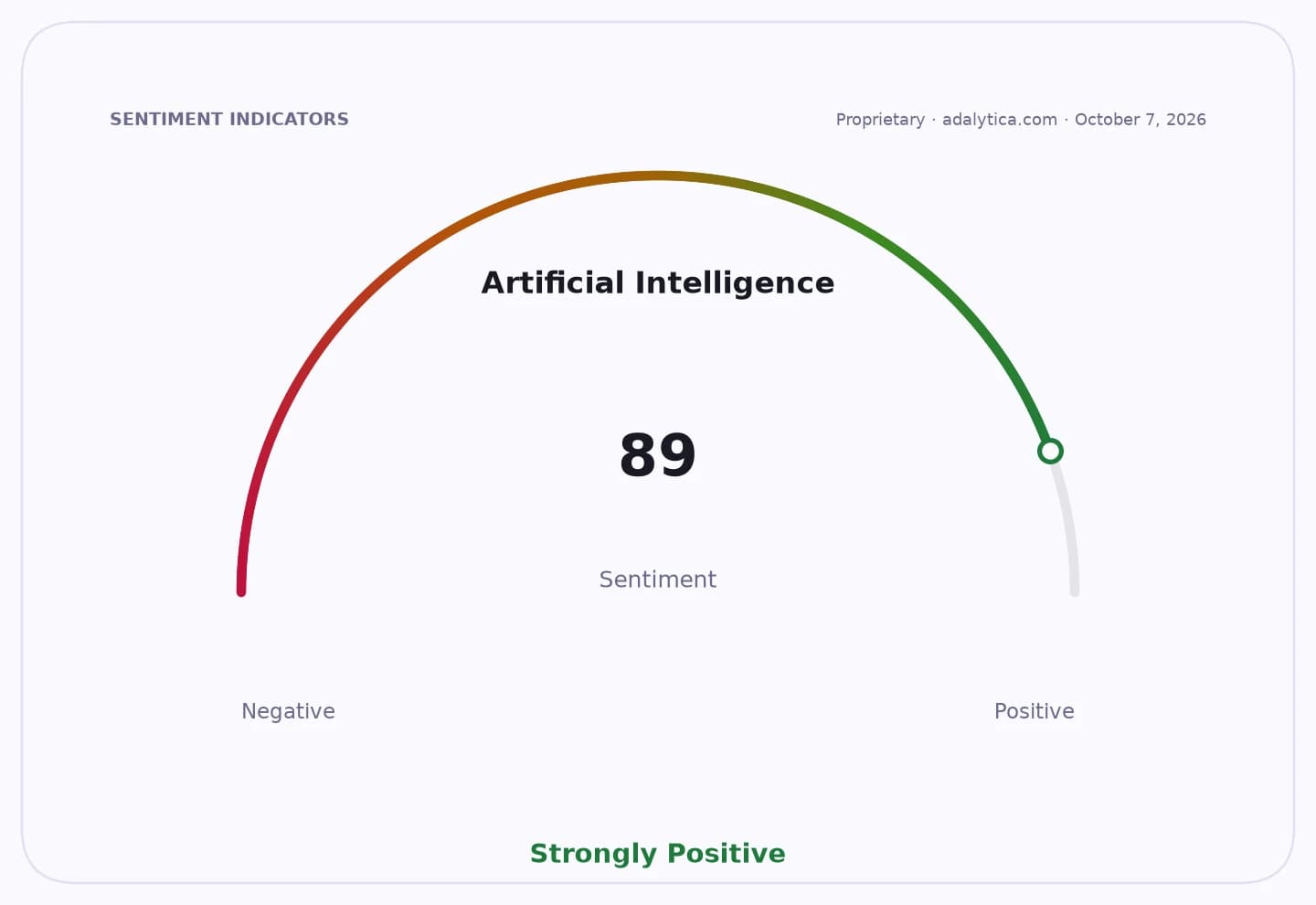
That is the central message from the lender’s October 2026 South Asia Economic Update, which highlights South Asia’s need to create more employment while sustaining momentum in a fast-changing global economy. The report comes as businesses accelerate investment in AI and automation, raising the stakes for countries such as India, where job creation has to keep pace with a young labor force.
The World Bank’s analysis underscores why the issue matters economically: if productivity gains from AI do not translate into broad-based hiring, the region risks stronger output growth without the employment absorption needed to support incomes, consumption and social stability. That is especially important in India, where policy makers have long leaned on services-led expansion even as manufacturing and formal private-sector job creation remain uneven.
The report also lands against a mixed macro backdrop. India’s unemployment rate was 4.2% in the latest reading and is forecast at 4.09% for the next period, suggesting labor conditions are not deteriorating sharply. But industrial production growth is projected to cool to 0.18% from 0.02% in the prior reading, while job openings — a gauge of labor demand — slipped to 7,079 in August from 7,335 in July and are seen easing further to 6,979.4.
For investors, the implications run beyond labor data. A slower or more uneven job recovery can cap consumer spending, pressure earnings in domestic-demand sectors and reinforce the case for policy reforms that make hiring easier and skills training faster. It also raises the bar for companies betting on AI: the technology can improve margins and productivity, but it may also deepen the divide between firms that need fewer workers and the broader economy that still needs more payroll growth.
The World Bank discussion with chief economist Franziska Ohnsorge and India economist Aurelien Kruse also points to a broader regional challenge, as South Asia navigates energy disruptions, demographic pressure and rapid AI adoption at the same time. That leaves the next policy test clear: whether governments can turn technology-led growth into a larger labor market before automation outpaces job creation.
| Entity | Gains | Losses |
|---|---|---|
| AI-heavy firms | ▲Higher productivity | ▼Labor-intensive cost structures |
| India’s tech hubs | ▲More specialized hiring | ▼Low-skill back-office roles |
| Consumers | ▲Better services, potential efficiency gains | ▼Slower wage-led demand growth |
| Policymakers | ▲Chance to reform skills and labor markets | ▼Pressure if jobs lag GDP growth |