Wage growth in India is lagging far behind headline GDP expansion, and that gap is now emerging as one of the clearest signs that the economy’s benefits are not filtering through to workers.
India wage growth lags GDP, Chidambaram says

P. Chidambaram’s blunt question — if growth is running at 6.5% to 7%, why are wages barely moving? — captures a broader economic concern that matters for demand, corporate profits and policy credibility. Rural wages rose just 0.7% last year, casual labour wages were negative, and regular salaried pay increased only 0.4%, underscoring that strong top-line growth is not translating into broad-based income gains.
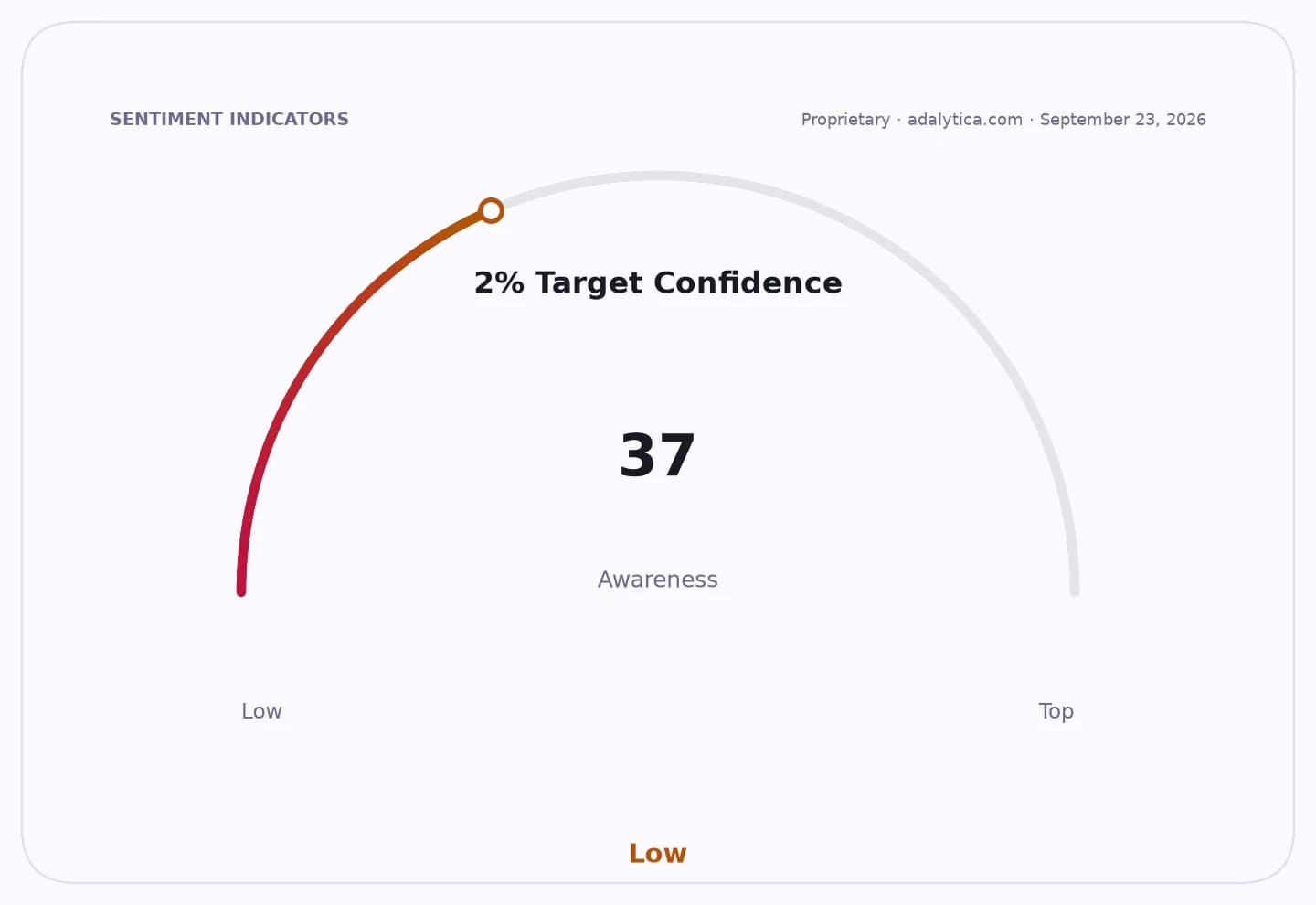
Sentiment IndicatorsⓘProprietary · adalytica.com · September 4, 2026
This is a snapshot — live sentiment, awareness and momentum for 130+ markets update continuously in the dashboard.Open AlphaPulse
The problem is not just distributional. Weak wage growth can hold back household consumption, especially in a country where lower-income spending drives a large share of demand for staples, discretionary goods and services. That makes the stagnation in pay economically important well beyond the labour market: it limits the pace at which growth can become self-sustaining and narrows the base of the expansion.
Chidambaram, a key architect of India’s 1991 liberalisation, argues the root cause is a lack of competition. He says sectors have become more concentrated, with telecom, cement, airlines, ports and petroleum increasingly resembling oligopolies, while the Competition Commission of India has “lost all its teeth.” In his view, reduced competition weakens the pressure on firms to raise wages, invest aggressively and pass productivity gains through to employees.
The critique lands at a time when private capital expenditure is still not responding to policy incentives in the way New Delhi had hoped. Chidambaram blames a mix of regulation, investigations, bureaucratic hurdles and what he calls crony capitalism, saying investors are deterred by the fear they could be pushed out one day. For markets, that is a direct warning: without stronger competition and clearer rules, corporate earnings may continue to be driven more by pricing power than by broad demand growth.
The stakes are especially high because India’s growth model depends on shifting from state-led expansion and cheap labour toward a more productive, investment-led economy. Yet the numbers cited in the interview suggest the labour share of that growth remains weak. If firms are capturing more of the gains while wages stay flat, the result is likely to be a widening income gap and a softer consumer backdrop than GDP headlines imply.
There is also a policy angle. Chidambaram’s remarks amount to a call for a more open economy, a stronger competition regime and less administrative centralisation. Whether or not the government accepts that diagnosis, investors will read the message the same way: India’s long-term growth story depends not only on reform slogans, but on whether competition, capital formation and labour incomes improve together.
For now, the divide between robust GDP growth and stagnant wages remains one of the clearest risks to India’s economic narrative. Until household incomes start rising in line with output, the country may continue to look stronger on paper than it feels on the ground.
| Entity | Gains | Losses |
|---|---|---|
| Large incumbent firms | ▲Pricing power | ▼Wage pressure |
| Consumers and workers | ▲None | ▼Real income growth |
| Private investors | ▲Market scale in select sectors | ▼Confidence in rules |
| Government | ▲Growth optics | ▼Reform credibility |